
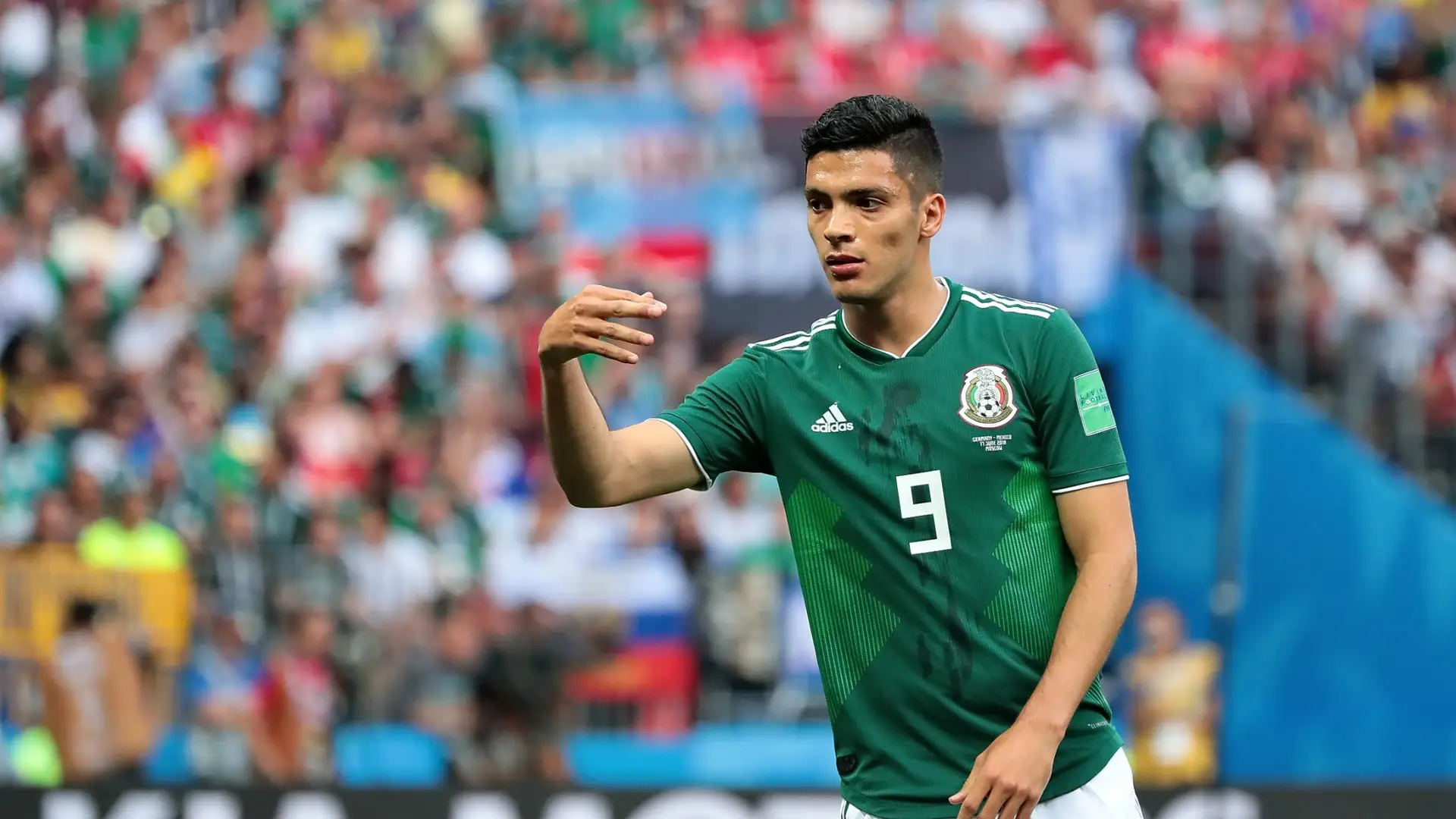
Mexico began the 2026 FIFA World Cup by doing what opening matches often deny their hosts. It made the occasion manageable. In the World Cup opener at Azteca, Javier Aguirre’s side beat South Africa 2-0 on Thursday, with Julián Quiñones scoring in the ninth minute and Raúl Jiménez adding the second in the 67th.
The setting carried its own historical weight. Estadio Azteca, known during the tournament as Mexico City Stadium, had already staged World Cup finals in 1970 and 1986. In 2026, it became the first venue to host matches across three men’s World Cups, a rare kind of continuity in a tournament that has expanded to 48 teams and 104 matches.
The opener also brought back a familiar fixture. Mexico and South Africa began the 2010 World Cup against each other in Johannesburg, drawing 1-1 after Siphiwe Tshabalala’s famous goal and Rafael Márquez’s equalizer. Sixteen years later, the same matchup opened a different tournament, in a different country, with a different balance of control.
Aguirre’s lineup made clear that this was not a nostalgia exercise. Guillermo Ochoa and Edson Álvarez started on the bench. Raúl Rangel was in goal, Erik Lira anchored midfield, and the attacking line gave Jiménez a fixed point ahead of Roberto Alvarado, Brian Gutiérrez, Álvaro Fidalgo, and Quiñones. South Africa set up in a back five, with Ronwen Williams in goal and Lyle Foster leading the line, but its structure was immediately under pressure.
Mexico turned one mistake into command
The first goal was a gift from South Africa, trying to play through midfield and losing control of the moment. Sphephelo Sithole was caught on the ball, Lira reacted, and Quiñones moved into the chance before finishing low past Williams. It was the first goal of the tournament, but more importantly for Mexico, it gave Aguirre’s team the right kind of match.
Mexico kept finding routes into the final third. Quiñones hit the post before halftime. Gutiérrez missed a late first-half chance after more good work from Quiñones. Williams kept South Africa close, but the half had already settled into a pattern: Mexico with the cleaner possession and the clearer chances, South Africa trying to survive long enough to turn one break into an equalizer.
That task became harder early in the second half. Sithole brought down Gutiérrez just outside the box as the Mexico midfielder pushed through toward goal. Referee Wilton Sampaio showed red for denying an obvious scoring opportunity, and South Africa were reduced to 10 men with most of the half still to play.
Mexico did not need to chase after that. It needed a second goal, and Jiménez supplied it. The move came down the right, where Alvarado had enough space to deliver. Jiménez met the cross with a header that beat Williams and gave Mexico the cushion its performance had been moving toward. It was his first World Cup goal and his 46th goal for Mexico, drawing him level with Jared Borgetti for second on the national team’s all-time scoring list.
The second goal also arrived just after another Mexican landmark. Seventeen-year-old Gilberto Mora entered in the 66th minute, becoming Mexico’s youngest World Cup player. His appearance gave the night a generational split: Jiménez, the veteran striker, finally getting his World Cup goal, and Mora, the teenager, entering the tournament at its opening stage.
The final minutes were a bit hectic. Themba Zwane was sent off after a VAR review for violent conduct, reducing South Africa to nine men. In stoppage time, César Montes was also dismissed for Mexico after bringing down Khuliso Mudau. The sequence made discipline part of the tournament’s first-day story and gave early relevance to the broader question of what can mean red at the 2026 World Cup.
For South Africa, the damage is clear. A return to the World Cup after missing the last three editions began with limited attacking output, a costly error in buildup, and two suspensions to manage. The expanded format gives teams more ways to recover, but the next match now carries more strain.
For Mexico, the opener offered a cleaner answer. It was not perfect. The first half should have produced more than one goal, and Montes’ late red card creates a selection problem. Still, Mexico handled the setting, controlled most of the game, and took three points from a match that could have become heavy under its own history.