

Football beyond the scoreline.
Stadio United is a football culture platform for fans who see the game as more than goals, transfers, tactics, and results.
We explore the world around football: the shirts, songs, stadiums, cities, rivalries, players, communities, and cultural moments that give the global game its meaning. Football is a sport, but it is also memory, identity, design, politics, music, fashion, movement, and place.
A match can be decided in ninety minutes. The culture around it lasts much longer.
That is the space Stadio United was created to explore.
Why Stadio United
The name reflects the mission.
“Stadio” nods to estadio, the Spanish word for stadium, and to the Latin American influence that runs through so much of world football culture. “United” speaks to the way football connects people across countries, languages, neighborhoods, generations, and identities.
Stadio United brings those worlds together.
While much of football media focuses on scores, transfer rumors, tactical debates, highlights, and reaction, we look for the cultural layers beneath the game. We are interested in why a shirt becomes iconic, why a stadium feels like home, why a rivalry carries history, why a chant stays with people, and why certain players come to represent something larger than themselves.
Our goal is to keep fans curious.
Curious about where the game comes from. Curious about who it represents. Curious about how football moves through music, fashion, media, design, politics, street culture, and everyday life. Curious about the stories that do not always lead the headlines, but often explain why the game matters.
The story behind Stadio United
Stadio United was co-created by Robert Baum and Luis Gerardo, two football minds with different backgrounds and a shared belief: the global game deserves to be covered with more depth, culture, and feeling.
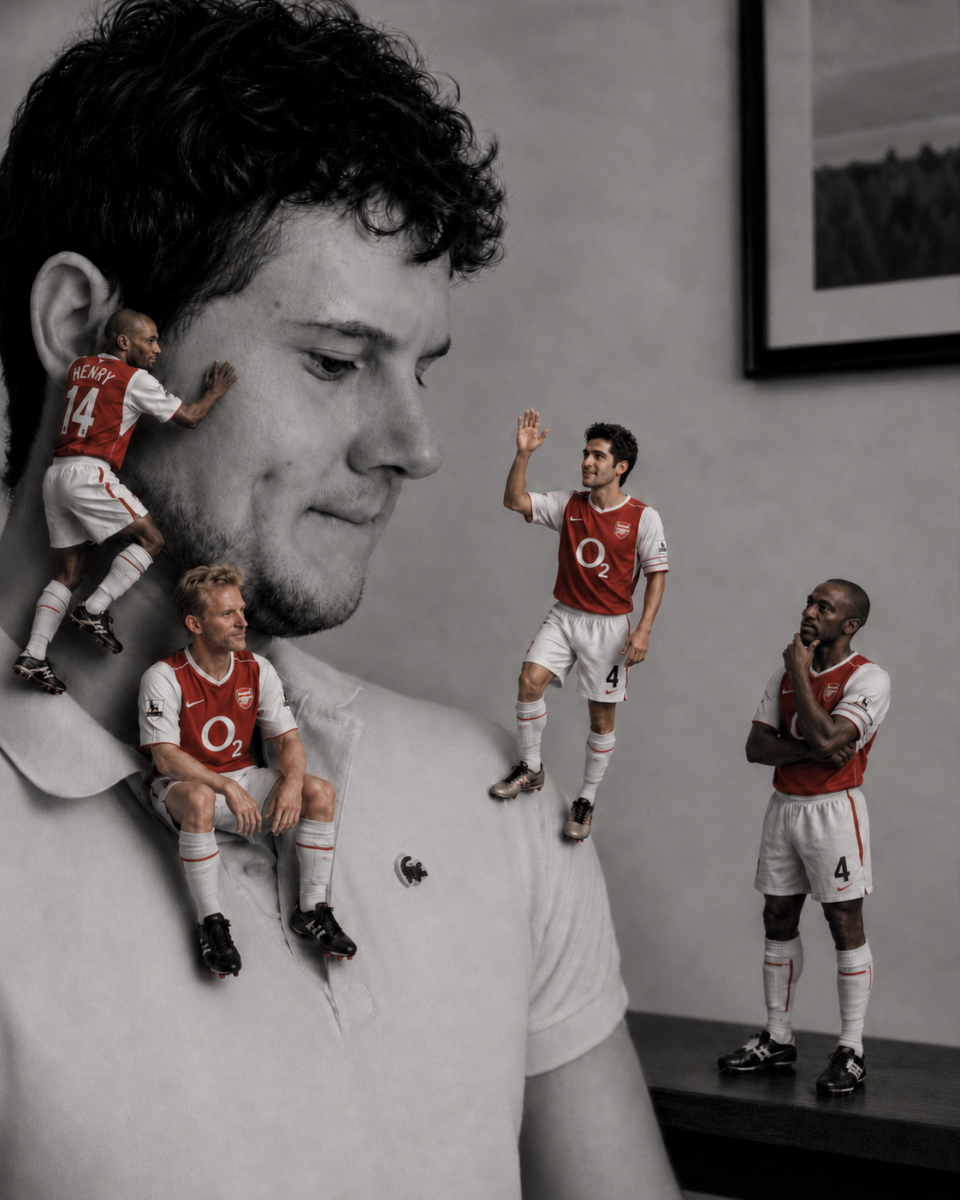
Robert Baum, Editor and Owner of Stadio United, grew up an Arsenal fan. One of his defining football memories came in 1999, when he attended an FA Cup match at Highbury between Arsenal and Sheffield United. Seeing future Invincibles up close gave the day weight. So did Highbury’s visceral atmosphere, the scarf he brought home, and the newspaper clippings he saved afterward. It gave him an early sense that football was more than the final score. It was memory, story, and culture.
Robert is also a football player and a crate digger, and both shape how he understands the space between the notes. Playing, as in prose, gives him an appreciation for disfluency: the pause before a run, the weight of a pass, the first touch that opens the next move, and the way a player begins to imagine the play before it unfolds.
Music collecting brings that same instinct to sound, from rare records and overlooked tracks to niche radio shows and unexpected influences. Together, those perspectives inform Stadio United’s storytelling, especially its visual work on Instagram Reels. The music is chosen with intention, the edits move with rhythm, and each post is designed to make football feel connected to culture rather than separate from it.
Luis Gerardo brings a different but equally important perspective. A former Division I soccer player at San Diego State, professional athlete, and proud Mexican-American, Luis understands football through discipline, competition, heritage, community, and lived experience.
His view of the game reflects what Stadio United stands for: football as something shaped by identity, sacrifice, pride, and place.
Together, Robert and Luis bring two ways of seeing football: the curator’s eye and the player’s instinct. One looks at the rhythm, stories, sounds, and visual culture around the game. The other understands the emotion, pressure, and reality of football from inside the lines.
Stadio United approaches football as play, culture, and art.
What we cover
Stadio United explores football through culture.
Our coverage moves across five connected areas: Culture, Stories, Style, Women’s Soccer, and World Cup. Together, they shape how we look at the game — not only as competition, but as something lived through memory, identity, design, community, and place.
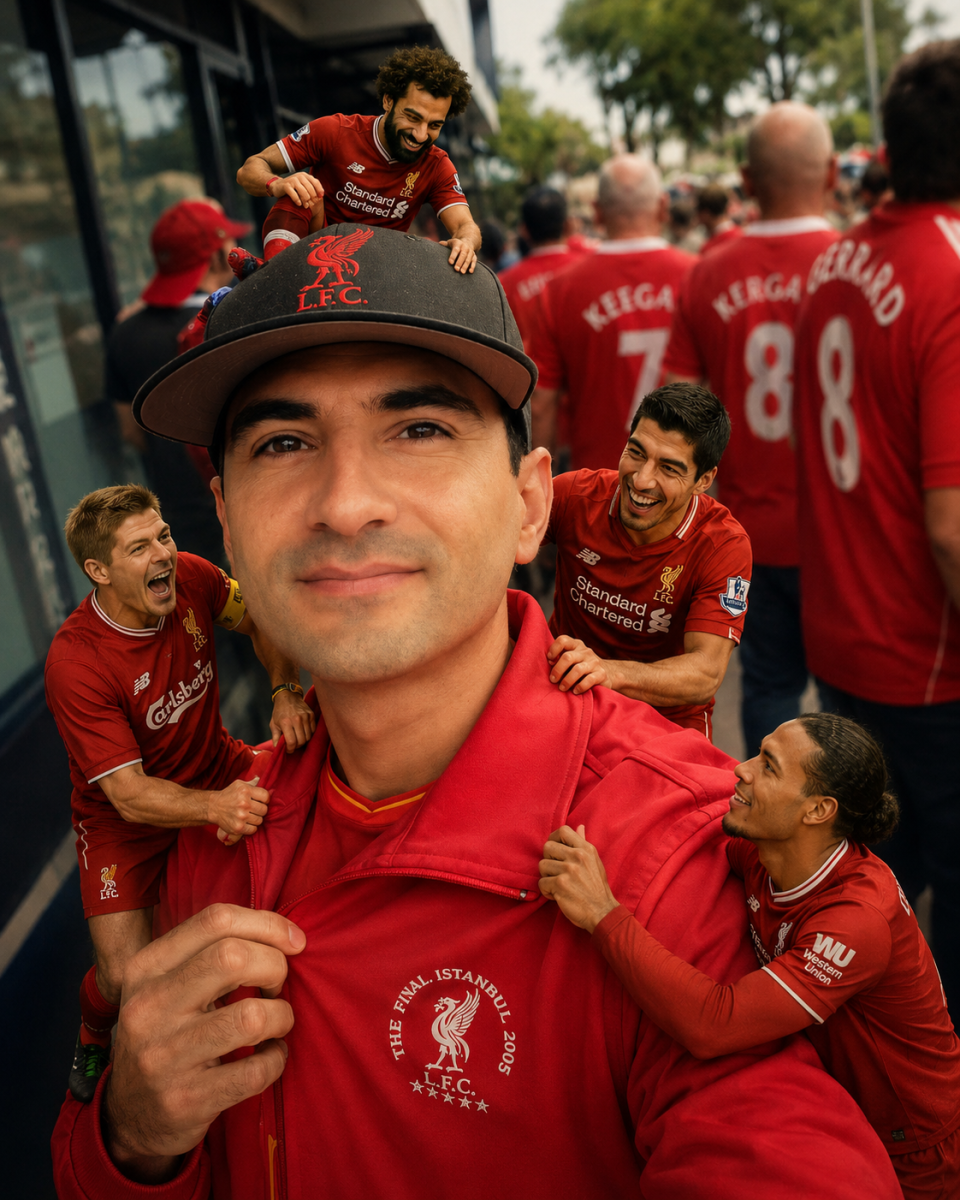
We cover historic matches, player stories, supporter culture, World Cup memories, women’s soccer, football fashion, kits, boots, crests, music, advertising, politics, street culture, and the cities that give clubs and national teams their character.
We pay close attention to football’s visual language: the shirts, colors, campaigns, silhouettes, badges, and design choices that turn clubs, players, and countries into cultural symbols.
We are also interested in how football travels through media: the ads fans remember, the songs that define tournaments, the images that become part of the game’s mythology, and the moments that make football feel connected to the wider world.
Women’s soccer is central to our coverage, not separate from it. We cover the players, clubs, communities, style, business, and cultural shifts shaping the women’s game around the world.
As the 2026 World Cup comes to North America, Stadio United is following more than the matches. We are looking at the cities, stadiums, fan spaces, neighborhoods, local scenes, and cultural moments that will shape how the tournament is experienced.
The result matters. But the world around the result often tells the deeper story.
Our editorial promise
Stadio United exists to cover football with curiosity, context, style, and respect.
We do not believe the game should be reduced to clickbait, recycled highlights, or empty arguments. Football has enough depth on its own. It deserves coverage that pays attention to where it comes from, how it feels, who it represents, and why it continues to matter across cultures.
We look for the moments when football carries something larger than the match itself — when a player, shirt, stadium, chant, city, advertisement, or national team reveals a deeper story about identity, memory, belonging, or place.
From North London to Latin America, from World Cup stadiums to local pitches, from classic shirts to underground beats, Stadio United follows the connections between football and the wider world.
This is football beyond the scoreline.
This is Stadio United.
Vamos.