Mexico City’s World Cup 2026 story begins at one of football’s most famous addresses, even if visitors will hear it by more than one name.
To FIFA, the venue is Mexico City Stadium. To many fans, it is still Estadio Azteca. Its current sponsored name is Estadio Banorte. All three point to the same place: the giant stadium in southern Mexico City that hosted World Cup finals in 1970 and 1986 and will make history again in 2026.
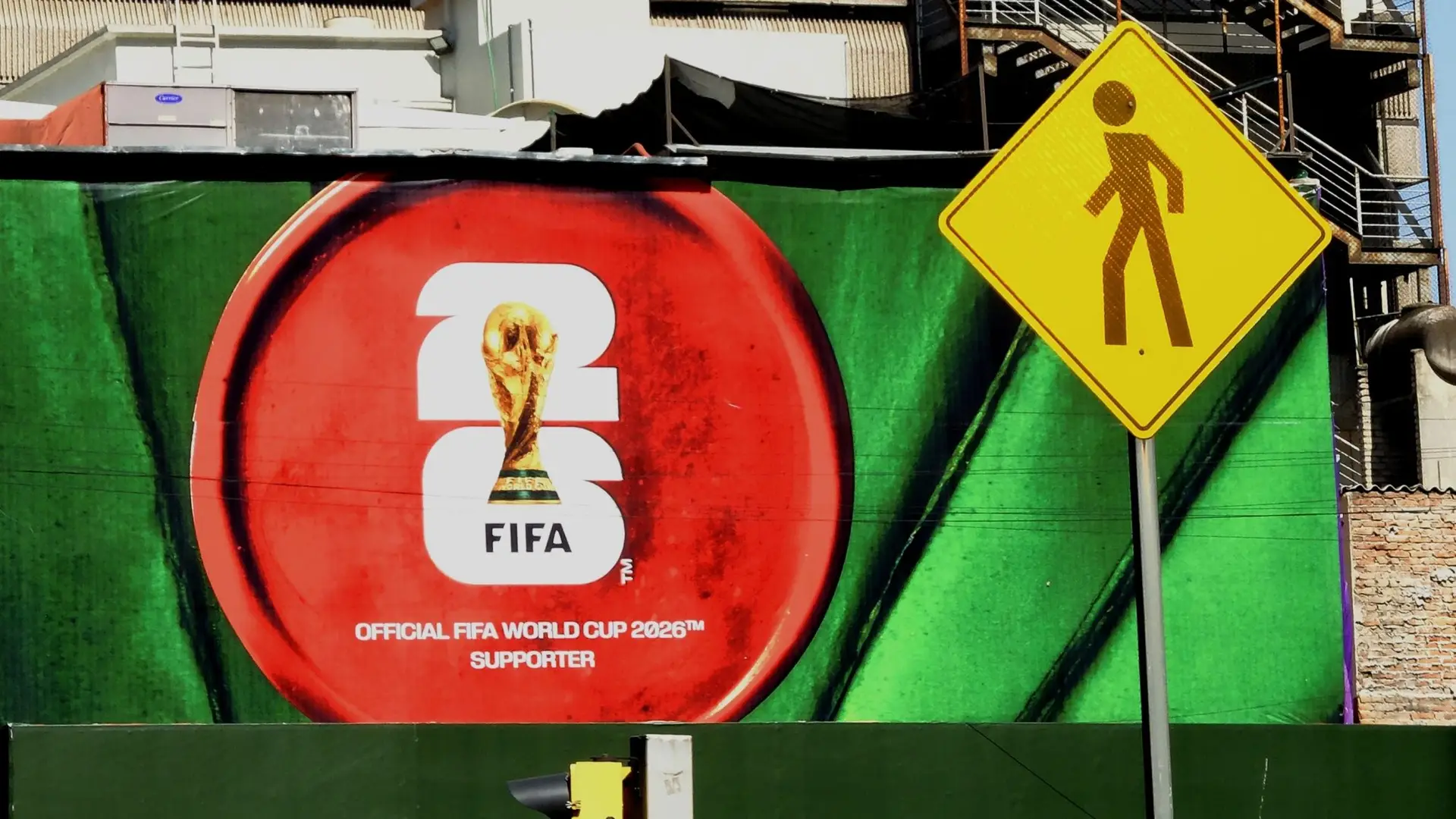
The tournament begins there on June 11, 2026, when Mexico plays South Africa in the opening match of the expanded FIFA World Cup. It is the first of 104 matches across 16 host cities in Mexico, the United States and Canada.
For Mexico City, the opening match is more than a kickoff. It is a return to a stadium that has already shaped World Cup memory. The old Azteca staged Pelé’s Brazil in 1970, Diego Maradona’s Argentina in 1986, and now a third men’s World Cup in 2026. No other stadium has carried that same World Cup legacy across three tournaments.
Mexico City World Cup 2026 match schedule
Mexico City will host five matches at Mexico City Stadium: three group-stage games, one Round of 32 match, and one Round of 16 match.
| Date | Match | Stage |
|---|---|---|
| June 11, 2026 | Mexico vs. South Africa | Group A |
| June 17, 2026 | Uzbekistan vs. Colombia | Group K |
| June 24, 2026 | Czechia vs. Mexico | Group A |
| June 30, 2026 | Group A winner vs. third-place qualifier | Round of 32 |
| July 5, 2026 | Winner Match 79 vs. Winner Match 80 | Round of 16 |
The opener will also include a major ceremony before kickoff. FIFA has announced a Mexico City celebration built around Mexican culture, Indigenous talent, modern folkloric performance and global music. The lineup includes Alejandro Fernández, Belinda, Danny Ocean, J Balvin, Lila Downs, Los Ángeles Azules, Maná and Tyla.
Why Estadio Azteca is the heart of this trip
A Mexico City World Cup trip is different from visiting a temporary event site. This is a city where the stadium already has decades of meaning.
Estadio Azteca opened in the 1960s and became one of the most recognizable football stadiums in the world. It has hosted World Cup finals, massive concerts, international friendlies, Club América matches and some of the sport’s most replayed moments. In 2026, it becomes a living bridge between three World Cup eras.
The Zócalo Fan Festival and 18 free football festivals
The biggest update is outside the stadium.
Mexico City’s official FIFA Fan Festival will take place at the Zócalo, the historic main square in Centro Histórico, from June 11 to July 19. That makes the Zócalo the central public gathering point for fans without tickets and for visitors who want to experience the tournament in the heart of the capital.
The citywide plan has also expanded. Mexico City officials have announced 18 free football festivals across the capital, with giant screens, cultural activities, sports programming and food events. Seven venues are expected to run throughout the full tournament and show all 104 matches, while the other 11 will focus on Mexico games and major World Cup moments.
Most visitors will spend more time outside the stadium than inside it. A ticket gets you one match. The fan festival network gives you places to watch other games, fill non-match days and experience the World Cup in different parts of the city.
The city has also said the football festivals will be free and alcohol-free. That makes the public viewing plan more family-oriented than a typical bar-first fan guide. It also means travelers should check venue rules before assuming they can bring or buy the same items they would at a private watch party.
Where to stay in Mexico City for the World Cup
Mexico City is enormous, and distances on a map can be misleading. Your best neighborhood depends on the kind of trip you want.
Roma and Condesa are strong choices for first-time visitors who want walkable streets, restaurants, cafés, bars and a relaxed base between match days. These neighborhoods are popular for a reason: they make the non-match hours feel easy.
Polanco makes sense for travelers who want a more upscale hotel base near major museums, Chapultepec Park and high-end dining. It is not the closest area to the stadium, but it works well for a short, polished city trip built around comfort and cultural stops.
Centro Histórico is the natural choice if the Zócalo Fan Festival is central to your itinerary. Staying near the historic center puts you close to the main public viewing site, the Metropolitan Cathedral, the National Palace area, Bellas Artes and many classic Mexico City landmarks.
Some fans will be tempted to stay near the stadium in southern Mexico City. That can reduce stress on match day, especially if you have tickets for multiple Mexico City matches. The tradeoff is that many restaurants, museums and nightlife areas are farther away, so the better choice depends on whether your trip is stadium-first or city-first.
How to get to Mexico City Stadium
Public transit should be the starting point for match-day planning. The stadium sits along Calzada de Tlalpan, and the nearby Estadio Azteca light rail station connects the area to the city’s southern transit network.
The practical route many visitors will use is Metro Line 2 to Tasqueña, then the Tren Ligero toward the stadium area. On crowded match days, this will likely be more reliable than trying to outsmart traffic in a car.
Buy and load a Tarjeta de Movilidad Integrada, the city’s integrated transit card, before match day. It is used across multiple public transportation systems and helps reduce small logistical problems when the city is busy.
Mexico City has also described broader World Cup mobility work, including improvements tied to public transport and access around the stadium area. Still, match-day traffic, road closures and crowd-control routes may change by game. Leave extra time and follow official instructions near the stadium.
Weather, altitude and practical packing
Mexico City sits high above sea level, at roughly 7,350 feet, or 2,240 meters. Visitors arriving from sea level may notice the altitude when climbing stairs, walking long distances, drinking alcohol or rushing to transit.
The tournament also falls during Mexico City’s summer rainy season. That does not usually mean every day is a washout, but afternoon or evening storms can disrupt walking plans, outdoor screenings, and airport timing.
Pack light layers, sun protection, a compact rain shell and shoes that can handle wet sidewalks. The less glamorous advice may be the most useful: stay hydrated, plan slower first days and do not schedule your tightest museum-to-match transfer on the day you land.
Safety and match-day awareness
Mexico City is a major global capital, and World Cup crowds will make common big-city precautions even more important.
Most visitors stay safe by sticking to busy areas, keeping valuables secure in crowds, avoiding unnecessary late-night risks and being alert on public transportation. Pickpocketing can happen in crowded stations, buses, plazas and fan zones, especially when people are distracted by match-day excitement.
For World Cup travel, the right mindset is awareness, not fear. Keep your phone secure near transit doors, use reputable transport options late at night, avoid flashing cash or expensive gear, and follow official routes around stadiums and fan zones.
The best way to plan a Mexico City World Cup trip
A strong Mexico City World Cup itinerary should feel like a city trip with match anchors, not a stadium commute with spare time around it.
Start with the confirmed pillars: Mexico vs. South Africa on June 11, five matches at Mexico City Stadium, the Zócalo FIFA Fan Festival, and the 18 free football festivals across the capital. Then build your trip around the neighborhoods that fit your style.
Stay in Centro Histórico if the Zócalo is your priority. Choose Roma or Condesa if food, cafés and walkability matter most. Pick Polanco if comfort, museums and a more polished hotel base are the focus. Consider the stadium area only if your schedule is heavily built around matches in the south.
The smart guide to Mexico City in 2026 is not just about getting into the stadium. It is about knowing why this stadium matters, where the city will gather and how to leave enough room for the kind of details that always arrive late: final fan-zone schedules, security rules, road closures, transit adjustments and match-day entry procedures.
Mexico City does not need the World Cup to become a football city. It already is one. The 2026 tournament simply gives visitors a rare chance to see that culture at its largest scale, from the old Azteca to the Zócalo, from local borough festivals to the opening whistle of the biggest World Cup ever staged.