Tournaments have a way of producing, after enough games, an honest account of themselves. Week two of the 2026 World Cup did this faster than expected, and through more eccentric material than usual.
Start with the ducks. Merlin, a domesticated duck in a Mexico shirt, attended a presidential press conference alongside Claudia Sheinbaum. Dawn, a Providence duck in Scotland colors, marched before Scotland’s match against Morocco. FIFA has official mascots; the tournament decided it also needed unofficial ones, sourced from pet owners rather than brand managers. The details that resist the brochure are always more revealing than the ones inside it.
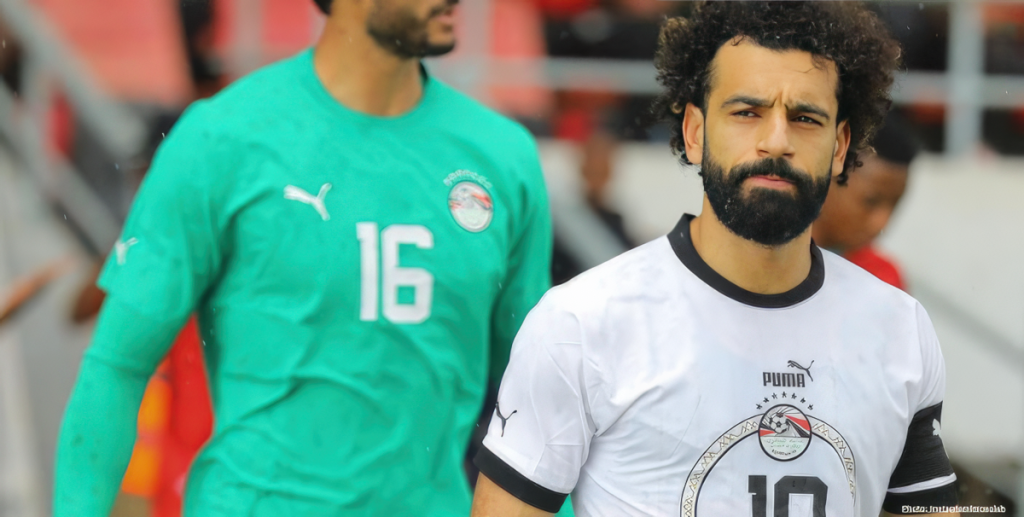
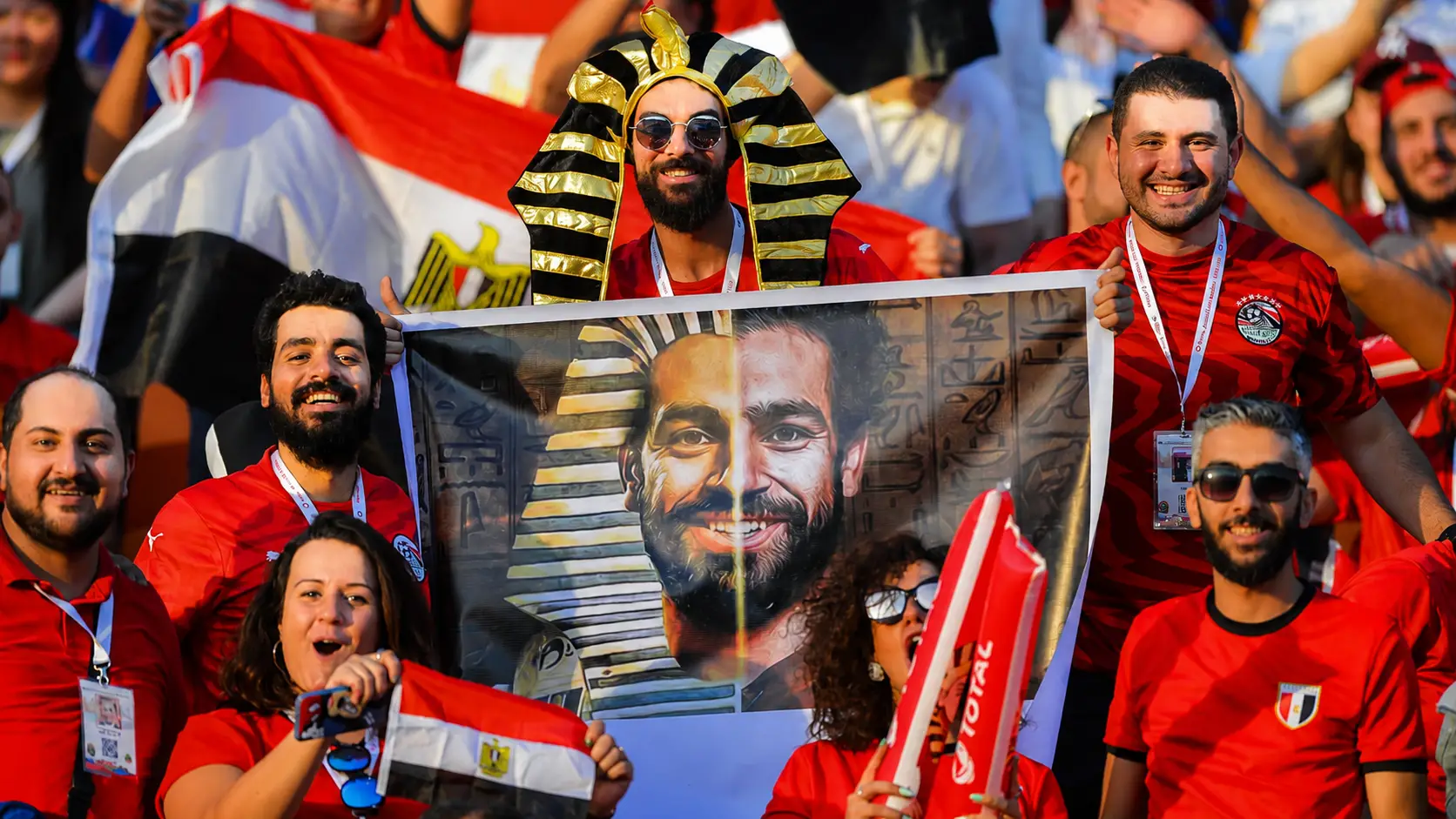
The brochure version of the 48-team World Cup says this: more nations, more games, more history. That is true. Canada recorded its first win. Egypt beat New Zealand 3-1, the country’s first World Cup victory, with Mohamed Salah scoring and assisting, doing the two things he still does better than almost anyone. Qatar, Curaçao, Cape Verde, DR Congo each added first points to tournament résumés that had none. The expansion’s moral logic arrived right on schedule.
The honest version is stranger. Seven own goals in ten days. The 2018 record for a full tournament was 12. This one is moving toward it with a fortnight to play. Low crosses into the box, defenders sprinting toward their own goal, attackers with pace that international football at this level didn’t previously create in such volume. These are outcomes of a competition that has been stretched, deliberately, across a wider ability spectrum. Someone is going to score in every match. It isn’t always the team that attacked.
Then there is Turkey. Sixty-two shots across two games. Zero goals. They were present in both matches in the territorial sense. They were absent from both matches in the decisive sense. This is a distinction the scoreline makes for you, if the game won’t.
The pink boots are the tournament’s most accidental essay on markets. Five manufacturers, Nike, Adidas, Puma, New Balance, Skechers, each chose pink because pink registers sharply on broadcast cameras and broadcast exposure is what the boot business runs on. The individual decision was rational. The collective result, visible in wide-angle stadium shots, was homogeneity so complete it looked like a dress code. Brand differentiation, pursued by everyone simultaneously, dissolved into its opposite.
What emerges from all of it, the ducks, the own goals, the Egypt breakthrough, the sixty-two Turkish shots that went nowhere, the pink-saturated field, is a tournament large enough to contain several arguments about itself at once. It is a genuine expansion of football’s map and an amplifier of football’s stranger tendencies. The two things aren’t in contradiction.
The World Cup does this when there are enough games to work with. It stops performing and starts telling you what it is.