Through the United States’ 2-0 win over Australia, seven own goals have already changed the shape of the 2026 World Cup. Damián Bobadilla, Miro Muheim, Mohamed Hany, Aymen Hussein, Yazan Al-Arab, Mohammad Manai and Cameron Burgess have each been credited with one. The tournament is already more than halfway to the World Cup record of 12, set in Russia in 2018, before the group stage has finished.
Expansion is part of the math. FIFA’s 48-team tournament has 104 matches, 40 more than Qatar 2022. That gives the record more runway. The early pattern, though, points beyond volume. Most of these goals have come from balls driven across the face of goal, into the body of a defense, or into the cramped space where a defender has to make a decision while facing his own net.
The seventh entry came in Seattle. Folarin Balogun accelerated down the left and sent a low ball toward Ricardo Pepi. Burgess, recovering inside the six-yard box, redirected it into Australia’s goal in the 11th minute. Alex Freeman added the second goal in the 43rd minute, and the United States reached the Round of 32 with one group match still to play without Christian Pulisic.
The play gave the United States its second own-goal opener in as many matches. Against Paraguay, Bobadilla’s seventh-minute own goal turned American pressure into a 1-0 lead on the way to a 4-1 win. Against Australia, Burgess’ touch did the same. In both cases, the final touch belonged to the defender, but the move began with an attacker forcing a hurried intervention in front of goal.
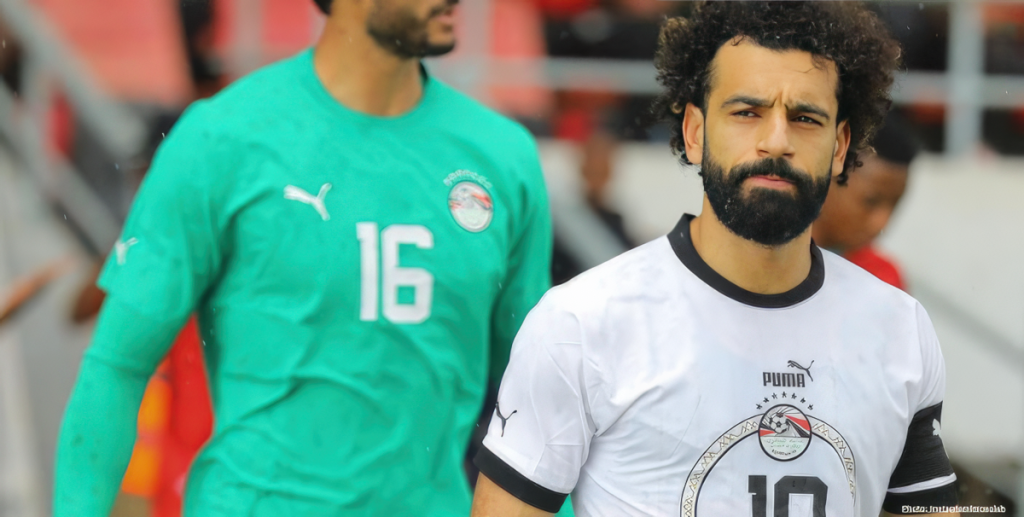
Muheim’s own goal for Switzerland arrived in a different state of the match, but from the same kind of stress. Qatar was deep into stoppage time, chasing its first point, when a cross put Boualem Khoukhi near Muheim and the defender headed the ball into his own net. Belgium’s equalizer against Egypt came at ground level, with a ball toward Romelu Lukaku redirected by Hany shortly after Lukaku entered the match.
How pressure becomes a scorer
The later entries broaden the pattern. Hussein had already scored Iraq’s equalizer before his own goal at 90+6 completed Norway’s 4-1 win. Al-Arab’s 76th-minute own goal restored Austria’s lead against Jordan after a video review had taken away an Austrian goal. Manai’s 75th-minute deflection came in Canada’s 6-0 win over nine-man Qatar, a match led by Jonathan David’s hat trick and Canada’s first World Cup victory.
The official credit goes to the defender, but the cause often starts with the attacker. The United States has now supplied the clearest example twice: a runner beats the first line, the ball enters the corridor between goalkeeper and retreating defender, and the defender has to choose between letting it reach a striker or risking the touch himself. At this World Cup, the touch has kept going in.
History keeps the category from becoming comic. Andrés Escobar’s World Cup own goal in 1994 remains the sport’s most painful reminder that an own goal is not just a line in a match report. Russia 2018 turned the category into a record at 12. The 2026 tournament is now testing whether that mark was an outlier or an early version of where World Cup attacking pressure was headed.
The record may not fall. Knockout games can compress, teams adjust, and early tournament pace rarely travels in a straight line. Seven is already enough to alter the accounting of this World Cup. These goals have changed points, settled margins and opened matches. Some goals begin as shots. Some begin as passes a defender cannot leave. This tournament has made that difference measurable.