At a World Cup already shaped by World Cup tickets and the scale of a 48-team tournament, Tim Payne’s story began with a smaller number: 4,715. That was the reported size of the New Zealand defender’s Instagram following before Argentine creator Valen Scarsini, known as El Scarso, chose him as the player with the smallest social-media profile in the field.
Within days, the number had changed beyond the normal logic of tournament buildup. Payne had reached 4.2 million followers in less than a week. The account now sits at 5.4 million, above New Zealand’s provisional resident population of 5,361,300 as of March 31, 2026.
The simple version is novelty. A defender with fewer than 5,000 followers ended up with a larger Instagram audience than New Zealand has residents. But that version misses the useful detail. Payne was not selected because he was the antithesis of celebrity, a professional footballer whose online profile was embarrassingly measurable.
Payne is 32, a Wellington Phoenix fullback and an All Whites regular who helped New Zealand qualify for the 2026 World Cup. He signed a three-year extension with the Phoenix in December 2024, tying him to the club through 2027-28. He sits way outside the usual frame of players to watch at World Cup 2026, because his value in this story was almost the inverse of star power.m
A profile built from absence
Scarsini’s choice turned a profile metric into a public storyline. Soccer usually turns numbers into meaning through goals, caps, expected goals, transfer fees and minutes played. Here, the number was sheer visibility itself. Payne’s follower count was low enough to move quickly and public enough to make the movement itself part of the story.
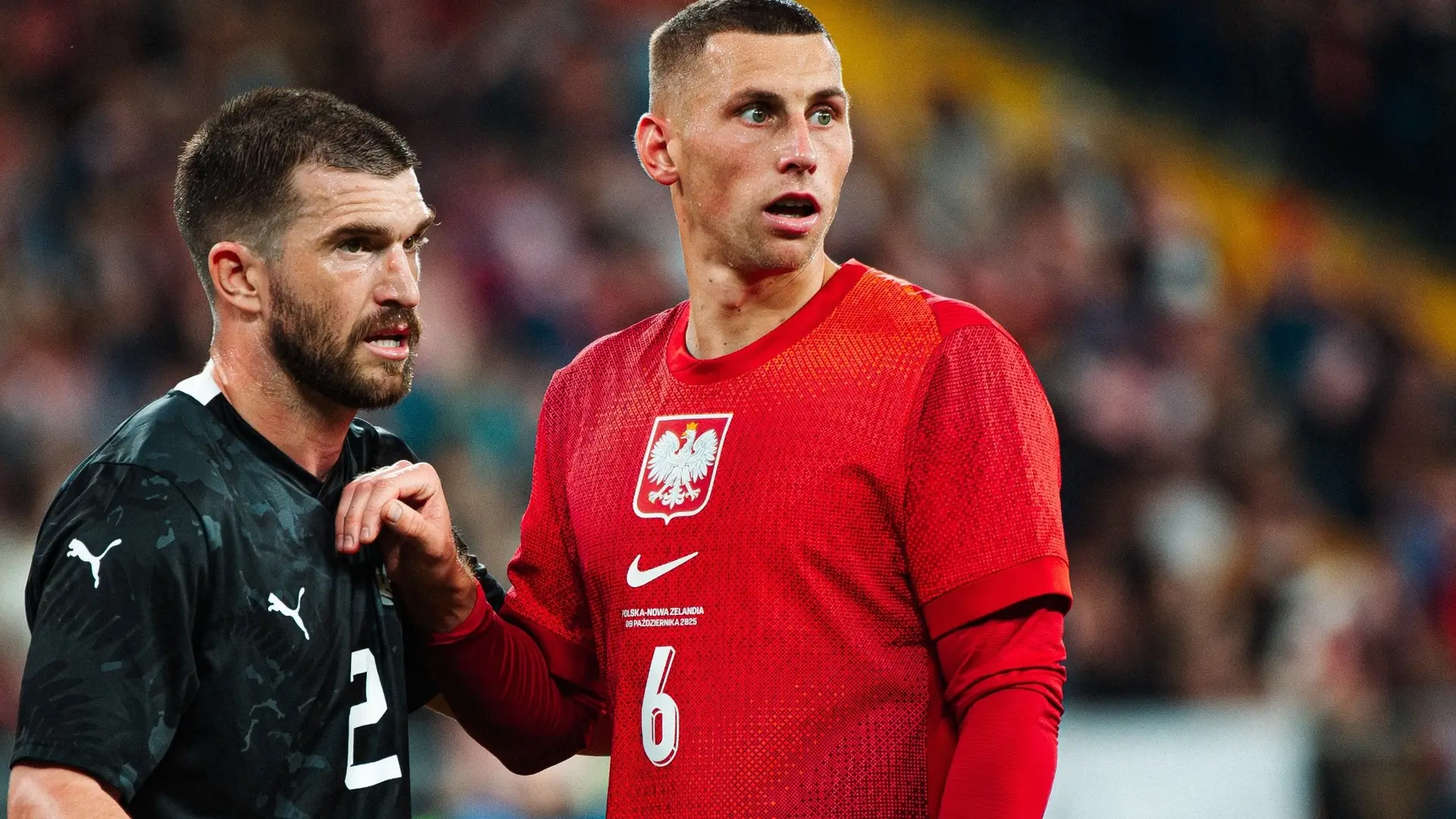
The online number then became an in-person scene. Scarsini traveled to Florida for New Zealand’s friendly against Haiti, a 4-0 loss in Fort Lauderdale on June 2, and met Payne the next morning at the team hotel in Boca Raton. Payne gave him a signed No. 2 All Whites jersey.
Payne’s response has been restrained. The surge placed him inside a media story he had not designed, just before a World Cup opener. His answer was plain. “I don’t change. I’m still the person I am.” New Zealand opens Group G against Iran on June 15 in Inglewood, with Egypt and Belgium still to come.
The tournament setting matters. The 2026 World Cup is the first men’s edition with 48 teams and three host countries, and its scale will create more entrances into the story than match results alone. Some will be tactical. Some will be commercial. Payne’s was numerical. Before New Zealand had played a group game, one of its players had become a case study in how tournament attention can attach to a measurable absence.
The story is not simply an influencer manufacturing a star. That phrasing gives too much weight to spectacle and too little to structure. Payne’s rise worked because the mechanism was simple: a small number, a real World Cup player, a global event and a visible scoreboard. In a tournament built around nations, sponsors and stars, his account became a reminder that attention does not only follow fame. Sometimes it begins where fame is missing.