FIFA has spent months presenting 2026 World Cup tickets as premium inventory, the kind released in stages and priced as if hesitation will cost you. The picture around the United States’ opener against Paraguay points to a different problem. This does not look like a match suffering from lack of profile. It looks like a match carrying a price the market has not fully accepted.
According to reporting from The Athletic, a document dated April 10 and circulated to Los Angeles organizers showed 40,934 tickets purchased for the June 12 meeting between the U.S. and Paraguay. The same document showed 50,661 purchased for Iran vs. New Zealand at SoFi Stadium three days later. FIFA lists the venue’s World Cup capacity at 69,650. The organization later disputed the document’s usefulness as a snapshot of true sales, but the comparison still sharpens the question hanging over its World Cup ticket sales model.
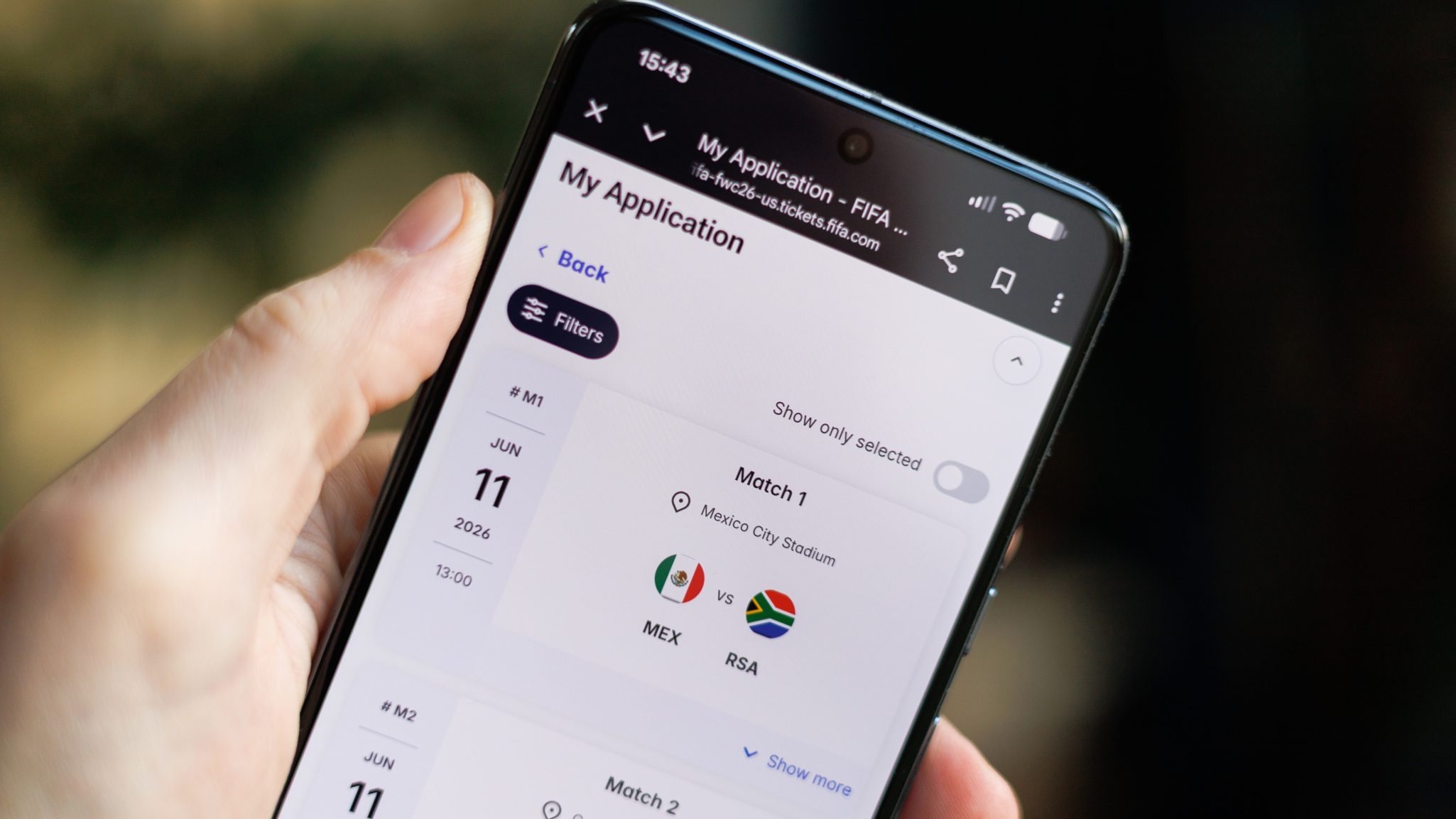
The pricing makes the shortfall harder to shrug off. When the match first went on sale in October, U.S.-Paraguay was priced as the third-most expensive fixture in the tournament, behind only the final and one semifinal. FIFA has kept the three main categories for the opener at $2,730, $1,940, and $1,120. It has raised prices for many other matches, often by hundreds of dollars, but not for this one. U.S.-Paraguay is also the only opener involving one of the three co-hosts that had not seen a price increase over the previous six months. Mexico’s opener against South Africa moved the other way, with the Category 1 price rising from $1,825 in October to $2,985.
The inventory movement tells the same story. From April 9 to April 19, first-come, first-served availability for the opener fell from 2,529 tickets to 2,232. Some seats may have been added during that stretch, but the broader picture remained unchanged. Inventory was moving slowly for a match FIFA had priced as one of the tournament’s premium dates.
The secondary market is even harder to ignore. Members of a U.S. Soccer supporters group received an email advertising an “additional opportunity” to “access a limited number of tickets for the U.S. men’s national team’s opening match.” The seats were available in the same three main categories already listed on FIFA’s website, with a 10 percent processing fee on top. At the same time, FIFA’s official resale marketplace held more than 4,000 tickets for the opener, and at least 19 sections were listed below the primary-market price. StubHub showed 377 listings, with 10 below face value even after taxes and fees.
When scarcity stops feeling scarce
FIFA’s defense is not complicated. Gianni Infantino said the organization had “sold around 5 million” of the roughly 6.7 million tickets expected to be available and added, “We could have” sold all tickets, but “we want to keep a few for continuous sale until the start of the tournament to give opportunities to latecomers.” On its own, that is a reasonable distribution strategy. In practice, it also means scarcity is being managed, not simply discovered by demand.
However, the opener keeps showing signs of slack. On one Sunday snapshot, only nine matches on FIFA’s portal showed more than 100 tickets available, even though many of the other 95 had not sold out either. FIFA appears to be betting that controlled releases and late urgency will still carry these games across the line. The U.S. opener is one of the clearest tests of whether that approach still works once buyers have seen the price and decided to wait.
Los Angeles adds its own complications, but not enough to obscure the main issue. The April 10 breakdown divided buyers into local, non-local domestic, and international categories. For U.S.-Paraguay, only 8,487 of the nearly 41,000 buyers were local. Iran vs. New Zealand drew 17,080 local buyers. Southern California’s diaspora communities help explain part of that gap. Price explains plenty of it too. Iran-New Zealand was sold in the same three main categories for $450, $380, and $140, a fraction of what FIFA was asking for the U.S. opener.
This is where the recent Club World Cup becomes a useful point of reference. As that tournament approached, FIFA backed away from some of its early prices, though not quickly enough to prevent large empty sections at many matches. The World Cup opener is a much stronger property, and it will draw better. The market lesson is still familiar. If the initial ask overshoots what buyers are willing to pay, a prestige event can still end up negotiating with its own price tag.
This does not mean the 2026 World Cup has a broad demand problem in the United States. It means this particular match has exposed the limits of FIFA’s ticket logic. The organization can keep releasing inventory in waves and keep speaking in the language of exclusivity. What it cannot fully hide is the difference between a scarce event and an expensive one. For the U.S. opener against Paraguay, that difference is now the story.