
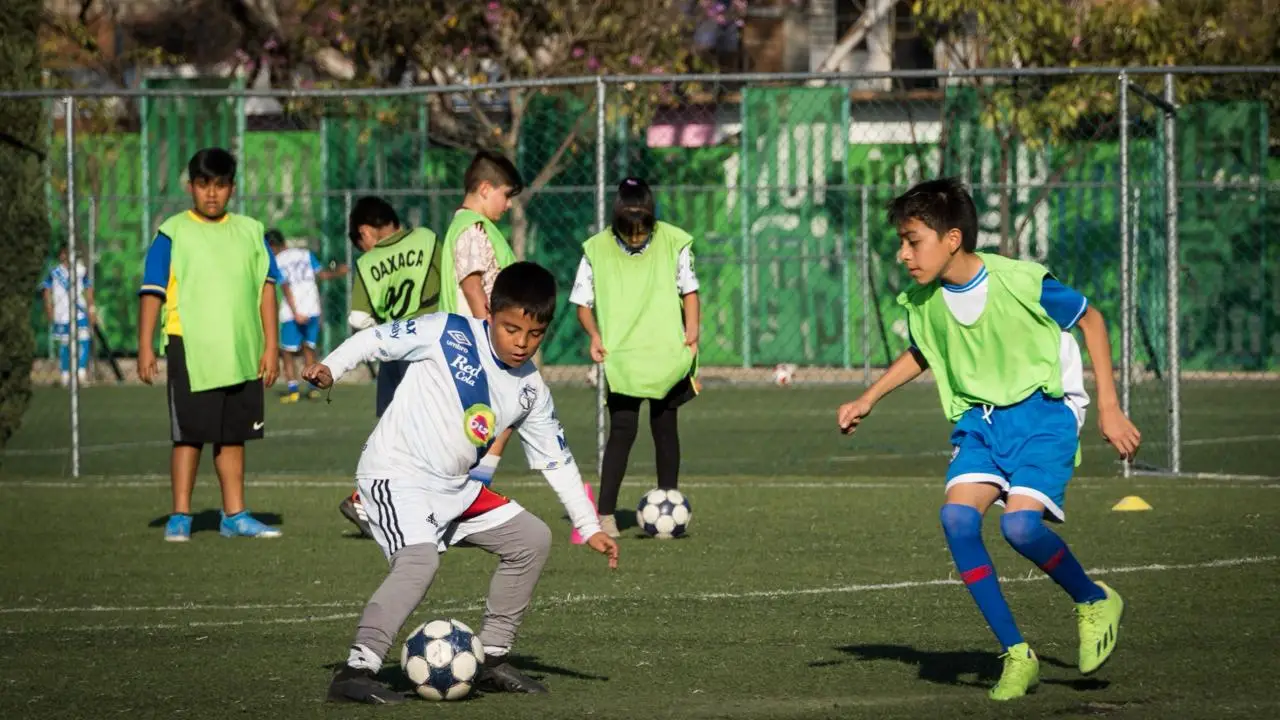
Mexico City has put a round number on the physical legacy of the 2026 World Cup: 500. The city says it built or rehabilitated that many community football facilities. The claim extends Mexico City’s World Cup 2026 story beyond the five matches played at Mexico City Stadium.
Officials present 500 as both the program target and the completed total. Yet the public still lacks one reconciled construction ledger. The December 17, 2025 plan split responsibility between city and borough governments. The central government took 300 projects, while the 16 boroughs took another 200.
What the 500 facilities include
The central package offered the clearest breakdown. It covered 60 new facilities and 240 rehabilitations across 232 neighborhoods. The list included 50 eleven-a-side pitches and 46 seven-a-side pitches. It also included 122 fútbol rápido courts and 82 multiuse courts. Those categories total 300. They also show why 500 does not mean 500 regulation-size football fields. The borough package lacked an equally detailed public inventory.
By March, officials had raised the central-government total to 316 without explaining the extra 16. The city originally aimed to finish the first 300 by February 28. On March 18, however, officials reported only 13 formal openings. They said more than 200 other sites were physically ready and awaiting inauguration. Completion, opening and public booking remain three different milestones.
The city strengthened its message as the tournament approached and after it ended. It said workers had built or completely renewed all 500 facilities. FIFA repeated the figure in a July 30 legacy feature. On May 12, Clara Brugada described 316 central projects plus the borough contribution as more than 500. She also said she did not know the exact sum. No consolidated roster yet reconciles the changing central count, borough total and final claim.
The financial record remains incomplete
Mexico City’s World Cup transparency platform lists MXN 472,480,806 for football-pitch rehabilitation. That equals about $27 million at the Bank of Mexico’s July 30 FIX exchange rate. The Secretariat of Works and Services reported the figure. The portal calls it preliminary as of May 31. It does not identify the amount as the complete cost of the two-tier program. Borough spending, maintenance and programming may appear elsewhere.
Individual projects show that the program produced tangible work. At San Lucas Xochimanca, the Pioneras del 71 project added several facilities. They included an eleven-a-side pitch, a fútbol rápido court, lighting, fencing and murals. Other park improvements accompanied the sports work. The name honors the women who represented Mexico in the 1971 women’s championship. That tournament preceded the FIFA Women’s World Cup.
The legacy begins with access
The next test is operational. The city has promised free access, while the new Secretariat for Sport will organize schedules and leagues. Officials have not clearly divided responsibility between that department and borough authorities. Free access also requires published booking rules and useful operating hours. The city must also prevent one league or commercial group from controlling the best slots.
The pitch program joined the World Cup 2026 fan festivals in moving the tournament beyond stadium turnstiles. A festival ends, but a neighborhood field creates permanent obligations. It needs maintenance, electricity, surface repairs and fair scheduling. The city has not published systemwide data on usage, repairs or accessibility. It also lacks public figures for hours allocated to women, girls and disabled players.
Mexico City may have delivered a substantial community-sports program. The documents confirm the plan, changing central count and several completed sites. They do not yet confirm a fully audited 500-site inventory. Residents will provide the most important measure of durability. They must be able to find each facility, use it freely and return to a safe pitch. That standard will matter after the World Cup branding disappears.