On June 12, I walked into SoFi Stadium for the first match of what became a 15-game World Cup journey. The United States beat Paraguay 4-1 that night. Thirty-seven days later, I was at MetLife Stadium when Spain won the trophy. Between those two games, I moved through seven host cities, two penalty shootouts and every stage from group play to the final.
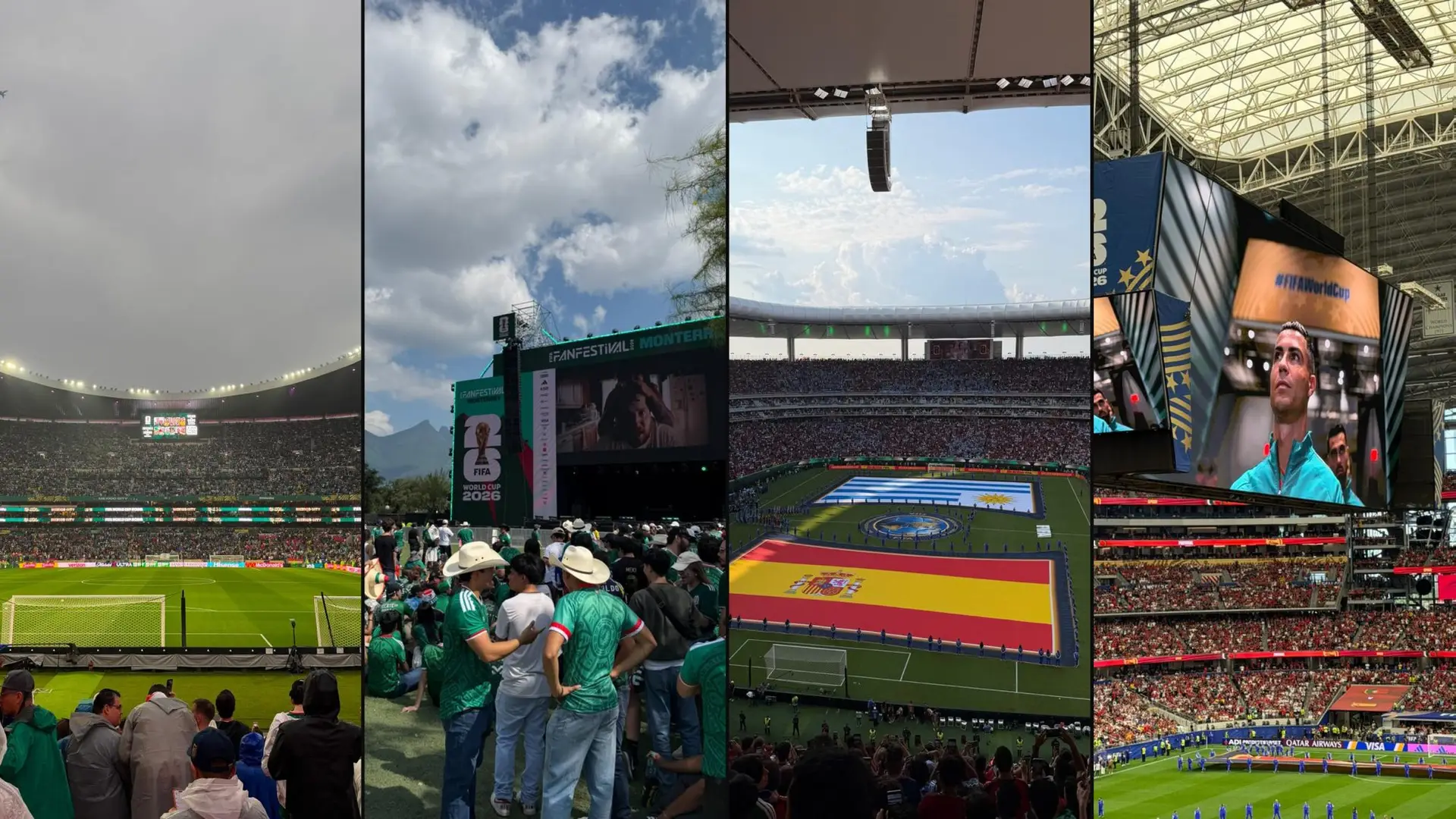
I made the trip for this one of a kind football-culture publication, Stadio United. At each stop, I shared Instagram posts documenting stadium approaches, supporter clothing, flags, interviews, ceremonies and the view from our seats. Together, those posts trace the journey from the United States opener at SoFi Stadium to Spain’s trophy lift at MetLife Stadium.
Monterrey came next. Japan beat Tunisia 4-0 at Estadio BBVA, and South Africa beat South Korea 1-0 in the same stadium four days later. The schedule then returned me to Inglewood for Turkey’s 3-2 win over the United States. Around that match, Maya the intern interviewed USMNT fans, briefly turning the trip over to someone else’s matchday.
Spain entered my itinerary in Guadalajara with a 1-0 win over Uruguay. It was match five, after I had already seen the United States win and lose, Japan score four and South Africa take a one-goal victory. It became the first of six Spain matches on my route.
The matchday changed with every city
Tunisia against Japan was identified by Monterrey’s host-city account as the 1,000th match in men’s World Cup history. For me, it was the first stop outside Inglewood. Four days later, I returned to the same stadium for South Africa against South Korea. The building stayed put. Almost everything inside the frame changed.
The route kept doubling back through familiar venues. Estadio BBVA later hosted Morocco’s penalty-shootout victory over the Netherlands. SoFi held the United States opener, its loss to Turkey, Spain’s round-of-32 win over Austria and the quarterfinal against Belgium. A return visit never produced the same picture twice.
At the Azteca, Mexico beat Ecuador 2-0 in the round of 32. The video looks toward the goal through the tiers and colors between our position and the field. Five days later, I returned to the stadium for England’s 3-2 win over Mexico.
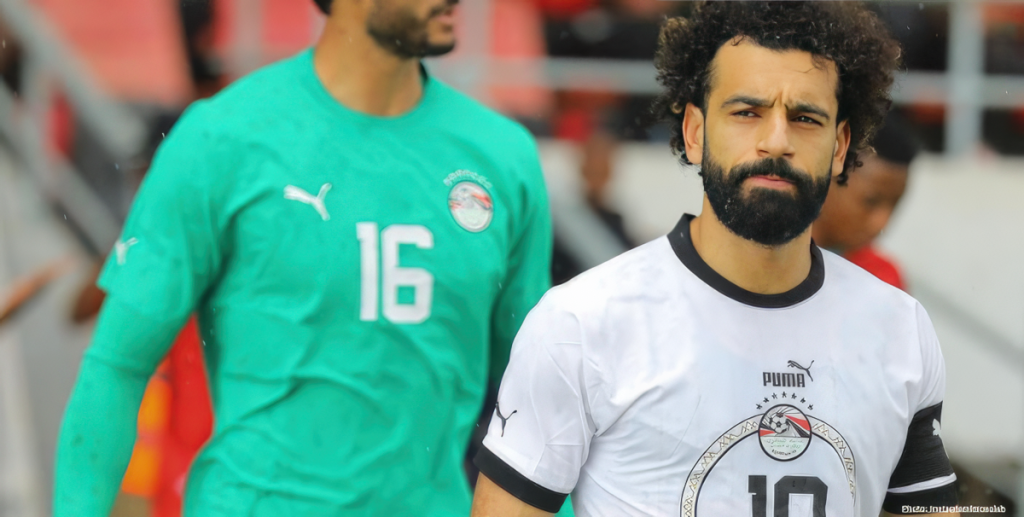
The knockout schedule ran through Mexico City, Santa Clara, Inglewood and Arlington in quick succession. The United States beat Bosnia and Herzegovina 2-0 at Levi’s Stadium. Spain beat Austria 3-0 at SoFi. Then Australia and Egypt finished 1-1 at AT&T Stadium before Egypt advanced 4-2 on penalties.
The Australia-Egypt post centers Salah’s Panenka. From our position, the video holds the run-up and finish in the same frame.
England’s win at the Azteca was followed one day later by Spain against Portugal in Arlington. Two countries and two knockout matches on consecutive nights made the itinerary look less like a trip than a production schedule.
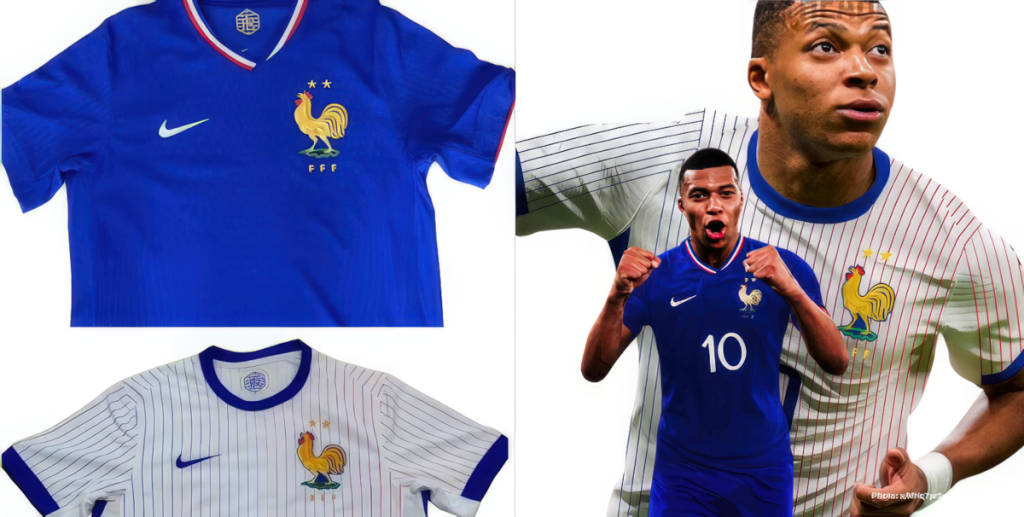
Spain beat Portugal 1-0, the third time I had seen the eventual champion. Belgium came next at SoFi, where Spain won 2-1. Four days later, Spain beat France 2-0 in the semifinal at AT&T Stadium. By then, Spain had become the recurring color in my camera roll.
Six of my 15 matches involved Spain: Uruguay, Austria, Portugal, Belgium, France and Argentina. The sequence crossed Guadalajara, Inglewood, Arlington, Inglewood again, Arlington again and finally East Rutherford.
The Times Square clip changes the setting, replacing seats and a pitch with Midtown Manhattan. For a moment, the World Cup story moves outside the stadium and into the city.
At MetLife Stadium, Spain and Argentina went 105 minutes without a goal. Ferran Torres scored in the 106th, and Spain beat Argentina 1-0 after extra time. The reaction clip does not stay composed. The frame breaks from the field and catches the people nearest our position moving with the goal.
After the final whistle came the ceremony and Spain’s trophy lift. At SoFi, the first post held the opening stadium. At MetLife, the last held the champions above the pitch. Thirty-seven days and 15 matchdays sit between those two frames.