Iran’s 2026 World Cup will start on the border before it ever reaches the stadium. FIFA’s final base-camp map sends IR Iran to Centro Xoloitzcuintle in Tijuana, Mexico, rather than Tucson, Arizona, the site Iran had initially planned to use. For a team drawn into Group G with all three group-stage matches in the United States, the move turns a preparation detail into one of the tournament’s most politically charged logistics stories.
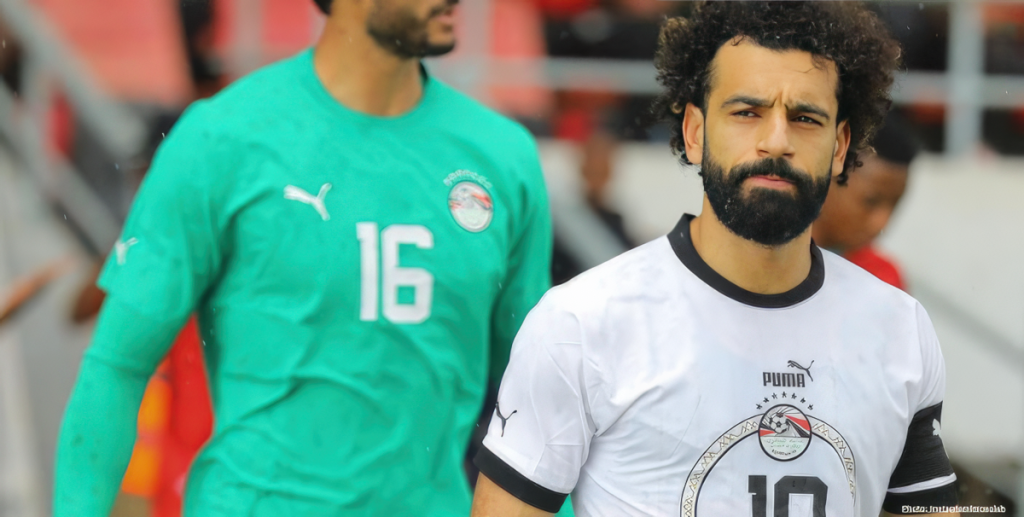
The geography is straightforward. Iran opens against New Zealand on June 15 at SoFi Stadium in Inglewood, then returns to the same venue for Belgium on June 21. Its final group match comes June 26 against Egypt at Lumen Field in Seattle. Tijuana keeps the squad close to Southern California, especially compared with Arizona, while placing the team outside the United States during a period of active tension between Washington and Tehran. That makes the arrangement part of the broader 2026 World Cup access question that has followed this tournament for months.
The opener also has a local business angle. Earlier World Cup ticket sales reporting around SoFi showed Iran vs. New Zealand with more than 50,000 tickets purchased in an April organizer document. The number does not change Iran’s sporting task, but it gives the first match a commercial dimension before the ball is kicked.
The diplomatic temperature could still change before the tournament begins. President Donald Trump’s administration is pursuing negotiations aimed at ending the war with Iran, but those talks remained in flux after U.S. forces carried out what the Pentagon called defensive strikes in southern Iran. Iran condemned the action as bad faith. For World Cup organizers, that leaves Iran’s camp plan looking less like a settled accommodation than a working solution in a moving political environment.
The football case for a border camp
On the field, Iran’s plan is built around experience. Amir Ghalenoei’s preliminary 30-man squad still has to be reduced to 26, but the outline is clear: Alireza Beiranvand and Seyed Hossein Hosseini are familiar options in goal, while Ehsan Hajsafi, Shoja Khalilzadeh, Hossein Kanaani, Milad Mohammadi and Ramin Rezaeian give the back line a veteran feel. In midfield and attack, Saman Ghoddos, Saeid Ezatolahi, Alireza Jahanbakhsh and Mehdi Taremi give the side its recognizable spine, with Taremi the clearest attacking reference.
The absence of Sardar Azmoun is the selection that changes the tone of the squad. Azmoun has 57 goals in 91 international appearances, and his omission leaves Iran without one of its most proven finishers. Ghalenoei did not publicly explain the decision when the preliminary list was released. While the omission remains injury, some are reporting to political controversy around Azmoun’s earlier social media activity. However the final explanation is framed, Iran’s attack looks thinner without him.
There are smaller roster questions too. Shahriyar Moghanlou was added to the wider camp, while midfielder Rouzbeh Cheshmi left training in Antalya because of a hamstring injury. Iran’s route out of Group G probably depends less on a dramatic upset than on margins: set pieces, defensive concentration, the opener against New Zealand and the ability to keep Egypt within reach.
The expanded format gives Iran a plausible path. The top two teams in each group advance to the Round of 32, along with the eight best third-place teams. Belgium is the obvious favorite in Group G. New Zealand is the match Iran cannot waste. Egypt is the game that may decide whether Team Melli reaches the knockout conversation or leaves another World Cup with a familiar first-round exit. Iran is making its fourth straight World Cup appearance and seventh overall, but it has never advanced beyond the group stage.
The political complications extend beyond the hotel and training field. Iran players have applied for U.S. and Canadian visas, with Canada potentially relevant if Iran advances. Iran Football Federation president Mehdi Taj was reportedly refused entry to Canada over alleged links to the IRGC, which the U.S. and Canada classify as a terrorist organization. Iran and Egypt objected to the Pride framing around their June 26 match in Seattle, while Iranian officials want FIFA to restrict pre-1979 Iranian flags from stadiums where Iran plays.
That is the shape of Iran’s summer: a Mexico base, U.S. matches, an unsettled roster and a political climate that could shift again before kickoff. Tijuana gives Iran proximity and some control over the daily rhythm of camp. It does not remove the pressures around the team. It only gives those pressures a border to cross.