How to follow Haiti at the 2026 World Cup
Haiti secured a spot in the 2026 FIFA World Cup on November 18, 2025. This is the team’s second appearance at the men’s World Cup and the first since 1974. The qualifying match took place in Curaçao, where Haiti defeated Nicaragua 2-0 with goals from Louicius Deedson and Ruben Providence.
Haiti’s return comes after a qualifying campaign with some unusual challenges. Head coach Sébastien Migné has led the team without visiting Haiti, and all of Haiti’s qualifiers have been played away from home.
The World Cup draw took place on December 5, 2025, at the John F. Kennedy Center for the Performing Arts in Washington, D.C. Haiti is in Group C with Brazil, Morocco, and Scotland.
Haiti’s 1974 World Cup in West Germany is still the main reference point for the team’s history. Haiti lost all three matches and gave up 14 goals, but there was a memorable highlight: Emmanuel Sanon scored Haiti’s first World Cup goal against Italy, ending Dino Zoff’s 1,142-minute streak without conceding.
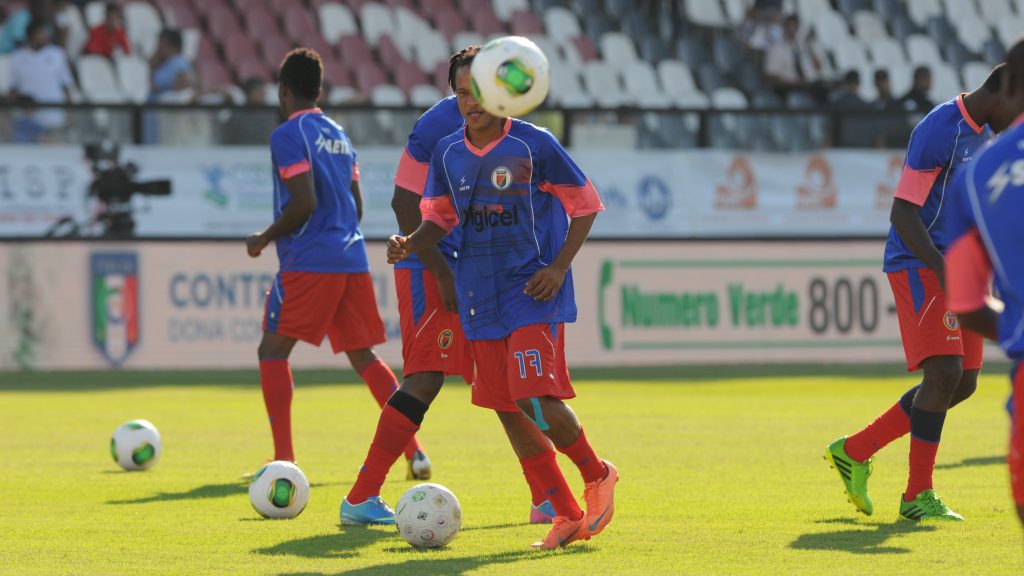
Haiti’s team is often called Les Grenadiers, and the national colors, red and blue, are seen everywhere in coverage. To follow Haiti in 2026, focus on a few key things: the schedule, the opponents, the players who can make a difference, and the official sources for roster and matchday updates.
Where Haiti will play and what to watch for
Haiti’s three group-stage matches are all in the United States. The opener is Haiti vs Scotland at Gillette Stadium in Foxborough, Massachusetts on June 13, 2026. Haiti then faces Brazil at Lincoln Financial Field in Philadelphia on June 19, 2026. The group ends with Morocco vs Haiti at Mercedes-Benz Stadium in Atlanta on June 24, 2026.
These locations make it easy to follow the team in real time. There are three games in large stadiums, all within the United States, so there are no border crossings. If you’re traveling, the route goes from the East Coast to the Southeast. If you’re watching from home, the schedule is straightforward and easy to follow.
The tournament format also changes how you should read each result. The 2026 World Cup expands to 48 teams in 12 groups of four. The top two teams in every group advance, and the eight best third-place teams also move on to a Round of 32. In practice, that means Haiti’s margin for error is not zero, but every goal can matter because goal difference can separate teams across the third-place table.
To keep up with Haiti on the field, get to know a few key players. Johny Placide is the veteran goalkeeper and team captain. In midfield, Jean-Ricner Bellegarde stands out as a well-known player. Up front, Duckens Nazon is Haiti’s all-time leading scorer and the main forward to watch for goals.
It’s also helpful to remember the players who scored in the qualifying match. Deedson and Providence got the goals that sent Haiti to the World Cup. Even if the lineup changes by June, their names will always be linked to Haiti’s return.
Since many Haitian players are based at clubs outside Haiti, the best way to stay updated is to watch for roster announcements. The Haitian Football Federation posts updates on Instagram and X with the handle \@fhfhaiti. These accounts share call-ups, squad news, and matchday details.
One important cultural detail is language. The Haitian Creole rallying cry for the national team is Grenadye, alaso. You don’t need to make a big deal out of it, but it’s good to recognize it in official messages and match coverage.
To watch “like a local,” it helps to know where Haitian communities are in the host cities. In Greater Boston, Mattapan is known for its Haitian and Caribbean community. Philadelphia and Atlanta also have strong Haitian communities, including Gwinnett County in Atlanta. While there may not be one official gathering spot, these areas are good places to look for Haitian-owned restaurants, cultural groups, and community centers that share event information during big tournaments.
It’s also important to know about Haiti’s main rivalry. In regional tournaments, games against the Dominican Republic are often called the battle for Hispaniola, since both countries share the island. This context matters even during the World Cup, as it shows how Haiti fits into its region and which matches have extra significance in other competitions.
When Haiti starts its World Cup journey in Foxborough, the main story will be clear: the team is back after more than fifty years, facing Brazil and Morocco, and playing in three U.S. cities. To follow Haiti closely, keep an eye on the schedule, check the federation for roster updates, and watch the key players who could shape Haiti’s tournament.