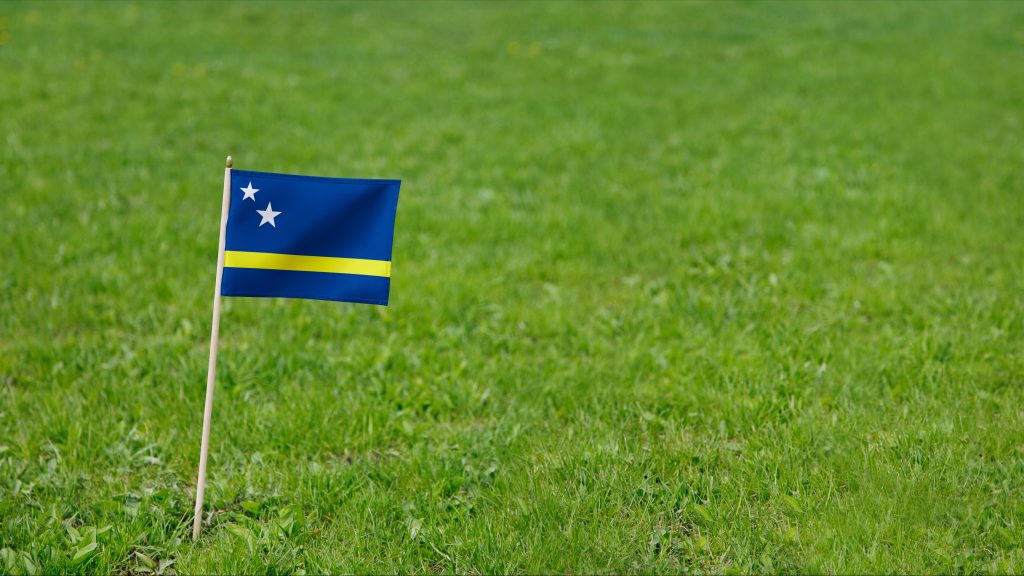
Curaçao is set to play in the men’s World Cup finals for the first time in 2026. Their qualification was dramatic and could shape the team’s future. The crucial match in Jamaica ended 0-0, with a late penalty awarded and then overturned after video review.
That draw was enough because Curaçao finished first in its qualifying group, one point ahead of Jamaica. In a tournament that includes the sport’s most decorated programs, Curaçao’s entry point is simpler and rarer. By population, the island is the smallest men’s World Cup qualifier in tournament history, with roughly 150,000 to 160,000 residents.
The small size explains why Curaçao’s story stands out, but not how it happened. The current team relies on players developed in the Netherlands, and many Dutch-born players started in the final qualifier. This has created a national team shaped by the Dutch-Caribbean diaspora, designed to come together quickly for international matches.
Dick Advocaat is leading Curaçao through its first World Cup cycle, having taken over as coach in January 2024. If he stays until June 2026, he will be 78 during the tournament. This choice shows Curaçao values experience and careful preparation over trying something new.
If you want to follow Curaçao in 2026, think of the story in two parts. One is the narrative: a small football nation making its first appearance with a team built from players across the ocean. The other is logistics: a three-game group stage in three U.S. cities, where dates and travel affect how you keep up with the team.
A World Cup debut built across oceans
Curaçao’s football history goes back many decades. The island’s football federation was founded in 1921, so reaching the 2026 World Cup is more of a new high point than a sudden breakthrough. The modern team is closely linked to the Netherlands, with many top players coming through Dutch academies. The recent qualification run showed how important that connection still is.
This setup matters because it affects how you should follow the team. Curaçao’s players are spread across different leagues, and the national team only comes together for short training camps, so building teamwork is a challenge. To really understand Curaçao, watch for which players are called up again and again, who starts the big matches, and how the coach builds the core of the team over time.
Some of the main names linked to Curaçao’s current squad are Leandro Bacuna and goalkeeper Eloy Room, as well as Tahith Chong, Juninho Bacuna, Joshua Brenet, Armando Obispo, Jürgen Locadia, Kenji Gorré, and Sontje Hansen. The final World Cup roster isn’t set until it’s submitted, but these players have been key to the team’s success and helped Curaçao reach 2026.
The schedule is the starting point for everything. Curaçao is in Group E with Germany, Ecuador, and Ivory Coast, playing group matches in three U.S. cities. The first game is Germany vs Curaçao on June 14 in Houston. The second is Ecuador vs Curaçao on June 20 in Kansas City. The third is Curaçao vs Ivory Coast on June 25 in Philadelphia.
Even if the plan is to watch from home, the locations matter because they affect kickoff times, travel demands for the team, and the rhythm of tournament coverage. For supporters who want to attend more than one match, the geographic sequence is manageable but not trivial. Houston to Kansas City is about 647 miles in a straight line, and Kansas City to Philadelphia is about 1,034 miles. The run from the Caribbean to those cities is longer still, which is part of why early planning becomes a competitive advantage for anyone hoping to follow the team in person.
To follow Curaçao closely, it helps to know where to find official updates. During qualifying, Curaçao United shared posts for fans, including practical news like sold-out matches and messages using tags like #NOSTA12. They also gave advice on getting supporter tickets, directing fans to FIFA’s ticket portal and explaining how to choose Curaçao’s ticket allocation when available.
This advice is important because World Cup ticket sales happen in phases, and the rules can change from one window to the next. It’s best to separate what stays the same—like match dates, venues, and opponents—from what can change, such as ticket procedures, deadlines, and allocation rules. For those changing details, it’s safer to trust official updates instead of secondhand information.
There is also a quieter layer of matchday identity that shows up in team content. Curaçao United has described a traditional prayer as part of the routine, and its supporter messaging has used the phrase Yu Korsou alongside references to flags and collective presence. Those details are not tactics, but they are a reminder that this World Cup appearance is not only a sporting event. It is also a national moment that a small program has to learn how to carry.
On the field, the last qualifier gives a good hint about what Curaçao might focus on in the World Cup. The match against Jamaica ended 0-0, and the key moment was a late penalty that was given and then overturned after video review. Handling that situation showed Curaçao’s ability to stay organized when things get tense, which is crucial for a team making its debut.
This matters right away, since Curaçao’s first match is against Germany. That game will set the tone for what comes next and test if Curaçao can bring its qualifying strengths to the world stage. The result is important, but so are the small details—like how long the team can keep its defensive shape and how well it turns defense into controlled attacks instead of just clearing the ball.
The next two games, against Ecuador and Ivory Coast, will require Curaçao to adjust its approach. It’s helpful to watch how the team manages risk across all three matches. In a short group stage, a new team has to choose where to focus its energy. This can be seen in when they press, how far the fullbacks push up, or if they send more players forward late in a match to try for a result.
This is where knowing the roster really matters. Leandro Bacuna has played a big role in Curaçao’s qualification, and experienced players often help steady the team in close games. Eloy Room’s experience is important for the same reason. A good goalkeeper can keep the team in the game during tough moments, and a debut team is likely to face plenty of those.
In attack, Curaçao’s squad has featured players like Tahith Chong and Kenji Gorré, while Joshua Brenet and Armando Obispo have been key in defense. Jürgen Locadia adds more experience up front. The goal isn’t to guess the final starting lineup, but to know which players have been most involved, so you have context when a key moment happens in a match.
Advocaat’s tenure began in 2024, which means the run-up to 2026 is also a story of selection. The closest thing to a reliable prediction model for a World Cup roster is not a single friendly result. It is repetition. Who is called in consistently, who starts competitive matches, and who is used in specific game states that define international football, such as protecting a lead, chasing a goal late, or managing the last minutes of a match under pressure.
Rivalry, in Curaçao’s case, is best understood as recent competitive context rather than a permanent feud. Jamaica is the reference point that will continue to matter because the qualifying table came down to one point and because the decisive match was played there. Trinidad and Tobago appears as another important regional opponent along the qualification route. Those matchups help frame the level of intensity Curaçao has already navigated within Concacaf before stepping into a group that spans continents.
If you want a simple plan to follow Curaçao in 2026, focus on three things. First, remember the key dates and locations: Houston on June 14, Kansas City on June 20, and Philadelphia on June 25. Second, keep an eye on roster announcements before the World Cup to see which players make the final squad. Third, use official sources for ticket and travel info, like federation updates and the tournament’s ticket portal.
Curaçao’s debut is historic because it is the first. It is also instructive because it shows how international football still rewards organization under pressure. A small program, built across oceans and steady enough to survive a defining moment in stoppage time, will walk into three stadiums in the United States and take its place in the tournament. Following Curaçao well means respecting that simplicity, then doing the practical work so that when the first match begins, you are watching the team itself rather than scrambling to catch up with the basics.