Austria earned their World Cup spot the tough way, needing to stay focused until the very end. On November 18, 2025, they drew 1-1 with Bosnia, which was enough to finish first in their UEFA qualifying group and secure a place in 2026. Michael Gregoritsch scored the late equalizer after a cross from Marcel Sabitzer, showing how qualification can depend on one well-executed moment.
That draw meant more than just qualifying. It ended a long wait since 1998, which was the last time Austria played in a men’s World Cup. Many players grew up only watching the tournament, not playing in it for their country. Now, the World Cup returns to their calendar, running from June 11 to July 19, 2026, across 16 cities in the United States, Canada, and Mexico.
If you’re trying to follow Austria closely, start with what changed. The team is coached by Ralf Rangnick, appointed in 2022, and his presence matters because he is a system builder, a manager whose reputation comes from turning ideas into habits. National teams rarely get enough time together to become fully themselves, but the arc from appointment to qualification suggests Austria has found a functional identity, one sturdy enough to survive a tense qualifying finale.
Austria has a richer football history than many realize. In the 1930s, their national team was called the Wunderteam and was known for its technical style, making Austria a key name in European football. Their best World Cup result was third place in 1954. The mix of a proud past and many missed tournaments is part of why 2026 is important. Austria is not new to football, but it is returning to the spotlight.
There is a practical reason to pay attention early: the World Cup is as much about logistics as it is about football, and Austria’s group stage will take you across the U.S. They are in Group J with Argentina, Algeria, and Jordan. Their three matches are in Northern California, North Texas, and Missouri, so the schedule changes not just by opponent, but also by time zone.
What to mark on the calendar and where to watch
Austria’s first match is at Levi’s Stadium in Santa Clara, which FIFA will call the San Francisco Bay Area Stadium during the tournament. They play Jordan there on June 16, 2026, with kickoff at 9:00 p.m. Pacific time. For fans in Austria, this means the match will be early in the morning at home, so the next day might feel like it starts before you have even slept.
Austria’s second match will draw a lot of attention because they face the defending champions, Argentina. This game is on June 22, 2026, at the stadium in Arlington, which FIFA will call Dallas Stadium. Kickoff is at 12:00 p.m. Central time, or 1:00 p.m. Eastern. This is a convenient time for European viewers. It is also the match that could shape how people see the group, since Argentina’s reputation often overshadows other teams.
Austria’s last group match is in Kansas City. On June 27, 2026, they play Algeria at Kansas City Stadium, also called GEHA Field at Arrowhead Stadium, with a 9:00 p.m. local kickoff. This late start is another example of how following Austria in 2026 might mean deciding between watching live or getting enough rest, depending on your location.
These three matches mean Austria’s group is not based in one place. Traveling from Santa Clara to Arlington to Kansas City covers a lot of ground. If you are going to the games, it is easier if you can fly between cities. If you are watching from home, it helps to set reminders, since the match times vary: one is late at night Pacific, one is midday Central, and one is late at night Central. There is no single, predictable time slot.
Broadcasting is simple for fans in Austria. Free-to-air coverage will be shared by ORF and ServusTV, so all matches are on Austrian free TV. ORF sublicensed 52 of the 104 live games to ServusTV. ORF will show the opening match and the final. For Austria’s matches, ORF will show the first and third group games, while ServusTV will show the second. If Austria moves on, ServusTV will show the round of 16, and ORF will show any later matches involving Austria.
For viewers outside Austria, the key is to check your broadcaster early. World Cup rights depend on the country, and streaming options can change. Use official tournament listings to confirm kickoff times and match locations, and compare them to your local schedule. As June approaches, matches may show up on different platforms than you expected months before.
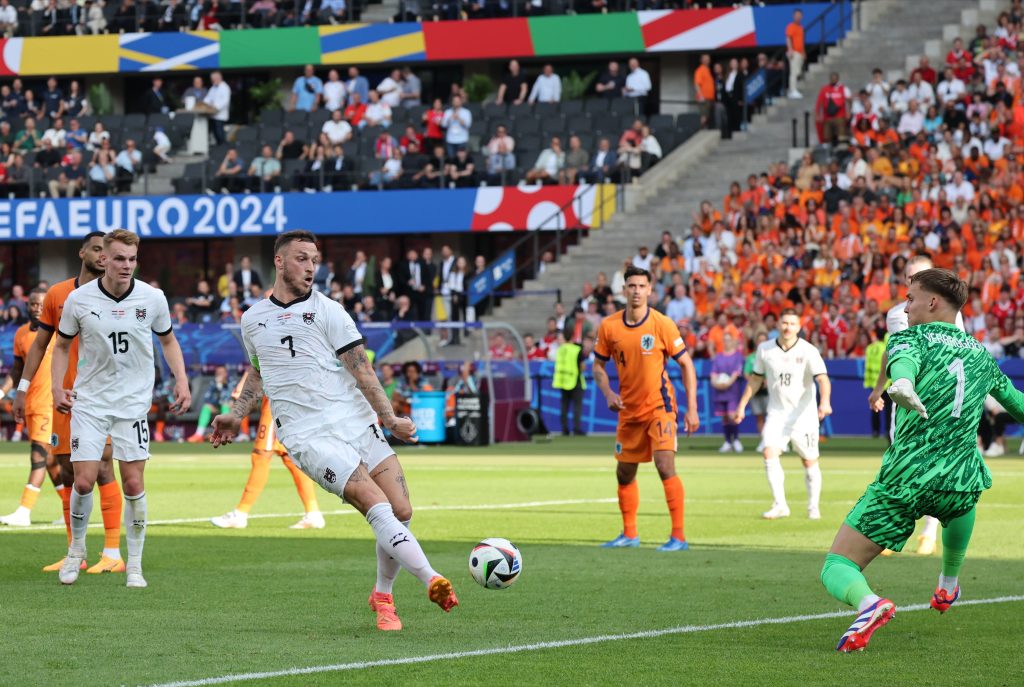
To follow Austria closely, pick your information sources before the first lineup is announced. The Austrian Football Association’s channels are the fastest way to get training updates, roster news, and matchday media. ÖFB also shares videos on its own platform, which is a good way to see how the federation wants the team to be seen. For example, before Euro 2024, ÖFB posted a video of Austria fans singing I Am from Austria in Berlin before a match against Poland. While it is not the same as being there, it gives you a real sense of the team’s matchday culture.
Most people want to know about the players. Austria’s 2026 squad will likely have a core group of familiar names, with others rotating in. The key players stood out in the qualifying match: Gregoritsch scored the crucial goal, Sabitzer provided the cross, and Konrad Laimer, another important midfielder, was also involved and even had a goal disallowed in the first half. These players are central to how the team plays, recovers from setbacks, and creates game-changing moments.
David Alaba is still the biggest name, serving as captain and Austria’s most well-known player in recent years. Whether he plays every match or manages his minutes, he is the main figure for those outside Austria. The rest of the squad usually includes players with experience in top club football, especially in the Bundesliga and other major European leagues. This experience is important because the World Cup has a tight schedule and requires clear tactics. Players used to busy club seasons often adjust better to the tournament’s pace.
If you want to watch Austria as a true fan, pay attention to the players who link the team together, not just the stars. The World Cup does not allow for long tactical experiments. It favors teams that can stick to their strengths under pressure. For Austria, the main challenge is not about playing beautifully, but about keeping their structure from the first match to the third while traveling across the country.
Matchday culture is often exaggerated, but the basics are helpful. Austria’s national colors are red and white, and these are seen everywhere around the team. There are official fan clubs that organize travel and support at matches, known as Fankurve Österreich in Austrian reports. You do not need to make it sound more exciting than it is to benefit from it. If you are traveling, these fan groups can help with venue details, meeting points, and travel tips based on real experience.
U.S. stadiums add another layer of practical details. Rules, entry procedures, and local transport can be very different from what European fans expect. Levi’s Stadium, the Arlington venue, and Arrowhead each have their own game-day rules and public transit options, and the World Cup often means extra security. To stay updated, bookmark the event pages for each venue and check them in the week before the match for the latest on entry times and allowed items.
Rivalries are a big part of Austria’s football history, especially because of geography. Austria and Hungary have played each other 137 times, making it the second most-played international men’s fixture after Argentina vs. Uruguay. This rivalry is not part of Group J, but it is important because it shows how Austria’s football identity was shaped by local opponents and long-standing regional competition.
In 2026, Austria’s main story is not about a rivalry, but about coming back. They are returning to the World Cup after 28 years, with a coach who has had time to build the team and a schedule that requires good organization on and off the field. If you follow Austria closely, you will also follow the details of the tournament: travel days, time zones, roster news, broadcast plans, and matches that can quickly become the main event.