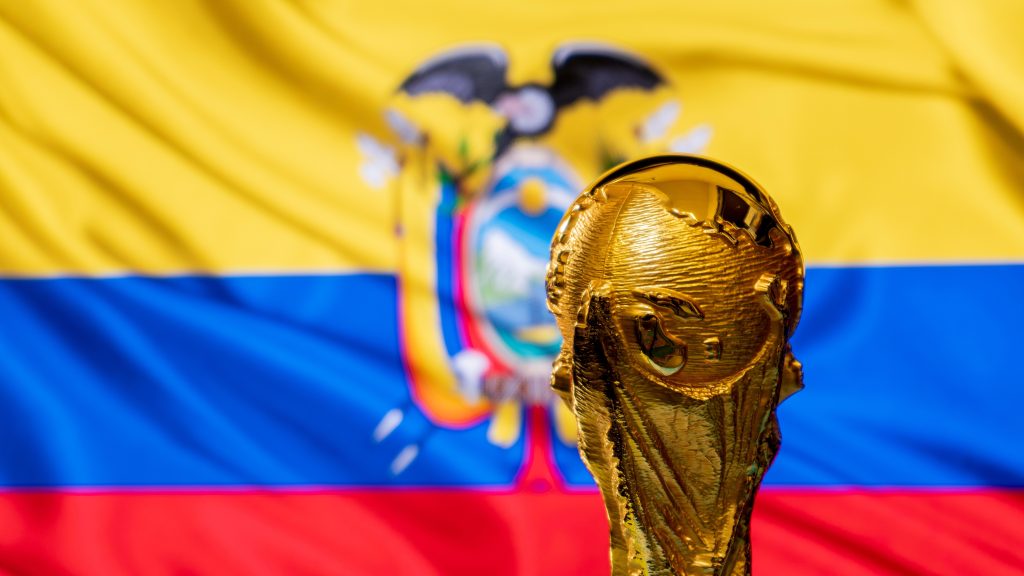
If you follow Ecuador at the 2026 World Cup, you’ll see a team built on discipline and teamwork. Their fans make every group-stage venue feel like home. La Tri don’t have to control the ball or rely on star moments. Instead, they stay organized, defend well, and take advantage of any mistake their opponents make.
This guide is meant to give you a full picture. You’ll learn about Ecuador’s team identity, key players, their match schedule in three U.S. cities, and tips for finding the best places to watch, no matter where you are.
Ecuador are in Group E with Germany, Curaçao, and Côte d’Ivoire. Their three group matches run June 14, June 20, and June 25, with the final group game against Germany at MetLife Stadium in the New York/New Jersey region.
Ecuador’s 2026 story: who La Tri are, and why this tournament matters
La Tri, short for La Tricolor, takes its name from the flag colors, but the team’s real identity shows on the field. Ecuador is known for strong defense and disciplined play, not for keeping the ball or flashy skills. Their best games are patient and controlled, making the most of small chances. In World Cups, this style is often overlooked, but it works. Teams that avoid easy mistakes and stay calm under pressure usually do well, and Ecuador is good at both.
Ecuador’s fans help shape the team’s identity. At tournaments, you’ll see lots of yellow shirts, flags, and hear steady chants and songs that last all game. The crowd stays loud and involved, even if the team isn’t winning. For them, close games are just part of the experience.
The 2026 World Cup is set up well for Ecuador fans. Their group games are in Philadelphia, Kansas City, and the New York/New Jersey area, making it possible to follow the team from city to city. Ecuador’s journey to the tournament was tough, and that experience has shaped the team. The squad includes players who have faced challenges and proven themselves, which is a key trait of strong tournament teams.
Looking at the group, each opponent brings something different. Germany is experienced and tactically strong. Côte d’Ivoire is physical and athletic, which can be tough to handle. Curaçao plays with a free, unpredictable style that can make early games tricky. For Ecuador, the plan is simple: win the games they can, stay organized against tougher teams, and avoid giving away easy chances.
The people and the places: players to know, and where Ecuador will play
To understand how Ecuador plays, start with the midfield. Moisés Caicedo is the key player who shapes their defense and transitions. He wins loose balls, handles pressure, and starts attacks before the other team can react. When Ecuador looks calm under pressure, it’s usually because of him. His fitness and focus often show whether Ecuador is controlling the game or struggling.
Enner Valencia is important in a different way. As he’s gotten older, his role has changed, but he still means a lot to La Tri. He’s the go-to player in big moments. When games get tense and Ecuador needs someone to rally around, his leadership is just as important as his performance.
Ecuador’s defense sets their limits in the tournament. Piero Hincapié is the kind of defender they need: athletic, able to cover space, and calm even when the game gets hectic. Against teams like Germany and Côte d’Ivoire, strong defending is crucial. How well Hincapié handles these challenges will help decide how far Ecuador goes.
Keep an eye on Kendry Páez during the tournament. Ecuador has started producing players who expect to compete at this level, and Páez is one of them. His exact role will depend on team choices and the situation, but having him in the squad shows Ecuador is planning for the future.
Ecuador’s group-stage games are in three cities. They start against Côte d’Ivoire on June 14 in Philadelphia, face Curaçao on June 20 in Kansas City, and finish against Germany on June 25 at MetLife Stadium in the New York/New Jersey area. Traveling between Philadelphia and MetLife is easy, but getting to Kansas City takes more planning.
Which match you attend depends on the experience you want. The first game is full of excitement and hope. By the second match, the group standings start to matter, and the atmosphere changes. The game against Germany is the big one and will feel important no matter what the standings are.
How to watch Ecuador like a local: matchday energy, fan zones, and watch parties
For Ecuador fans, the hours before kickoff are just as important as the match. Supporters arrive early, gather in large groups, and create a lively atmosphere around the stadium. The main advice: wear yellow, get there before it gets crowded, and enjoy the energy.
No matter where you watch, Ecuador matches are filled with drums, horns, and chants that last the whole game. Fans stay loud even when the score is close. They cheer especially hard during defensive plays, corners, and tense moments, because those are often when the game is decided. The crowd knows this and responds together.
If you can’t get tickets, you still have good options. Official fan zones and festivals are great for travelers who aren’t familiar with the area. They offer big screens, crowds, and a lively tournament feel, all without needing to know the city well. In the New York City area, Queens carries the densest concentration of Ecuadorian community life, and on a World Cup matchday that infrastructure activates completely. Bars and restaurants fill well before kickoff, and the collective reaction to match events is synchronized in a way that a general fan zone rarely produces.
The best way to find a watch party is to follow the community, not just a single venue, since locations can change. In the week before each game, check the official La Tri accounts for updates, look for local event posts, and search your city for “Ecuador watch party” or “La Tri watch party.” The top events are usually announced two to three days ahead and fill up fast. If an organizer has hosted big matches before, that’s a good sign.
When it comes to watching on TV or online, your main choice is language. FOX and FS1 have English coverage, while Telemundo and Universo (plus Peacock for streaming) offer Spanish. Spanish broadcasts often capture the excitement and rhythm of the match better, matching the fan experience. It’s not required, but it can make you feel more connected to the culture.
To keep up with the tournament every day, follow these three accounts: @LaTri on X for lineups and news, @latriecu on Instagram for photos and videos, and CanalFEF on YouTube for longer content. Turn on notifications on matchdays to get updates, lineups, and behind-the-scenes posts as they happen.
Your matchday plan should fit the kind of Ecuador experience you want. Arriving early at a fan festival or busy watch party gives you the loudest, most energetic night. Watching in the stadium, surrounded by yellow-clad fans, is the purest way to experience it. Or, you can stick with a favorite local spot and regular group for a consistent way to follow every game.
Ecuador’s World Cup journey often comes down to small moments and close games. Following them is about sharing that intensity — fans who treat every match as important, crowds that stay until the end, and a sense of togetherness that stands out from typical World Cup tourism. That’s what makes La Tri special, and why it’s worth following them through every match and beyond.