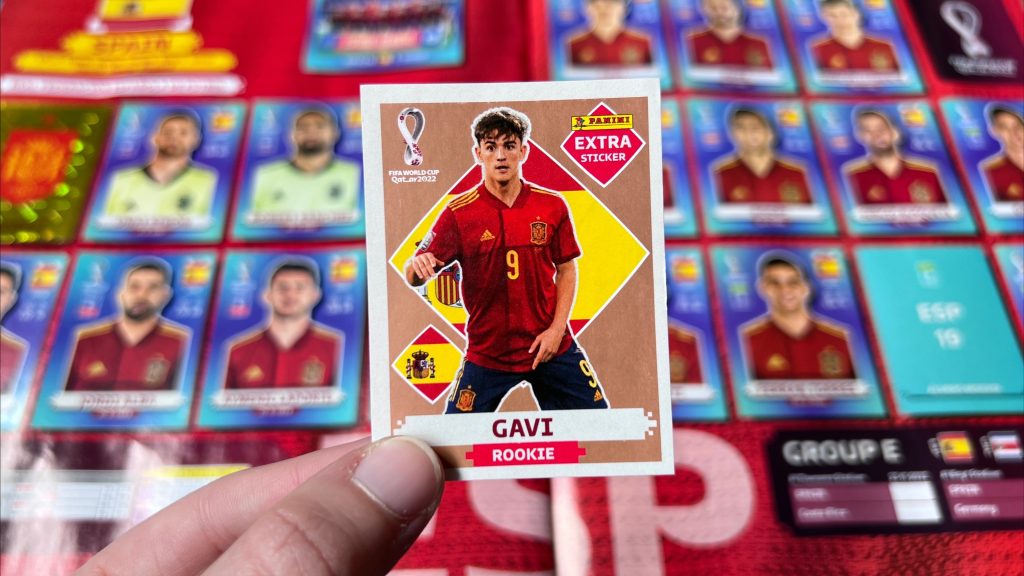
Spain enter the 2026 World Cup as strong favorites. This guide covers who Spain are, why this tournament is important, which players define their style, what it’s like in the stands, and how to follow them across
Spain, La Roja, and why 2026 matters
The nickname “La Roja” is more than just a brand. In Spanish football, club loyalty and regional identity often split fans in ways you don’t see elsewhere. Many people support Barcelona or Real Madrid, or feel more connected to Catalonia or the Basque Country than to the national team. The national squad has had to create a shared identity that most teams don’t need. “La Roja” unites everyone. The red shirt is the symbol that stands above club and region.
People everywhere still think of Spain for their unique style. For many, Spain means tiki-taka, the possession-based, technical football from 2008 to 2012. Even now, that style comes to mind, but today’s team plays more directly and uses speed and space more. The current squad keeps their technical skills but also attacks quickly down the wings and changes tempo based on the opponent. This flexibility makes them a tough team to play against in a tournament.
Spain face a different kind of pressure in 2026. They aren’t underdogs; people expect them to do well. Spain already have one World Cup title, so the big question in North America is whether this team can win another. The squad looks strong, but only the tournament will show if they can turn that into a second trophy.
There’s a practical reason to follow Spain all month. They play two group matches in Atlanta, then finish against Uruguay in Guadalajara. Playing twice in one city means less travel, a steady base, and a chance to get into the tournament rhythm instead of starting fresh each time.
The squad, the roles, and the rivalries
Spain play their best football with a clear pattern. A midfielder controls the ball and sets the pace, while a wide attacker creates problems that defenders can’t easily solve. When these two roles work together, Spain don’t just win; they control the flow of the game.
Rodri is the best example of midfield control. He senses pressure early, stays calm under stress, and sets the pace when Spain need to keep a lead or regroup after losing the ball. Watching Rodri shows how Spain can make chaos look intentional.
The wide attackers bring energy and excitement. Lamine Yamal stands out because he’s direct and doesn’t get nervous in big moments. Nico Williams is different. He’s fast, confident in one-on-ones, and can turn a simple play into a real threat in just two touches. Spain have always had skilled players, but this group is known for how dangerous they are when they attack quickly.
Álvaro Morata adds something different. He has tournament experience and understands that handling pressure is just as important as skill at the World Cup. In a long knockout run, his experience matters because not every game will go as planned.
Spain’s rivalries are important and easy to understand. Portugal is the neighbor, so their matches feel personal. France is the nearby powerhouse, which adds modern stakes. Italy is the classic rival, with a history that matters even as teams change. Uruguay isn’t a traditional rival, but they’re the kind of opponent who won’t let the match stay comfortable. That game will be an early test of how Spain handle a tough challenge.
Matchday culture: what it looks and sounds like
The stands are always filled with red, with fans wearing flags as capes, holding up scarves at big moments, and some yellow mixed in. The crowd comes prepared and knows exactly who they’re there to support.
The main chant is simple: *Yo soy español, español, español.* It’s about identity, not tactics, and everyone gets it. You’ll hear it during big moments, after goals, and when the team needs support. Once you hear it, you’ll always recognize it.
Spain’s national anthem has no lyrics, so there’s no singalong like with other teams. Instead, the crowd creates a powerful wall of sound that feels more focused than ceremonial. People often say Spain is about style, but the real emotion comes from intensity, not show.
Where to follow Spain in 2026
Atlanta is home base. Spain play two group games there, so it’s about building a routine, not searching for something new. Find your favorite pregame spots, plan your travel, and check out the bars and public places where Spain fans gather. By the second match, the city should feel familiar, and watching the game becomes an experience, not just an event.
There are two great ways to watch in Atlanta. You can join big crowds at public viewings with huge screens, where the atmosphere is lively and you meet other fans. Or you can choose a football-focused bar, where the sound is on and everyone pays attention to every moment. Both options are great. The only mistake is waiting until the last minute to decide, because the buildup is what makes the match feel special.
Guadalajara offers something new. The Uruguay match is a big test, even though it’s still in the group stage. Plan your trip ahead and arrive early so you can enjoy the city, not just pass through. Start your day downtown, take in the stadium atmosphere, and let the day continue after the match. That’s how a group-stage game becomes a memory you’ll talk about for years.
If you’re watching from home, the same idea works. Spain’s big matches are best enjoyed with others. If you’re not in a city with lots of fans, pick a good spot and get there early. Wear red, find a bar where people care about the game, and let the tension build before kickoff. Spain’s matches tell a story, and if you arrive late, you’ll miss the beginning.