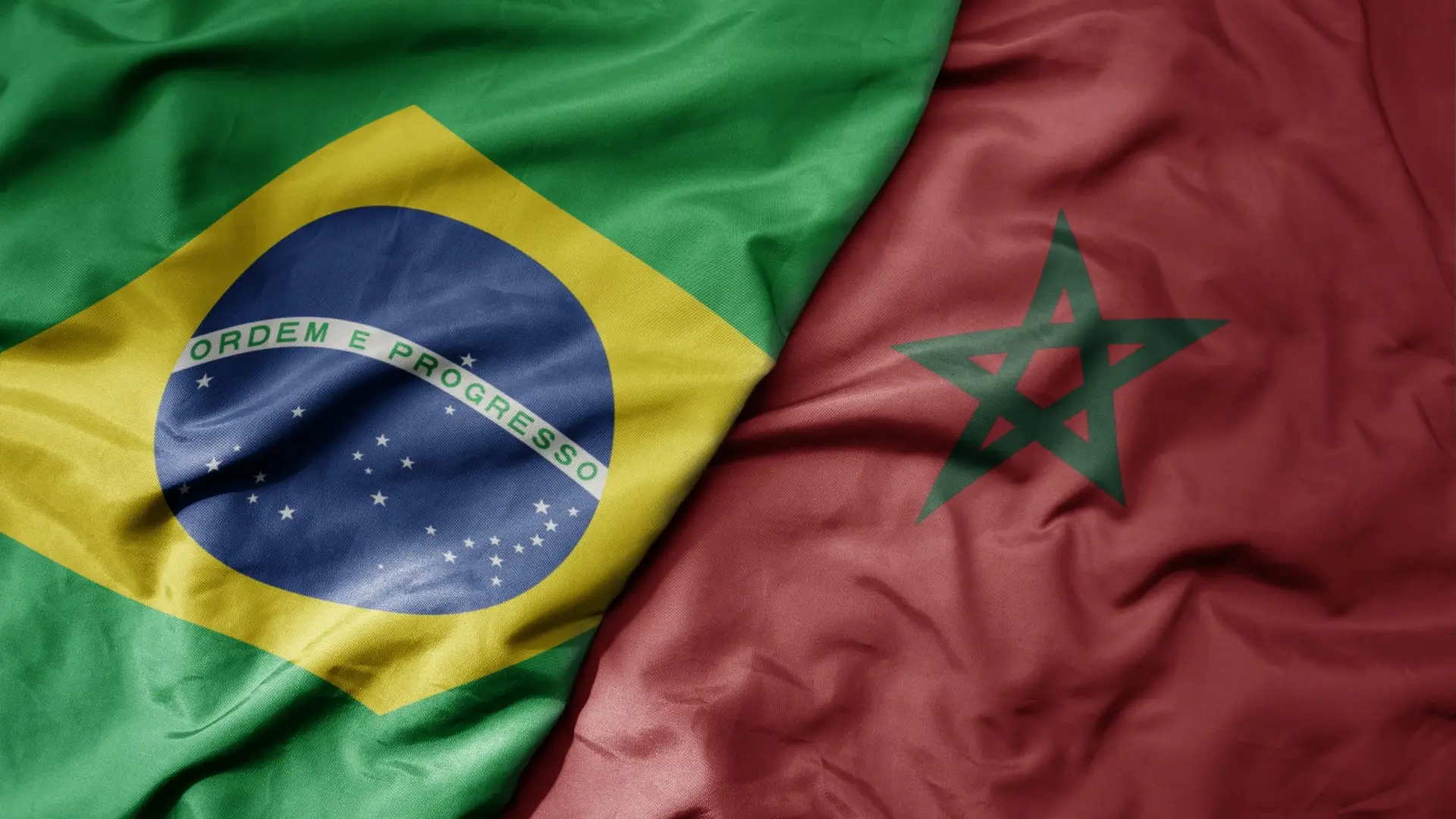
Five World Cup titles and a calf injury are not compatible at a tournament opener. Brazil have both.
Neymar won’t play today against Morocco. Neither will Rodrygo, Estêvão, Éder Militão, or Wesley. The absences don’t strip Brazil of world-class players. They still have Vinícius Júnior, who declared before the game that he’s here to win a sixth star, which is the kind of line that sounds good in press conferences and gets tested in ninety minutes at New York/New Jersey Stadium.
The absences complicate the first question: what does this team actually look like under Carlo Ancelotti when it’s patched and untested and playing Morocco?
Morocco is not a comfortable answer to that question.
Since 2022, they’ve beaten Spain, Portugal, and Brazil in Tangier in 2023. That was the first time that had ever happened, and it happened a year after they’d reached a World Cup semifinal. Morocco’s coach Mohamed Ouahbi, in the job three months, said this week, “There is no favorite team.” That’s either delusional or it’s accurate, and the results make a stronger case for the second.
The Achraf Hakimi matchup is most intriguing. Vinícius Júnior is Brazil’s most direct route toward Morocco’s goal. Hakimi is one of the few right-backs in the world whose speed and positional authority turn that route into a genuine contest.
The question is whether Vinícius can beat him, whether Brazil can sustain pressure through that flank without collapsing structurally, and whether they have the depth to find alternatives when it doesn’t open.
The historical frame offers one useful piece of context. In 1998, in France, Brazil beat Morocco 3-0. Ronaldo, Rivaldo, Bebeto. The names belong to a kind of footballing mythology; the scoreline belongs to a different era’s expectation. Twenty-seven years later, the same fixture carries none of that certainty. Brazil still wear the shirt. Morocco no longer accept the premise.
That’s the game. It’s ambition against ambition, with one side operating short-handed and the other operating with proof.