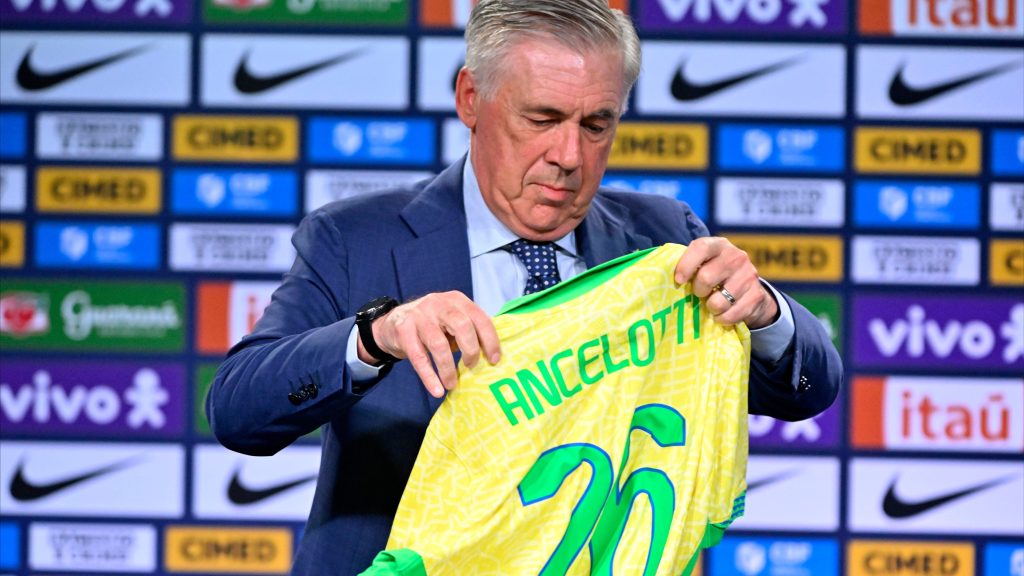
Brazil heads into the 2026 World Cup with its usual high expectations and some fresh changes. The team brings its legacy of five World Cup titles and a reputation as a benchmark in world football. What’s new is the tournament’s expanded format in North America and Brazil’s recent reset under coach Carlo Ancelotti, who was brought in after a turbulent qualifying campaign. Brazil is in Group C with Morocco, Haiti, and Scotland, and the tournament runs from June 11 to July 19, 2026.
To really follow Brazil, it’s important to know that their identity is shaped by more than just their trophies. After losing the 1950 World Cup at home to Uruguay, the CBF switched from the white kit. In 1953, a national newspaper contest led to the now-famous yellow shirt, blue shorts, and white socks. Designed by Aldyr Garcia Schlee, this look has become a symbol of the Seleção, easy to spot in any stadium or on TV.
The language around Brazil has also become part of football culture. The phrase “jogo bonito,” which means “the beautiful game” in Portuguese, is often used to describe Brazil’s expressive and skillful style of play. You don’t have to buy into any myths to see why Brazil’s matches get special attention for individual skill and creative attacking.
The location of the 2026 tournament is important for fans because it affects how you plan your trip or viewing schedule. With 48 teams and 104 matches in 16 cities across the United States, Canada, and Mexico, Brazil’s group stage games are all in the U.S. Instead of staying in one city, you’ll experience different host cities, each with its own stadium setup, transit options, and fan zones.
The team’s internal story is especially important this year. After a 4–1 qualifying loss to Argentina, Brazil let go of coach Dorival Jr. and brought in Carlo Ancelotti to bring stability before 2026. Early squads under Ancelotti have included Alisson, Casemiro, Vinícius Júnior, and Richarlison. Neymar’s return depends on his fitness after injuries and time away from the team. Young player Endrick is also in the spotlight, as he looks for more playing time ahead of the tournament.
A practical follow plan for Brazil in 2026
Begin with Brazil’s group stage schedule and the main locations for following the team. Brazil plays Morocco on Saturday, June 13, 2026, at MetLife Stadium in New Jersey at 6:00 PM. The second match is against Haiti on Friday, June 19, in Philadelphia at 9:00 PM ET. The third is Scotland vs Brazil on Wednesday, June 24, at Hard Rock Stadium in Miami at 6:00 PM. These three cities form the core of any plan to follow Brazil, whether you’re traveling or watching from home.
Next, consider what happens if Brazil advances. Knockout rounds affect your travel plans and ticket needs. According to the MLS schedule, the Group C winner plays in Houston on June 29, while the runner-up plays in Monterrey the same day. These locations help you decide if you’ll stay in one city or follow Brazil to a new region.
Ticketing requires its own strategy because the process can be complex and time-sensitive. The most important rule is to use FIFA’s official ticketing system, which starts by creating a FIFA ID and registering your interest. Even if you’re not buying right away, setting up your FIFA ID early helps you avoid last-minute stress. For premium tickets, FIFA’s hospitality options also follow official registration steps instead of informal resale.
If you’re heading to New York or New Jersey for the opener, you can plan your trip around MetLife Stadium and nearby official fan sites. The NYNJ Host Committee lists the FIFA Fan Festival at Liberty State Park in Jersey City from June 11 to July 19, 2026. There are also fan zones in Queens at the USTA Billie Jean King National Tennis Center from June 17 to 28, and a fan village at Rockefeller Center from July 4 to 19. These spots aren’t just alternatives to match tickets—they’re great for watching games during the day, on travel days, or when you want to avoid extra travel.
Philadelphia is Brazil’s second stop and offers one of the best setups for public viewing during the tournament. The Philadelphia Host Committee says the FIFA Fan Festival at Lemon Hill will be free and open to everyone, with watch parties and special events on match days. If you’re in town for Brazil vs Haiti, this fan festival is a great place to enjoy the rest of the tournament, especially if you only have one match ticket but want to stay involved all day.
Miami hosts Brazil’s third group match, and the city’s tournament events go beyond just the stadium. The Miami Host Committee lists Brazil vs Scotland on June 24 at Miami Stadium, and the official FIFA Fan Festival will be at Bayfront Park from June 23 to July 5. This timing is helpful for fans, as Bayfront Park’s events line up with Brazil’s time in Miami, making it easy to plan a week of match viewing and activities without having to move between different venues.
If you’re not traveling or want to watch locally, it’s good to have a couple of reliable options instead of relying on rumors. In New York City, Smithfield Hall is known for showing Brazilian football and Seleção matches, making it a top choice during the World Cup. In Miami, Boteco Miami also screens futebol games and livestreams matches, so it’s another solid option for official watch parties. For more choices, bar-finder tools like Fanzo let you search for venues showing Brazil games, which is handy when you want something nearby.
To keep up with Brazil day-to-day, focus on reliable sources. The team’s official channels are the best way to get updates on squad news, training, and match logistics. The CBF’s verified X account is @CBF_Futebol, and the Seleção’s Instagram is @brasil. On YouTube, the Confederação Brasileira de Futebol channel posts press conferences and training videos, which is a simple way to hear from Ancelotti directly. Combine these with FIFA’s official schedule and ticketing pages to stay informed and avoid unreliable information.
Finally, remember Brazil’s rivals, but don’t let it overshadow the tournament. Argentina is more than just a historic opponent—it’s linked to Brazil’s recent coaching changes after a 4–1 loss. Uruguay’s role goes back to the 1950 defeat that led to the famous canarinho kit. Morocco and Scotland bring their own challenges, while Haiti is a match where Brazil will aim to control the game and avoid mistakes. The best way to follow Brazil in 2026 is to see each match as a fresh chapter and view the tournament as a story unfolding in New Jersey, Philadelphia, and Miami before moving on.