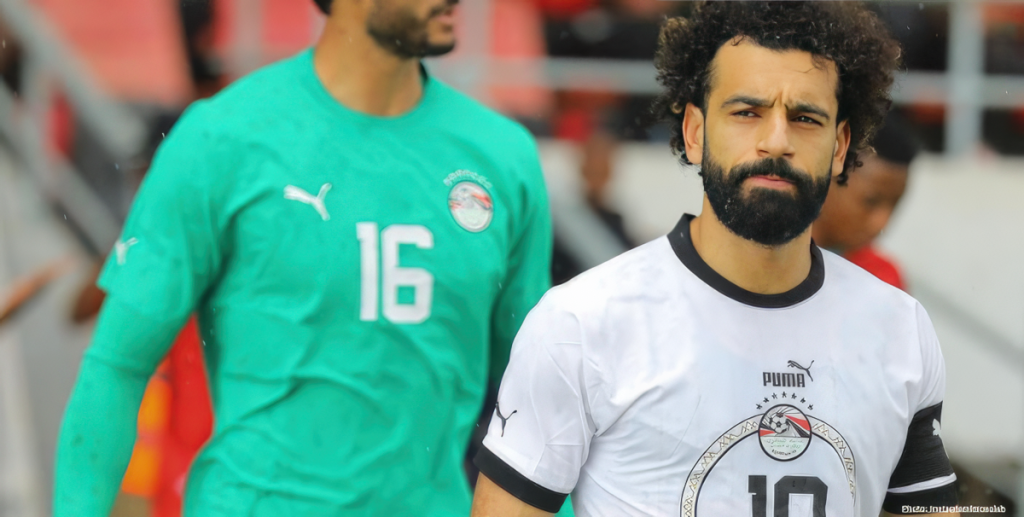
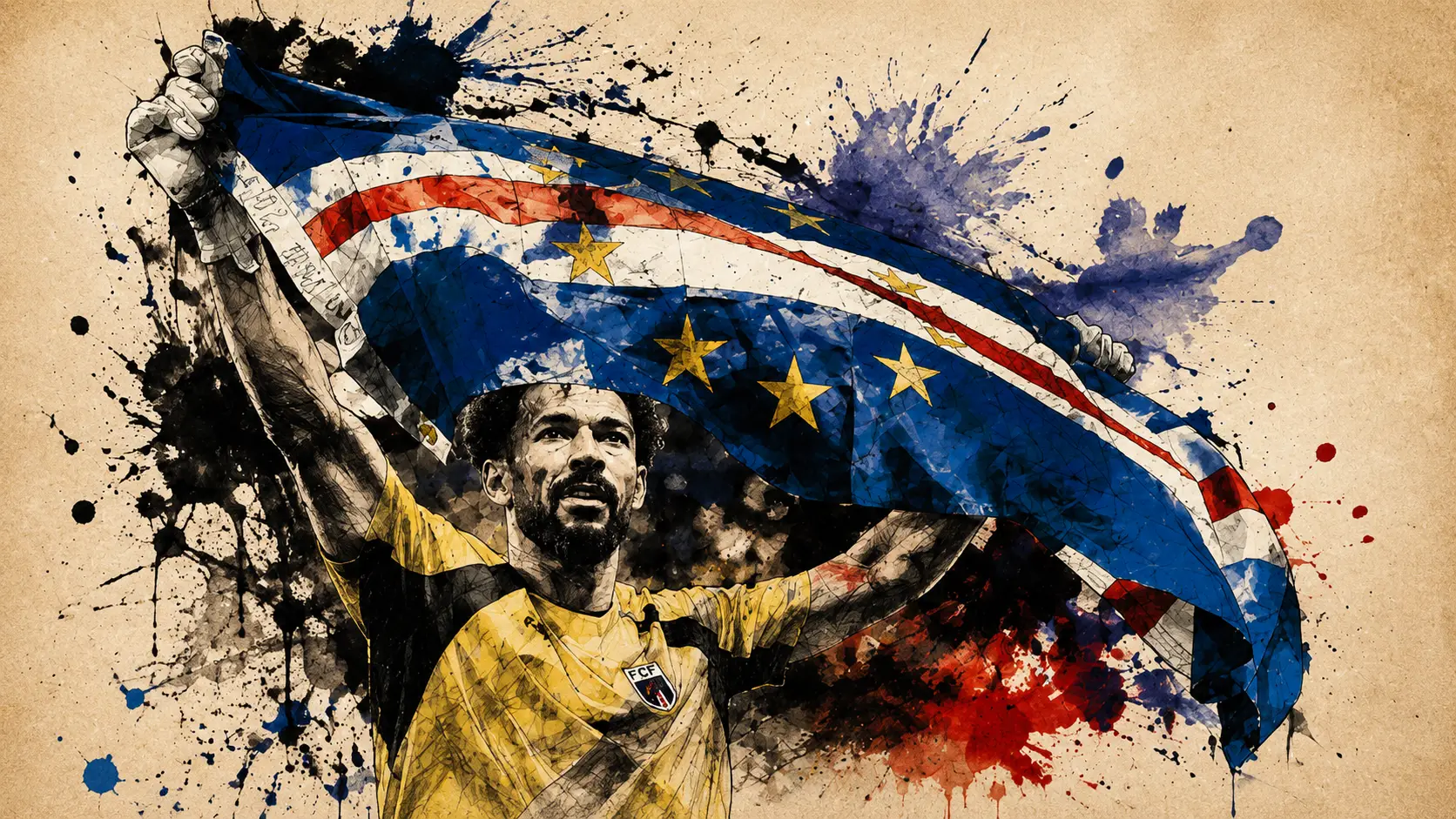
Cape Verde held Spain to a goalless draw in their World Cup debut. Vozinha, their goalkeeper, 40 years old and playing his club football at GD Chaves, was named player of the match.
By any ordinary measure, this is the story: a half-million-person archipelago country, on its first appearance at the tournament, holding one of the sport’s dominant nations for 90 minutes. Spain had 75 percent possession and 27 attempts. It got nothing.
But then Vozinha spoke. His mother couldn’t be there, he said, because of a visa issue and the cost associated with it. The U.S. State Department had imposed bond requirements on B1/B2 applicants from Cabo Verde beginning in January, with possible amounts of $5,000, $10,000 or $15,000.
There are World Cup waivers for immediate family members of athletes who meet the stated process. Whether his mother applied and was refused, or found the bond prohibitive before applying, isn’t publicly established. Vozinha said what he said.
It lands differently than the ordinary postgame flourish, the tearful athlete remembering a late parent, dedicating a performance to someone who can’t be present. Those moments have their own grammar. This one doesn’t. His mother is alive. The match was in America. The obstacles were administrative and financial, which meant they were, in theory, solvable. That’s what makes it harder to file away.
Sport has always had this capacity to concentrate a wider condition into a single face at a single moment. Vozinha made the saves that kept Spain out. He played every qualifying match. He built a career across decades in a sport that wasn’t going to hand him anything. At full time, he wept and explained who was missing.
There were two results from Atlanta. Cape Verde earned a point. Vozinha’s mother watched from somewhere else.