The easiest way to misread Spain is to see the ball and call it nostalgia. Luis de la Fuente’s side still wants long spells of possession, still leans on midfield rhythm, still forces opponents to defend with patience. But this is not an attempt to restore the Spain of 2008 to 2012. It is a more practical team, built around the same control but less tied to one speed.
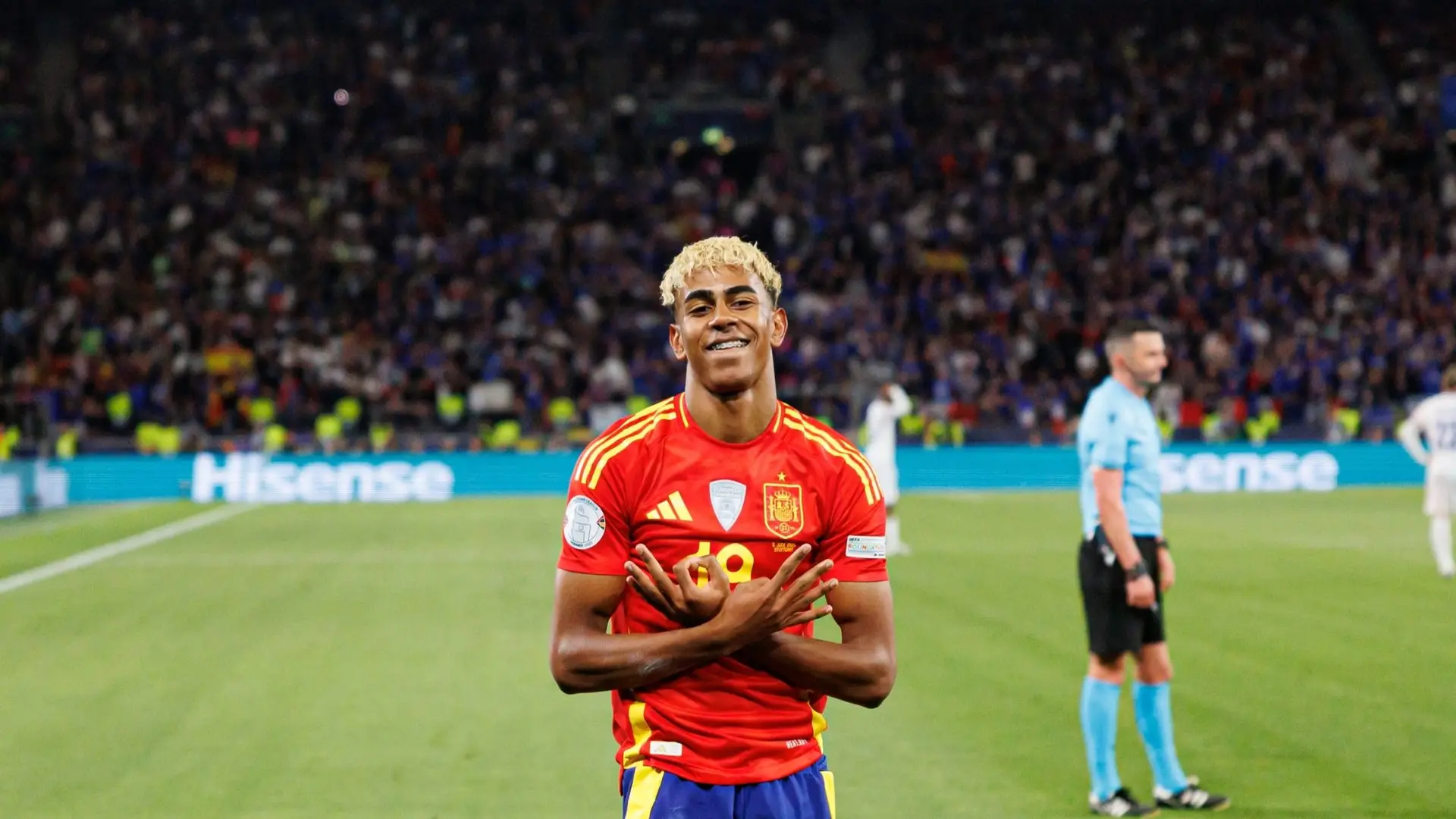
The difference starts wide. Lamine Yamal’s first World Cup will arrive after a European Championship that already moved him from prospect to senior difference-maker on the international stage. Nico Williams gives Spain a second route into the box, one that does not require 20 passes before a defender is forced to run toward his own goal.
That change was not cosmetic at Euro 2024. Spain won all seven matches, scored 15 goals and finished with Rodri, Yamal, Williams, Dani Olmo, Fabián Ruiz and Marc Cucurella in UEFA’s team of the tournament. A Spain team once defined by the security of the ball had added sharper first contacts in the attacking third. The ball still moved through midfield, but the threat arrived earlier.
The qualifying campaign kept the case intact. Spain sealed its place at the 2026 World Cup with a 2-2 draw against Turkey, finished unbeaten at the top of its group and extended its unbeaten run to 31 matches. That run does not settle a summer tournament, but it separates Spain from less-proven contenders. The argument is not potential. It is evidence.
The test starts before the knockouts
Group H should be navigable, though it is not empty. Cabo Verde qualified for its first World Cup by beating Eswatini 3-0 and finishing ahead of Cameroon. Saudi Arabia arrived through a 0-0 draw with Iraq, the kind of result that points toward a team comfortable living inside a narrow game. Spain should have too much quality for both, but those matches matter because control has to become goals before game state changes the calculation.
Uruguay is different. Marcelo Bielsa’s side qualified after finishing fourth in South American qualifying, and its place in this group gives Spain a real stylistic examination. Uruguay can make a clean possession game feel interrupted. Spain can make a pressing game feel overextended. That last group match in Guadalajara may determine much more than first place.
The bracket gives it weight. The Group H winner is scheduled to play the Group J runner-up in the Round of 32, while the Group H runner-up gets the Group J winner. With Argentina in Group J, finishing second could mean running into Argentina’s title defense before Spain has had time to grow into the tournament.
The Uruguay match, then, is not just a high-profile final game in the group. It may define Spain’s margin for the next two weeks. Winning Group H would not guarantee a clean route, because this expanded World Cup has more places for trouble to appear. Still, it would let Spain carry its own plan into the knockouts rather than start by solving someone else’s.
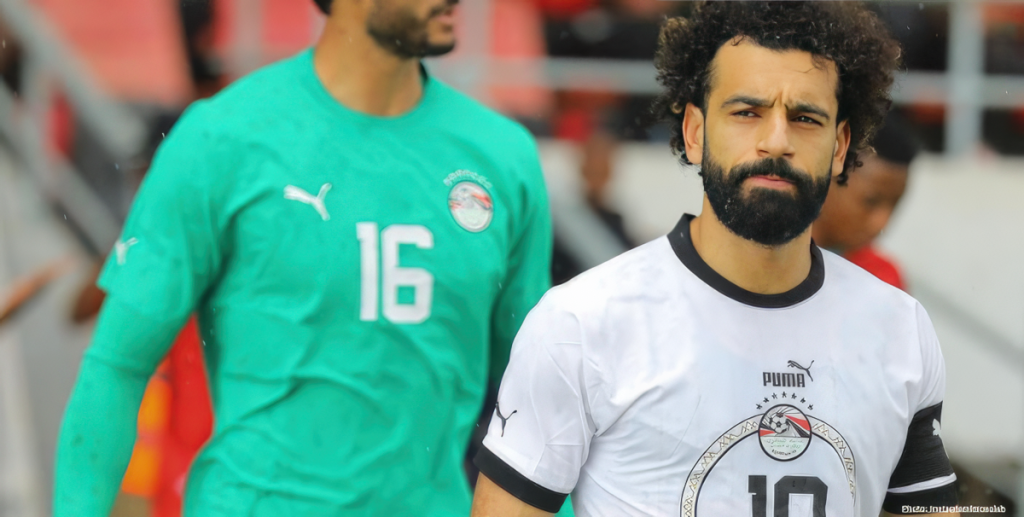
The warning sits in Spain’s own recent record. In March, Spain beat Serbia 3-0, then drew 0-0 with Egypt despite taking 25 shots. That draw did not erase the broader case, but it restored an old Spanish concern: territory can become theater if the final action is slow, hurried or imprecise.
Fitness is the other variable. Williams is expected to recover from a moderate hamstring strain before the World Cup, but the timing still matters. Yamal has also been dealing with a torn hamstring. Spain’s most convincing version depends on those wide players stretching the pitch, because they change what Pedri, Rodri and Fabián Ruiz can do behind them. When the wingers hold defenders deeper, Spain’s midfielders do not merely circulate the ball. They choose which gap becomes the next attack.
Spain’s title case is not perfection, and not a return to a museum version of itself. The case is balance. Rodri gives the side its floor. Pedri gives it timing. Yamal and Williams give it distance. Oyarzabal, Olmo, Ferran Torres, Zubimendi and the rest of the squad give De la Fuente enough options to change a match without changing the identity.
If Spain stay healthy and win the group, they will have the profile of a champion before the knockout draw begins to tighten. If they lose their width, waste their dominance or leave the Uruguay match as the runner-up, the same tournament can become much less forgiving. Spain does not need to be the old Spain to win this World Cup. It needs to keep proving that control now comes with speed.