Five confirmed arrivals have reshaped the squad, while unresolved moves for Yan Diomandé and Rodri could take Madrid’s potential summer outlay toward $300 million.
José Mourinho returned to Real Madrid after 13 years with a contract through June 2029. His 2011-12 champions reached 100 points and scored 121 league goals. The first transfer phase of his second spell has focused on balance, with additions intended to stabilize the areas around Madrid’s attackers.
By the end of July, Madrid had completed five first-team signings: Marc Cucurella, Bernardo Silva, Ibrahima Konaté, Denzel Dumfries and Carlos Espí. Each addresses a distinct role. There is a new left back, a center back with recovery speed, a direct right-sided runner, a senior midfielder who can slow a match down and a 21-year-old striker who offers a conventional penalty-area presence.
The reported fees show a window shaped by both expenditure and timing. Cucurella cost about $63 million guaranteed, with another $6 million possible in add-ons. Dumfries arrived after Madrid triggered a clause worth roughly $23 million, while Espí’s clause was reported at about $29 million. Bernardo and Konaté joined after their contracts at Manchester City and Liverpool expired. On reported fixed fees, Madrid has committed about $115 million, before bonuses and the separate costs attached to free-agent deals.
Cucurella, Konaté and Dumfries make Madrid more secure when its shape stretches. Cucurella can press high or move inside, Konaté can defend the space behind advancing fullbacks, and Dumfries supplies direct running and box entries from the right. Bernardo Silva’s move to Real Madrid adds a different kind of control. He can start from the right, work as an interior or help Mourinho manage possession without asking every attack to become a sprint.
Espí is the exception to a group largely built for immediate results. Madrid signed him through 2031 after 20 goals in 66 Levante appearances and after he was named the league’s best under-23 player last season. At 6-foot-4, he gives Mourinho a true center-forward alternative, but his age and five-year contract point to development as much as immediate output. Madrid has built across two timelines, adding established players for the present while reserving one place for growth.
Diomandé and Rodri could redefine the window
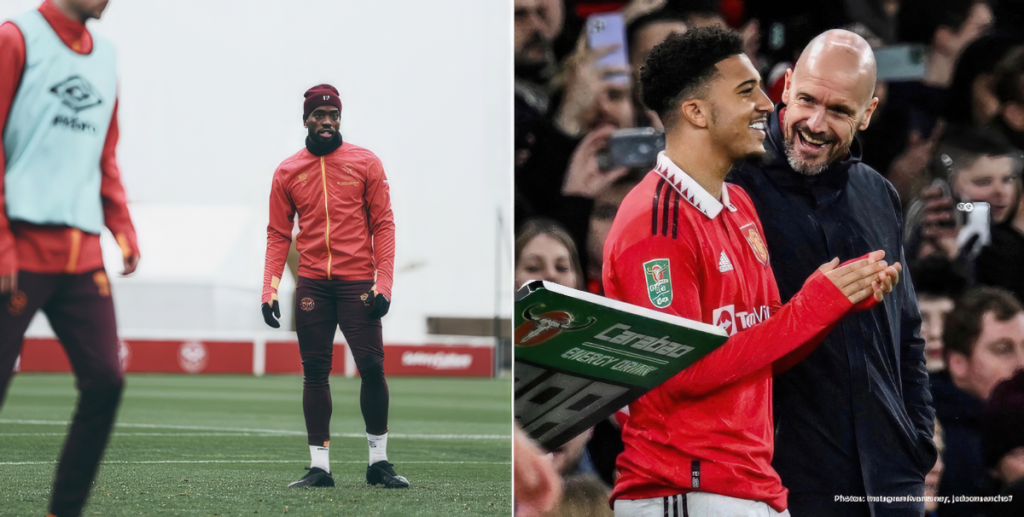
Yan Diomandé is the clearest active pursuit, but he isn’t a Real Madrid player. RB Leipzig rejected an opening proposal reported at roughly $104 million plus $12 million in add-ons. Earlier reports described personal terms as agreed and a medical as likely. Leipzig’s managing director later denied that the transfer had reached agreement. The 19-year-old has returned to training in Germany, and any successful deal would likely exceed $115 million.
Rodri is the more strategic, and more complicated, possibility. Reporting around Real Madrid’s pursuit of Rodri says Mourinho has pushed the club to consider a deal. Manchester City is said to value the midfielder at about $86 million, while Madrid hopes to bring the figure closer to $69 million. No bid, club agreement, personal agreement or medical has been confirmed. Rodri also has one year left on his City contract and is recovering from a minor back procedure, factors that shape both price and risk.
Alessandro Bastoni belongs in a different category. The Inter center back remains a conditional option, reportedly valued near $81 million, but Madrid has made no formal approach. His agent has said no serious consideration has been given to leaving Italy, and a defensive departure would probably be required before Madrid acted.
Real Madrid has publicly rejected the two most widely circulated alternative links. The club formally denied making direct or indirect contact over Michael Olise, then issued another statement saying it had neither tried nor intended to sign Enzo Fernández. Diomandé remains active but unresolved, Rodri is a serious possibility without a completed negotiation, and Bastoni is a contingency.
Madrid also has more room to spend after generating roughly $223 million in reported gross academy-related transfer value this summer. That figure isn’t equivalent to cash profit because several deals include retained percentages, buyback options or future rights. It shows how La Fábrica is serving as both a talent pipeline and a source of financial room.
The additions support a team that can use a 4-2-3-1 in possession and settle into a 4-4-2 without the ball. Cucurella, Konaté and Dumfries protect and stretch the outer lanes. Bernardo gives the midfield another organizer. Espí offers a different reference point up front. Diomandé would add isolation skill and speed on the right, while Rodri would give the double pivot a fixed reference when possession turns over.
If neither major target arrives, Madrid will still have completed a substantial, role-specific rebuild. If both arrive near the figures currently discussed, the club’s reported summer outlay would approach $300 million and the squad would carry a stronger short-term emphasis. Madrid has already added five players during Mourinho’s second spell. The rest of the window will show whether the structure is considered complete or whether the club is prepared to spend well beyond its current commitment to finish it.