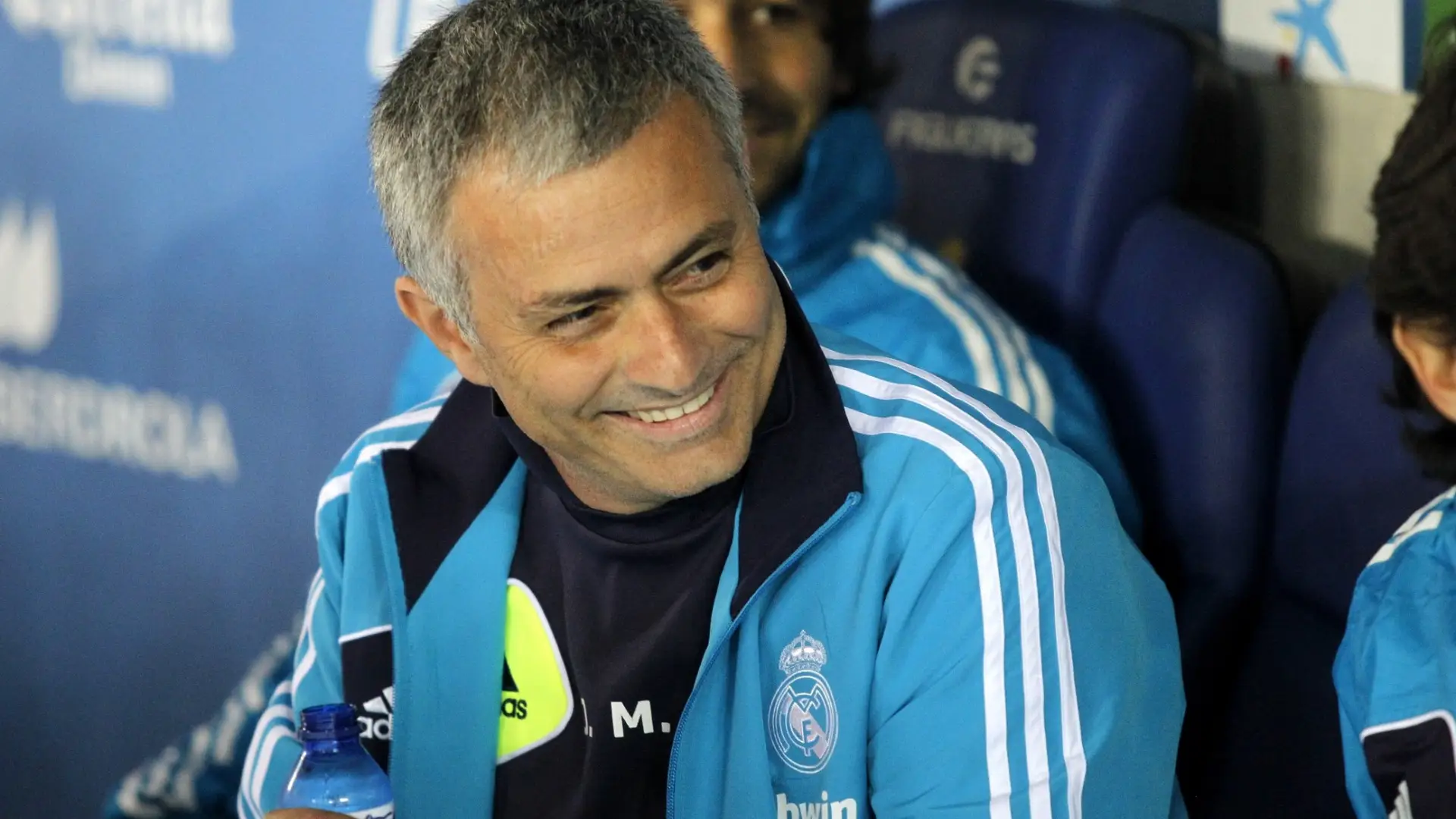
Real Madrid has gone back to the one coach it was never supposed to need again. Thirteen years on, José Mourinho returns to the Bernabéu – not as a nostalgia act, not as a statement of ambition, but as a frank admission that the club has run out of more elegant solutions.
The deal is official. Three seasons, through June 2029, with preseason beginning July 13. Madrid paid Benfica roughly $17.3 million to end his time in Lisbon, where Marco Silva steps in as replacement. The transaction was clean, quick, and somewhat unromantic. That suits everyone involved.
The context demands some plain language. Barcelona have won back-to-back La Liga titles. Madrid haven’t cleared the Champions League quarterfinals in two straight seasons. Xabi Alonso was dismissed in January. Álvaro Arbeloa held the interregnum and changed little. A club of Madrid’s particular vanity can’t sustain that run without deciding, at some level, that control matters more than style. So they called Mourinho, because he – Mbappe – is the king egoist in the locker room.
The ‘Special One’s’ first Madrid spell produced the Copa del Rey in 2011 and La Liga in 2012 – the 100-point season that remains the single most dominating domestic campaign in the club’s modern history. Madrid didn’t win with beauty that year. They won with pace, defensive discipline, and an almost contemptuous efficiency in transition. Mourinho turned them into a team that punished other teams’ mistakes without requiring the ball at every moment.
That version of Madrid found its ideal expression in a particular kind of football. Wide wings, a controlling midfield, a front three built to run in behind. It worked because the squad had those properties. Özil threaded through the lines. Ronaldo and Di María moved in channels. The structure matched the personnel.
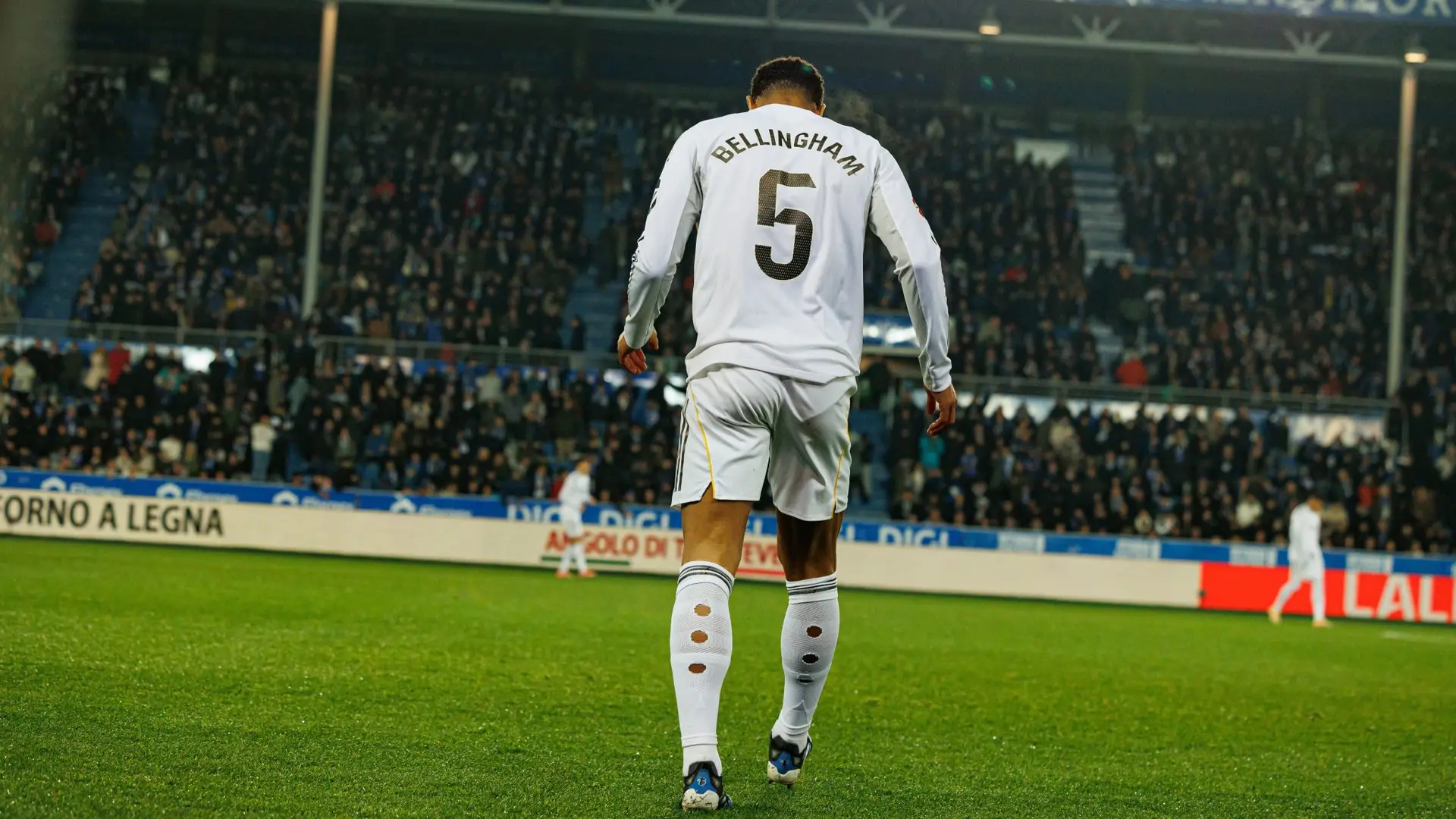
This squad is different, and the challenge is real. Mbappé, Vinícius Jr., and Bellingham represent a front-to-mid triangle of unusual power – individually brilliant, collectively still finding register. Mourinho has never managed players quite of this type in combination. Whether he can impose enough structural clarity on that group without dampening what makes each of them valuable is the central tactical question of this appointment. It won’t be answered at preseason.
Mourinho’s never really offered creativity. He remains obnoxiously strict. When Madrid drift – and they have been drifting – they need someone who arrives in the morning with a plan and closes the dressing room door until the plan is understood. That quality has never left him.
Benfica complicates the triumphalist reading of this comeback. Mourinho guided them through an unbeaten league season, and they still finished third. He’s still the one who can work miracles.
Madrid are betting that their talent is sufficient. That if Mourinho provides structure, Mbappé provides goals, Vinícius provides chaos, and Bellingham provides intelligence, the combination adds up to trophies. It might. The squad is surely good enough for that bet to pay off.
But bets are bets. Mourinho’s relationship with authority – his own as much as anyone else’s – has been a recurring subplot at every club since his second Chelsea stint. A dressing room containing three of the most recognizable footballers in the world, each with an opinion about how they should be used, will test Mourinho’s elasticity.
The club hired Mourinho to win, plain and simple, in a situation where losing out to Barca has already gone on too long. The latter pray the ship sinks further. Mourinho’s Real Madrid 2.0 awaits.