
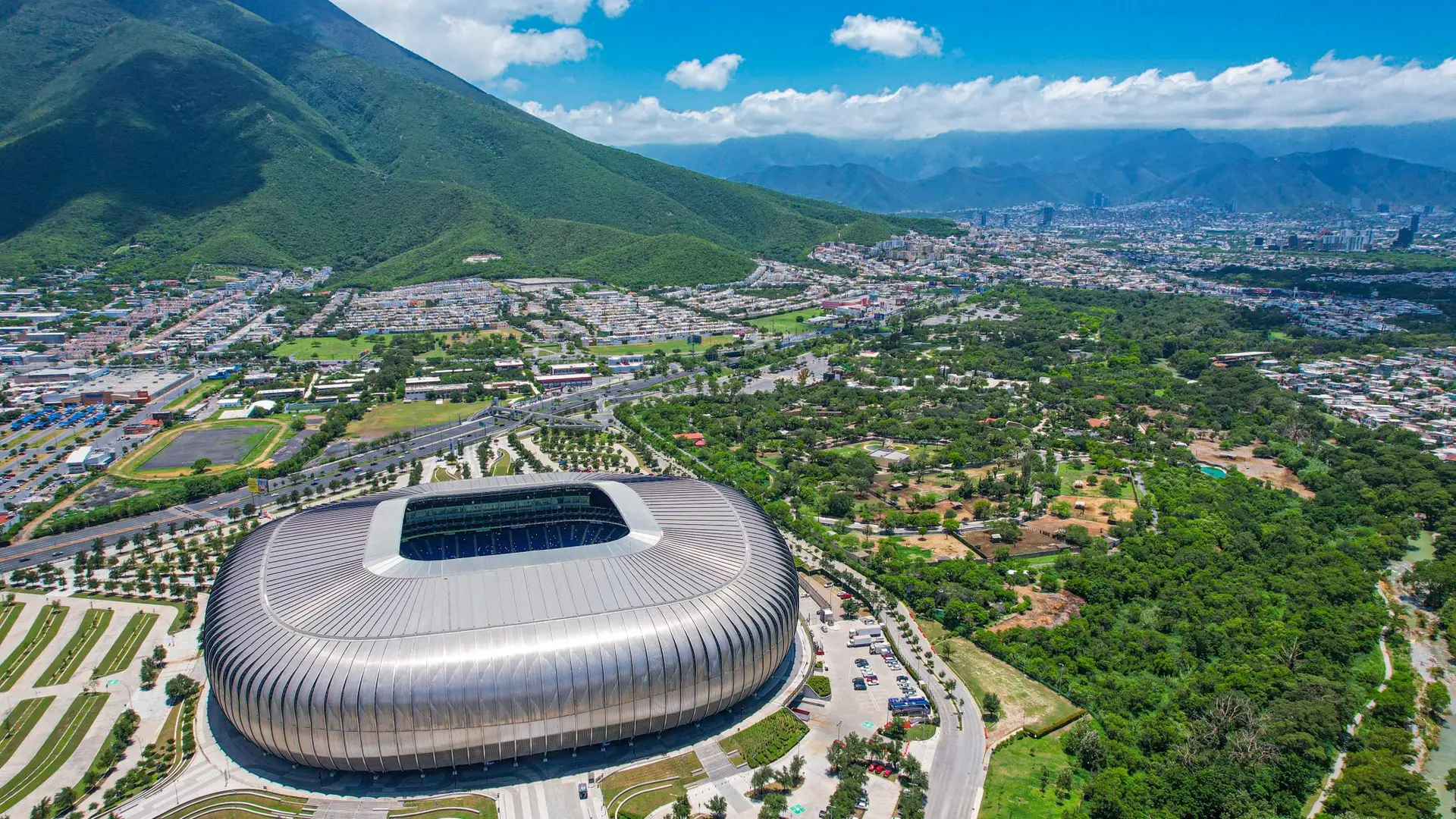
Monterrey will host four FIFA World Cup 2026 matches in June, giving northern Mexico one of the tournament’s most distinctive settings: a modern stadium in Guadalupe, a major fan festival at Fundidora Park, and a mountain-framed city known for football, steel, museums, and northern Mexican food.
For visitors, the smartest plan is to build the trip around three anchors. Estadio Monterrey is where the matches happen. Fundidora Park has been confirmed as the home of the Monterrey FIFA Fan Festival. The Santa Lucía–Centro corridor connects many of the city’s most useful visitor stops, including museums, public spaces, restaurants, and access points near Fundidora.
Monterrey is not a city to leave to chance. June will be hot, matchdays will be crowded, and the stadium is outside the central tourist core. Plan your base, transit, and non-match days early, then leave room for official transport and Fan Festival updates closer to the tournament.
Monterrey World Cup 2026 match schedule
All four Monterrey matches will be played at Estadio Monterrey, the tournament name for the stadium widely known as Estadio BBVA. The venue is in Guadalupe, east of central Monterrey.
Current Monterrey World Cup 2026 fixtures:
| Date | Match | Stage | Local kickoff |
|---|---|---|---|
| June 14, 2026 | Sweden vs. Tunisia | Group F | 8:00 p.m. |
| June 20, 2026 | Tunisia vs. Japan | Group F | 10:00 p.m. |
| June 24, 2026 | South Africa vs. Korea Republic | Group A | 7:00 p.m. |
| June 29, 2026 | Group F winner vs. Group C runner-up | Round of 32 | 7:00 p.m. |
The June 20 match is the one to circle. Tunisia vs. Japan is scheduled to be the 1,000th match in FIFA World Cup history, making Monterrey part of a major tournament milestone before the knockout round even begins.
Estadio Monterrey: the World Cup stadium in Guadalupe
Estadio Monterrey opened in 2015 and has a listed capacity of 53,500. The stadium is often called El Gigante de Acero, or “The Steel Giant,” a nickname that fits a city shaped by industry, mountains, and football.
The venue is one of Mexico’s most modern football stadiums. It has LEED Silver certification and is being prepared for World Cup conditions with a field system that includes ventilation and vacuum infrastructure beneath the pitch. The playing surface is planned as a hybrid system, mostly natural grass with a small synthetic component.
For fans, the most important detail is location. Estadio Monterrey is in Guadalupe, not downtown Monterrey. That makes matchday planning essential. Expect security perimeters, controlled walking routes, traffic restrictions, and longer-than-normal travel times. Even if a route looks simple on a regular day, World Cup matchdays will work differently.
Fundidora Park and the Monterrey FIFA Fan Festival
The clearest off-stadium anchor is Fundidora Park, the confirmed home of Monterrey’s FIFA Fan Festival. The current host-city plan describes a 39-day Fan Festival with a goal of bringing together more than 2 million fans.
That makes Fundidora the safest place to plan around if you are visiting without tickets to every match. It should be the city’s main public gathering point for live screenings, fan programming, music, food, and tournament atmosphere, though exact schedules and entry details still need to be confirmed.
Fundidora is also more than an event site. It is a former industrial complex turned urban park, which makes it one of the best places to understand Monterrey’s identity. It connects naturally with Horno3, Arena Monterrey, Cintermex, and the Santa Lucía route toward the historic center.
Where to stay in Monterrey for World Cup 2026
A Monterrey World Cup trip works best when you choose your hotel by geography, not just by price or rating. The city is large, and the best base depends on how you plan to spend your days.
Centro, Barrio Antiguo, and the museum corridor are strong choices for visitors who want a walkable non-match experience. This area keeps you close to the Macroplaza, MARCO, Barrio Antiguo nightlife, the Mexican History Museum area, and the western side of the Santa Lucía route. It is the best base if you want your trip to feel like a city break, not only a stadium commute.
Fundidora and the Santa Lucía corridor make sense for fans who expect to visit the Fan Festival often. You will be close to Fundidora Park, Horno3, Arena Monterrey, and the canal route into the center. This is especially practical for families, groups, and visitors who want a mix of green space, culture, and World Cup activity.
Guadalupe and the stadium area are best for short trips, multi-match stays, or fans who want the simplest game-day routine. The tradeoff is that you may spend more time traveling to Centro, Barrio Antiguo, Fundidora, or San Pedro on non-match days.
San Pedro Garza García and Valle Oriente are better for travelers who want upscale hotels, restaurants, business-district comfort, and a quieter base. The downside is distance. San Pedro can be comfortable, but it is not the most direct choice for either Fundidora or the stadium.
Getting around Monterrey during the World Cup
Monterrey’s main public transport system is Metrorrey, which operates Metro and Transmetro services. Visitors can use the Tarjeta Me Muevo card or pay through QR-code options supported by local apps. For World Cup travelers, the key is not just whether a hotel is “near transit,” but whether the route is simple.
For Estadio Monterrey, Exposición station on Line 1 is the key metro stop. Under normal conditions, it is a short walk from the stadium area. On matchdays, expect the route to feel slower and more controlled because of crowds, security checks, and pedestrian management.
For Fundidora Park, transit access is generally easier because the park sits closer to the city’s central visitor corridor. Still, Fan Festival days may bring heavy crowds, so avoid scheduling tight transfers between sightseeing, hotels, and match events.
The best rule is simple: choose a hotel that gives you a straightforward route to your main priority. If you care most about matches, think about the stadium commute. If you care most about daily events, think about Fundidora. If you care most about museums, food, and nightlife, think about Centro or Barrio Antiguo.
What to do between matches
The easiest non-match route is the Santa Lucía–Fundidora–Centro corridor. Paseo Santa Lucía links Fundidora Park with the museum district and gives visitors a scenic way to move between some of Monterrey’s most useful cultural stops.
At Fundidora, Horno3 is one of the strongest stops because it connects the city’s industrial history to the place visitors will already be using for World Cup events. Rather than feeling like a separate museum errand, it fits naturally into a Fan Festival day.
For contemporary art, MARCO is the city’s clearest reference point. For historic and cultural context, the museum area around the Macroplaza and Santa Lucía gives visitors an easy route through Monterrey’s center.
Food should be part of the itinerary. Cabrito is the traditional local specialty most visitors will hear about first, but Monterrey’s food culture is also built around carne asada, flour tortillas, grilled meats, and long meals shared with friends. A good Monterrey trip should leave room for at least one proper northern Mexican meal away from the stadium rush.
For a break from the tournament, look toward the mountains. Cerro de la Silla is the city’s most recognizable natural symbol, while mountain areas around Monterrey offer views, hiking, and a reminder that this is one of Mexico’s most dramatic urban landscapes. In June, though, outdoor plans should be early in the day and built around heat, water, and shade.
June weather: plan for heat
Monterrey in June is hot. Daily highs are commonly in the 90s Fahrenheit, and some days can feel even more intense depending on sun exposure and humidity. This matters for every part of a World Cup itinerary.
Do not treat Fundidora Park like an all-day outdoor hangout without a heat plan. Bring breathable clothing, sunscreen, a hat, sunglasses, and a refillable water strategy where allowed. Build your day around morning sightseeing, afternoon rest, and evening events whenever possible.
The late kickoff times may help with stadium comfort, but they also affect logistics. The June 20 match starts at 10:00 p.m. local time, which means fans should plan their return route before leaving for the match, not after the final whistle.
Safety and logistics
Travelers should check current advisories before departure and again during the trip. Nuevo León is generally treated differently from higher-risk border areas, but visitors should still exercise caution, especially with night travel, highway routes, and unfamiliar areas.
The biggest practical takeaway is to keep late-night plans simple. Use trusted transport, avoid unnecessary night highway drives, and do not build an itinerary that depends on figuring everything out after a late match.
For road trips, be especially cautious with routes between Monterrey and the border. The Monterrey–Reynosa highway has had specific night-travel warnings, so visitors should avoid casual overnight driving and keep intercity movement to daylight hours whenever possible.
What still needs to be confirmed
Some important details are still developing. The full Monterrey Fan Festival schedule has not been finalized publicly. Additional official viewing sites may still be announced. Matchday shuttle routes, road closures, public transport adjustments, and stadium security procedures may also change as the tournament gets closer.
That does not mean visitors should wait to plan. It means the best plan is flexible. Book around the known anchors now: Estadio Monterrey, Fundidora Park, and the Santa Lucía–Centro corridor. Then adjust details when official city and FIFA operations are released.
Bottom line
Monterrey is one of the clearest World Cup 2026 host cities to plan around. The match venue is set, the Fan Festival anchor is named, and the city has a natural visitor corridor connecting Fundidora Park with museums, food, and downtown landmarks.
The city’s appeal is also specific. Monterrey is not trying to be Mexico City or Guadalajara. It is a northern city of steel, mountains, football, heat, cabrito, and modern industry. For World Cup visitors, that combination gives the trip a strong sense of place.
Plan around Estadio Monterrey, Fundidora Park, and the Santa Lucía–Centro corridor, and the city becomes much easier to navigate. With the 1,000th World Cup match, a major Fan Festival, and a stadium framed by one of Mexico’s most recognizable landscapes, Monterrey should be one of the tournament’s most memorable stops.