Football rarely offers a clean measure of how long someone has been at it. Sure, all those injuries, scars, and bald spots are telling. Caps also contribute, but they’re abstractions. Perhaps the most telling reminder is what happens when footballers across generations share the same pitch.
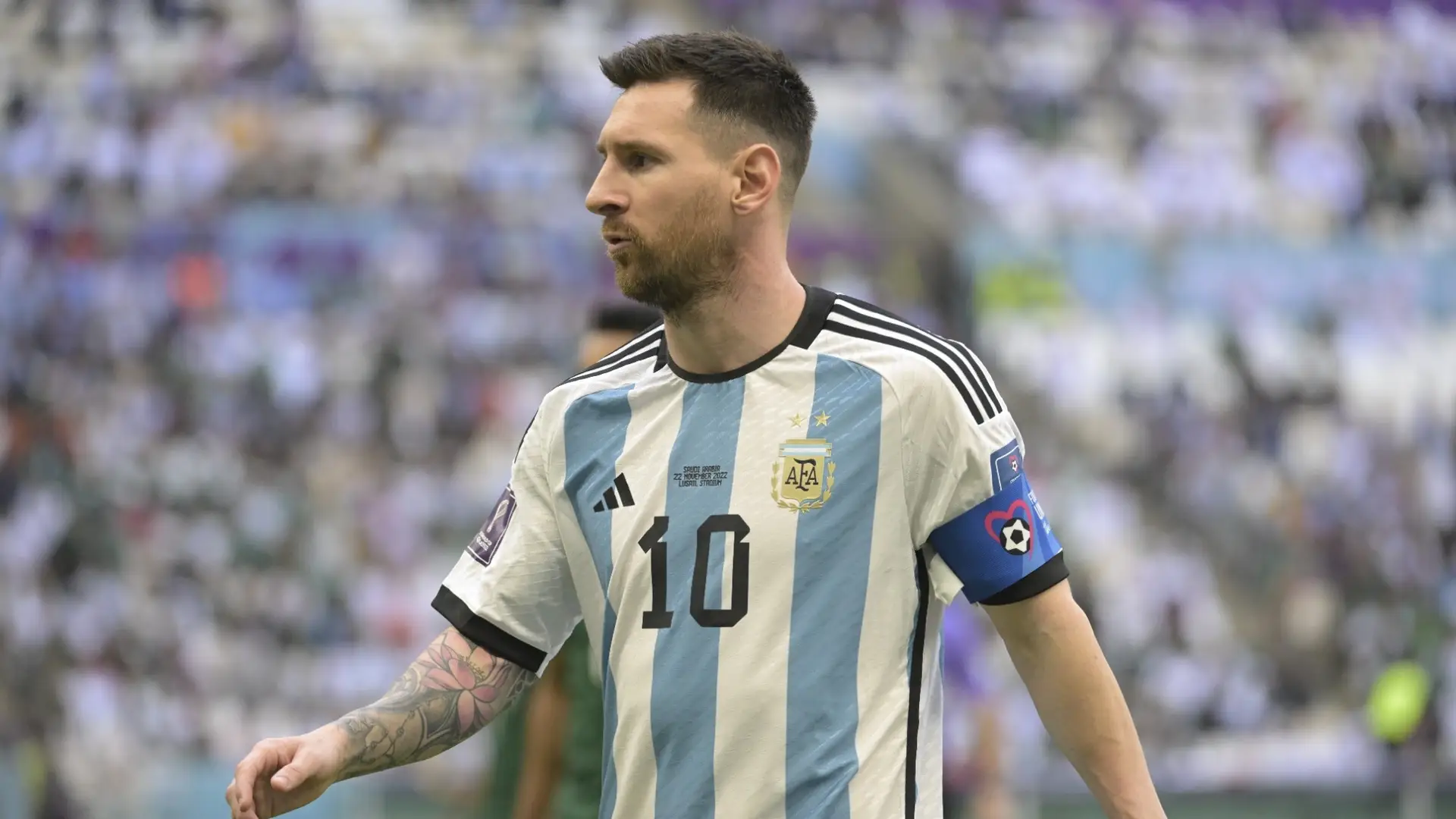
Argentina beat Iceland 3–0. Messi entered in the 70th minute, scored from the spot two minutes later, and the match proceeded toward its forgone conclusion. Then, in the 81st, Iceland made a change. On came Daníel Tristan Guðjohnsen, 20 years old, forward for Malmö FF, wearing his father’s surname in front of a player who once wore his father’s shirt.
The father is Eiður Guðjohnsen. From 2006 to 2009, Eiður was a Barcelona teammate of the much younger Messi – part of the 2008–09 side that won La Liga, the Copa del Rey, and the European Cup.
He made 114 official appearances for the club, scored 19 goals, and was around for the seasons when Messi was still becoming what he would later be. Daníel was born in London in 2006, the same year his father arrived at the Camp Nou. He then followed a route of his own – La Masia at nine, 34 goals in 31 matches that first Barcelona season, a stint at Real Madrid’s academy, then Malmö.
There is a family strand to this beyond even that. Eiður made his Iceland debut at 17 by replacing his own father, Arnór, on the pitch – two Guðjohnsens on the same field, briefly, then the older one off. Daníel didn’t replicate that exact ceremony with Messi. He walked onto a pitch that contained a player who had shared a dressing room, and apparently a mutual influence, with his father. The generational handoff was oblique. Football usually is.
Messi is 38. He’s contesting a sixth World Cup and defending a title he won in 2022 at an age when most players are commentating on the sport rather than playing it. Think of who he broke in beside at Barcelona – Ronaldinho, Samuel Eto’o, Thierry Henry, Eiður Guðjohnsen – and the period feels less like a chapter than a dynasty. Daníel Guðjohnsen wasn’t born for most of it.
In 2006, Eiður arrives at Barcelona; Daníel is a newborn. In 2026, Daníel takes the field against Messi in an Iceland shirt. Twenty years. One player’s beginning, the other’s approaching end.
Football rarely gives chronology such a clean shape. This was one of the exceptions.