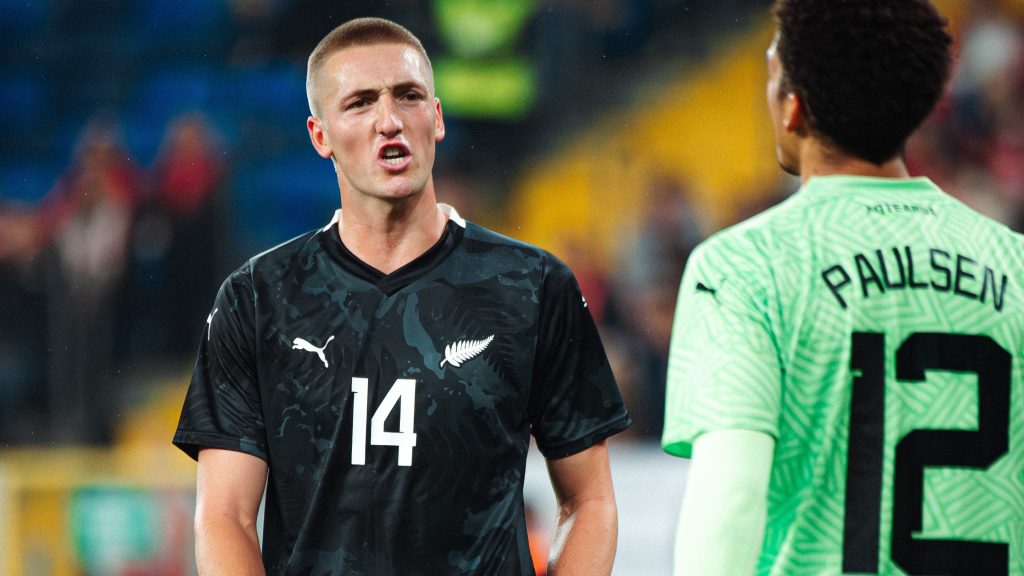
New Zealand’s men’s team is returning to the FIFA World Cup for the first time since 2010. This is only their third appearance, making it feel more like a fresh start for the program than a regular event.
The team’s identity is straightforward. Their nickname, the All Whites, comes from their all-white kit, which became famous during their run to Spain 1982. It’s seen as football’s version of the All Blacks name in rugby.
Looking back, New Zealand’s last World Cup in 2010 was unique. They didn’t lose any group stage games, drawing with Slovakia, Italy, and Paraguay, but still didn’t advance. It shows how small the margins are when only three matches decide everything.
The path to 2026 was influenced by the tournament’s new format. With 48 teams, Oceania got a direct spot. New Zealand secured it in March 2025 by beating New Caledonia 3–0 in the OFC final at Eden Park.
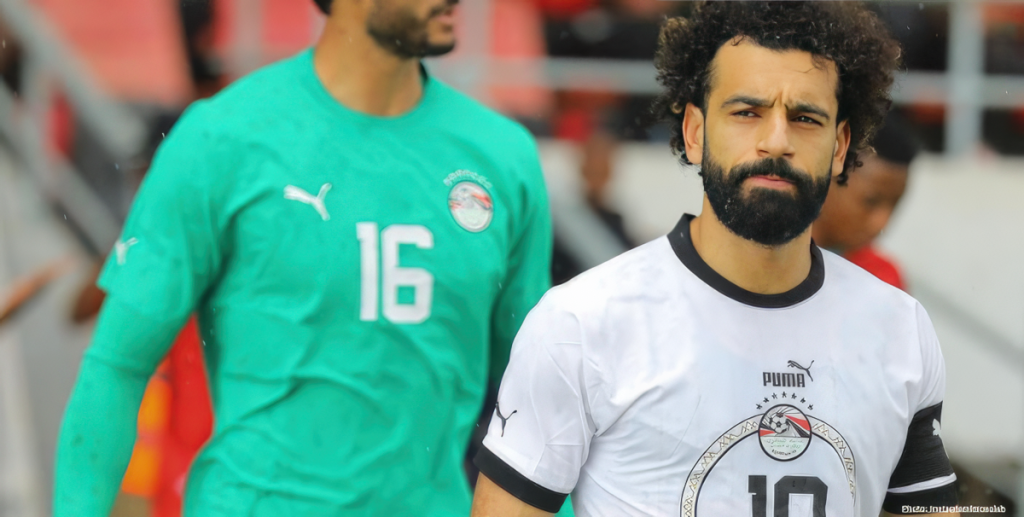
New Zealand is in Group G with Belgium, Egypt, and IR Iran. This makes it easier to follow the team in 2026, since you’ll want to know not just the opponents, but also where the matches are and how to keep up with tickets, broadcasts, and the squad as June gets closer.
What the schedule, ticketing, and key players tell you about New Zealand’s tournament
New Zealand’s group stage is simple compared to most World Cups. All three games are on the West Coast of North America: one in the Los Angeles area and two in Vancouver. They play IR Iran at SoFi Stadium in Inglewood on June 15 at 6 p.m. local time, then Egypt at BC Place in Vancouver on June 21 at 6 p.m., and finish against Belgium in Vancouver on June 26 at 8 p.m.
For fans in New Zealand, the match times are consistent. The opener in Los Angeles is on June 16 at 1 p.m. New Zealand time. The Egypt game in Vancouver is June 22 at 1 p.m., and the Belgium match is June 27 at 3 p.m. This regular timing makes it easier to plan your viewing around midday and afternoon, instead of having to watch in the middle of the night.
Many people think buying tickets is a one-time thing, but it’s actually a process. New Zealand’s supporter system uses Football Whānau and the Football Whānau Priority Pass, which links to FIFA’s official ticket sales. As of January 2026, the Priority Pass registration is closed, so most fans will need to use FIFA’s general public sales. New Zealand has also used a code-based system for supporter sales, with limited tickets, set timeframes, and a need to request tickets through FIFA’s portal instead of directly through the federation.
Travel planning is separate from ticketing. House of Travel is the official travel partner for supporters, but booking with them doesn’t guarantee you’ll get match tickets. Think of travel and tickets as two separate things. Try to arrange your flights and accommodation for Los Angeles and Vancouver early, but make sure your ticket plans follow the official World Cup sales process.
If you’re watching from home in New Zealand, it’s simple. TVNZ has the rights for the 2026 World Cup, and all 104 matches will be shown on TVNZ 1 and TVNZ+. This means more people can watch than in past years, and you won’t need several subscriptions to follow the whole tournament.
For daily updates, use the main channels so you get information directly. The main New Zealand Football account on X is \@NZ_Football. The All Whites also have an official Instagram, and New Zealand Football runs a YouTube channel with team videos, announcements, highlights, and behind-the-scenes content.
Understanding the squad makes New Zealand’s tournament clearer. Chris Wood is the captain, the most well-known player, and the all-time top scorer for the men’s team. In the World Cup, he’s the main tactical focus. Most of New Zealand’s best attacks involve him, either finishing chances or helping set up teammates.
Besides Wood, there are other key players who help New Zealand move from defense to attack. Sarpreet Singh is a creative midfielder known for linking play and making the final pass. Liberato Cacace is a fullback with top club experience. In midfield, Joe Bell and Marko Stamenić are important for helping New Zealand control the game and create chances, even if they don’t always make the highlights.
The team can also get important goals from players outside the forward line. In the OFC final, Michael Boxall scored a key goal as New Zealand won 3–0. This shows that goals can come from set pieces, loose balls, or moments when a defender or midfielder changes the game.
You don’t have to guess about matchday culture when following New Zealand. The nickname says it all: white is the kit color most linked to the All Whites. One of the most popular supporter songs comes from Spain 1982, which is why that tournament is still part of the team’s story. If you’re traveling, Flying Kiwis FC is a fan group that organizes meet-ups for away matches.
If you’re following in host cities without a ticket, Vancouver’s official plans include a FIFA Fan Festival site at the Pacific National Exhibition grounds during the tournaIf you’re in the host cities without a ticket, Vancouver will have a FIFA Fan Festival at the Pacific National Exhibition grounds during the tournament. New Zealand is also planning fan zones and community events in host cities, with more details expected closer to the tournament. Australia runs back more than a century and has been formalized again in recent years through the revived Soccer Ashes trophy. It’s not a Group G storyline, but it remains the most familiar measuring stick in the region, and it helps explain why New Zealand’s return to the World Cup carries more than simple qualification pride.
To follow New Zealand well in 2026, you do not need to romanticize the team or pretend the margins are bigger than they are. You need the dates, the cities, the ticketing process, the broadcast home, and a short list of players who shape how the team plays. The 48-team format creates more paths out of the group, including advancement for some third-place finishers. For New Zealand, that makes the target clearer. The tournament is not only about arriving, it’s about whether this return can finally become more than three games.