
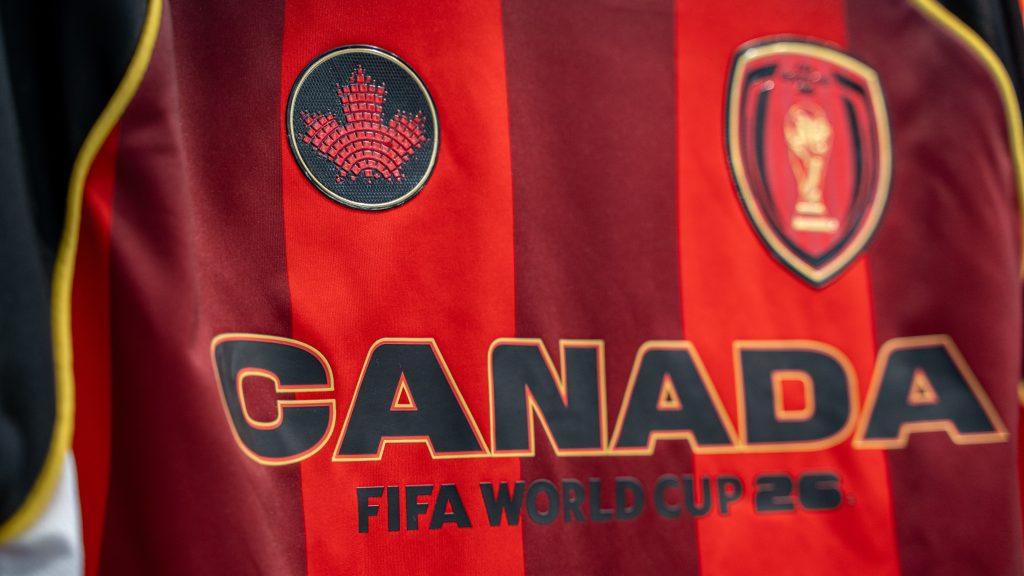
For the first time ever, Canada will host a men’s World Cup match with its own team playing. This is more than just a ceremonial moment. As co-hosts, Canada automatically qualifies, but that also means there’s no safety net. The opening match on June 12 at BMO Field in Toronto isn’t just a celebration—it’s a chance to show the home crowd what this team can do.
The tournament takes place from June 11 to July 19, 2026. Canada’s group stage starts in Toronto on June 12, followed by two games in Vancouver on June 18 and June 24. They will face Qatar, Switzerland, and a UEFA playoff qualifier.
The 2022 World Cup is important for understanding what’s at stake in 2026. Canada made its return after a long break, showed real progress, and left fans feeling the team had reached a new level. Now, instead of just being happy to qualify, there are real expectations. Playing at home turns those expectations into pressure, and the group stage will test if this team can handle it.
Canada is still building its identity as a football nation, and the 2026 tournament will speed up that process. The men’s team is known as Les Rouges, a bilingual nickname that fits the country’s red-and-white colors and connects the team to a wider national tradition. The Voyageurs, the main supporters group, have worked hard to create a lively matchday atmosphere with banners, drums, chants, and the kind of traditions that make home games feel important. Jesse Marsch became head coach in 2024. He’s known for a fast-paced, high-energy style that fits well with the excitement of a home tournament, where the crowd and the team’s hard work can build momentum. How far Canada goes in 2026 will partly depend on whether they can keep up that intensity for a full match against tough opponents.
The players who define the ceiling
Alphonso Davies is the standout figure of today’s Canadian team. As a regular starter for Bayern Munich, he shows how far the program has come, and his goal in 2022 was Canada’s first ever at a men’s World Cup. Jonathan David is another key player. He’s a striker who stands out for his smart decisions and calm finishing, which are especially valuable when chances are limited. In the group stage, David’s impact will depend on how well Canada can turn good play into goals.
The team’s structure is just as important as its stars. Stephen Eustáquio is the steady presence in midfield, helping keep possession and shape when games get tense. Wide players like Tajon Buchanan have a different job: they create quick attacks, put pressure on defenders, and help change the pace of the game before a goal is scored. In the World Cup group stage, being able to shift a game’s momentum without scoring can be the difference between moving on and going home.
Canada also has several players who could make a name for themselves during the tournament. What will matter most is their energy in midfield, athleticism in defense, and ability to make direct runs, rather than just their names. In tournaments, players who make an impact in short bursts often get noticed.
Toronto and Vancouver
Having group matches in both Toronto and Vancouver shapes the experience for Canadian fans. BMO Field in Toronto is a smaller stadium with fans close to the action, making it perfect for an intense opening match. BC Place in Vancouver is bigger, has a retractable roof, and is right downtown, so the whole city feels involved on game day. With two group matches in Vancouver, the city will play a big role, especially if Canada needs points from those games.
Fans planning to travel to both cities need to think about the logistics. Flying from Toronto to Vancouver is a long trip across three time zones. The travel can be tiring, especially with a busy tournament schedule.
If you don’t have tickets, there are still plenty of ways to join in. Fan zones, public screenings, and watch parties organized by supporters help everyone feel part of the tournament. The Voyageurs group is a good guide for finding the biggest Canada crowds and is a welcoming way for newcomers to get involved in the country’s soccer culture.
It’s easy to sum up what Canada 2026 means. It’s the first men’s World Cup on Canadian soil with the home team playing, and it comes at a time when real expectations exist for the program. The opening match in Toronto sets the tone. What happens in the group stage will show if 2026 becomes a milestone to build on or a moment that still needs explaining.