The latest 4-1 was only the newest chapter in a rivalry shaped by identity, memory, and control of Barcelona’s football story
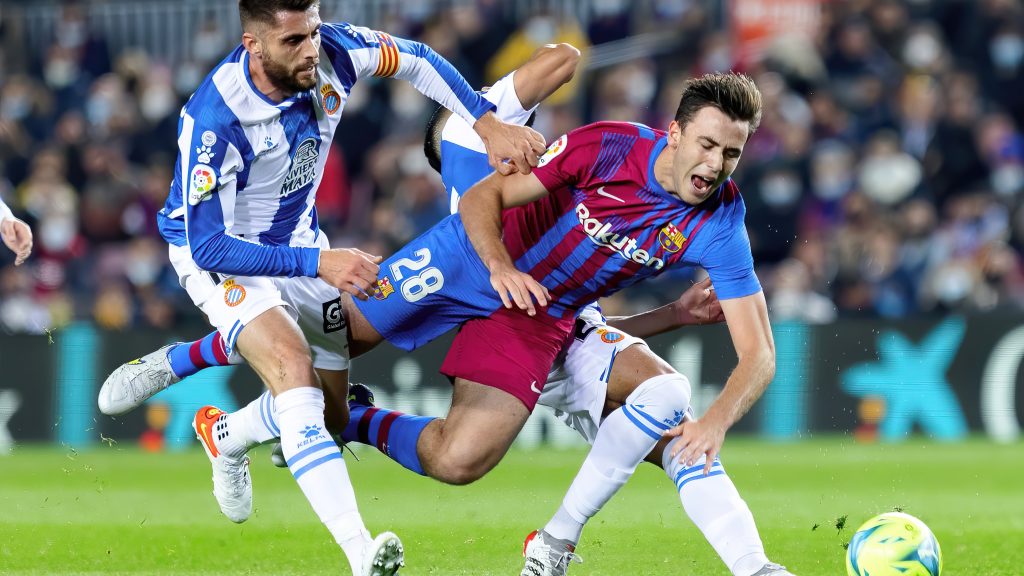
Saturday’s 4-1 win over Espanyol looked familiar on the surface. Barcelona were sharper, deeper, and more decisive, with Ferran Torres scoring twice and Lamine Yamal shaping the game again as Barça moved closer to another league title. But this derby has always carried more than the result. The score belongs to one afternoon. The argument underneath it has lasted more than a century.
It began almost side by side. FC Barcelona were founded in 1899 by Joan Gamper, the Swiss-born figure who became the club’s defining early architect. Espanyol followed in 1900, founded by university students in central Barcelona. The clubs were meeting in friendlies that same year, and their first league derby came on April 7, 1929, in LaLiga’s inaugural season. Barcelona won 1-0.
What changed over time was not the proximity but the symbolism. Barcelona came to see itself, and be seen by others, as the city’s global football institution and the strongest sporting symbol of Catalan identity. Espanyol, despite its own roots in Barcelona, spent decades being cast as the other club in the same city, the one forced to answer questions about belonging rather than simply assume it.
That is why the easy version of this rivalry, Barça as Catalan and Espanyol as something else, misses the point. Espanyol have long resisted that framing. Their history is tied to Barcelona itself, from their university origins to the many grounds they have called home across the city and surrounding area. The rivalry matters because both clubs lay claim to Barcelona, even if one has had far more power, trophies, and visibility than the other.
On the field, though, Barcelona have usually controlled the derby. That imbalance is part of what gives the fixture its tension. Espanyol do not need to win it often for the result to matter. In many ways, the rare moments when they disrupt Barcelona’s story are what keep the rivalry alive.
Why the scoreline never tells the full story
Few examples explain that better than the Tamudazo. In 2007, Raúl Tamudo scored a late equalizer at Camp Nou that damaged Barcelona’s title bid and altered the course of the season. For Espanyol, it became one of the defining moments of the modern derby, not because it brought silverware, but because it denied Barça the ending they wanted.
Two years later came another sharp break in the pattern. In 2009, Mauricio Pochettino’s Espanyol won 2-1 at Camp Nou through two goals from Iván de la Peña. It remains their last league victory in the fixture, which says everything about the broader balance of power and why those isolated blows still carry so much weight in the rivalry’s memory.
The derby has also become one of the places where Barcelona underline their dominance most publicly. In 2023, Barça clinched the league with a win at Espanyol’s ground. In 2025, they sealed another title there. Saturday’s 4-1 was not the match that mathematically finished the job, but it landed in the same emotional territory, another reminder that Barcelona often use this rivalry to reinforce their authority at the exact moment Espanyol most want to push back against it.
The fixture is thus more than a local grudge. It is not simply about who is better, because history settled that argument long ago in sporting terms. It is about who gets to speak for the city, whose version of Barcelona becomes permanent, and whether Espanyol can still interrupt a narrative that so often seems written around their rivals.
There are smaller threads inside that larger story. Lionel Messi made his official Barcelona debut in this derby. Dani Jarque remains one of the most poignant figures connected to the derby because Espanyol’s captain died suddenly in 2009 at 26, and Andrés Iniesta later honored him on the sport’s biggest stage after scoring Spain’s winner in the 2010 World Cup final.
That is the angle worth telling now. Barcelona usually win the match. Espanyol keep contesting the meaning of the city. The rivalry survives because it is not just about who scores more goals on a given weekend. It is about belonging, status, memory, and the right to stand for Barcelona, even when one club keeps ending the conversation with the result.