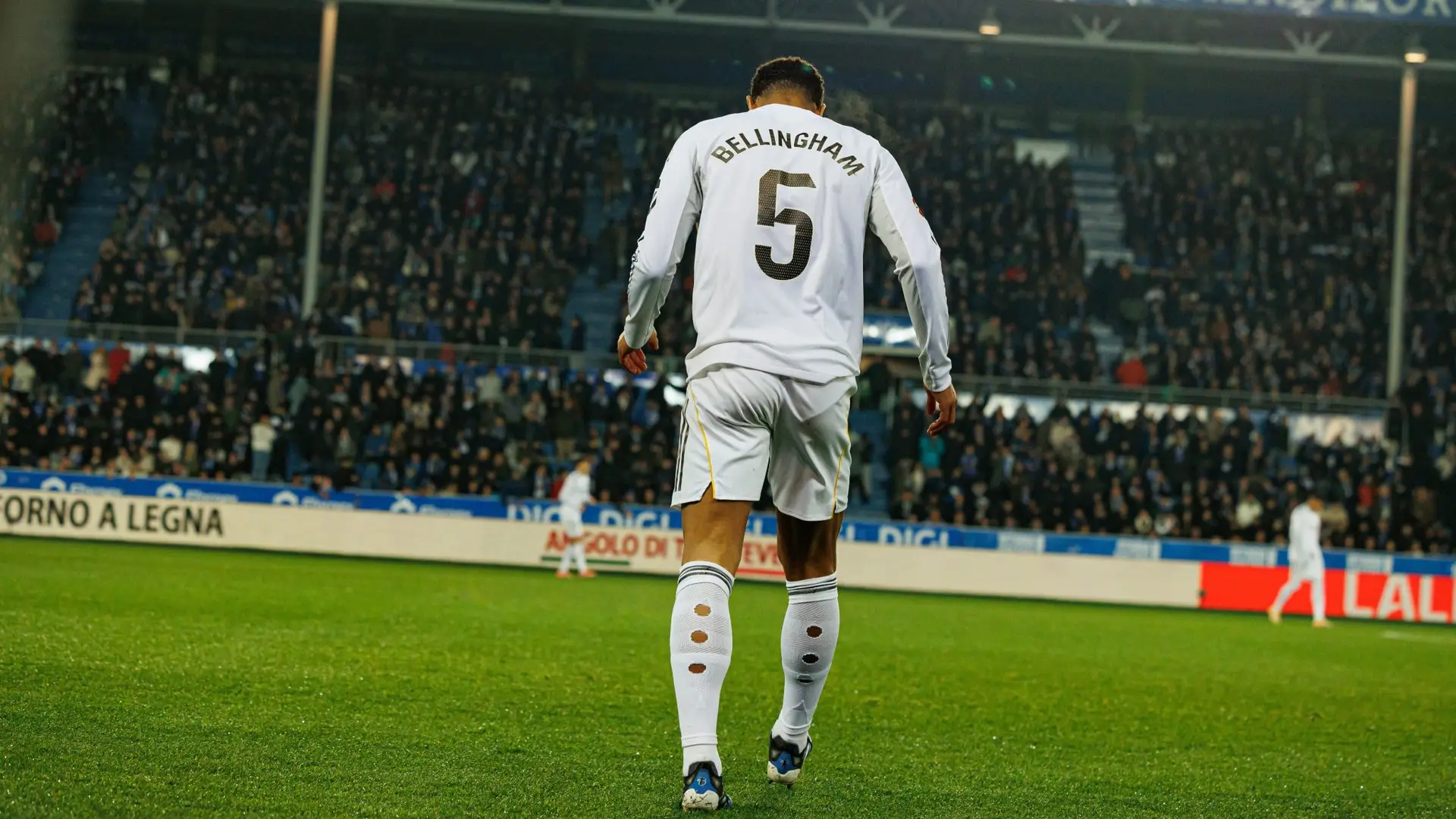
A football shirt can make an unlikely souvenir of the car industry. The company across the chest might sell tires, hatchbacks or pickup trucks, yet its name ends up attached to a penalty shootout, a league title or a particular generation of players.
Kit makers have their own place in that memory, as Umbro’s long football history demonstrates. Sponsors occupy a different position. They pay to appear on the shirt, then spend years hoping the association becomes something that money alone can’t secure: a recognizable part of the club.
Automotive companies have reached that position through very different routes. Chevrolet bought access to Manchester United’s international audience. Volkswagen helped sustain Wolfsburg through factory jobs and eventually became its owner. At Inter, Pirelli’s name accompanied 26 years of football.
Stadio’s ranking gives the most weight to that connection between brand and club, followed by longevity, memorable teams and local roots. It’s an editorial judgment, not a revenue table. Tire companies qualify alongside carmakers, but a recognizable match-shirt relationship is essential. Supplying the players with cars isn’t enough.
10. Chelsea and Yokohama
Five years was enough to give Yokohama a substantial Chelsea chapter. The Japanese tire company became the club’s shirt partner in July 2015 and remained there until June 2020. The men’s team won the 2016/17 Premier League, the 2018 FA Cup and the 2019 Europa League during that spell.
Yokohama wanted greater international recognition, particularly in Europe and Asia, and Chelsea offered a platform well beyond the local market. The company stayed involved as a global tire partner after its shirt agreement expired. Its place here rests on a compact period of sporting success. It sits below the longer relationships that became harder to separate from their clubs’ identities.
9. Manchester United and Chevrolet
Chevrolet’s deal put an extraordinary price on the front of a football shirt. United’s financial filings disclosed approximately $559 million in total agreement fees, including payments before the shirt sponsorship began. The seven seasons on the jersey ran from 2014/15 through 2020/21.
It was an international advertising operation, built around United’s commercial reach rather than a shared hometown or factory workforce. The club offered an automotive brand a way to reach customers who might never travel to Manchester.
That gives Chevrolet a firm place in automotive sponsorship history. Ninth reflects the limits of money as a ranking criterion: the agreement’s financial scale is more exceptional than the duration of the relationship. A huge contract can purchase a highly visible chapter without becoming a club’s defining sponsor.
8. Paris Saint-Germain and Opel
PSG’s Opel years, from 1995 to 2002, offer a striking alternative to the club’s later airline and hospitality branding. They also produced one of the stranger consequences of a carmaker sponsoring several major clubs at once.
When PSG visited AC Milan in February 2001, the French side wore Corsa branding instead of its usual Opel name. Milan also carried Opel, and PSG’s official archive explains that the shared sponsor created a conflict under the UEFA rules of the time. The match finished 1–1.
A car model’s name solved a football advertising problem. It’s a revealing detail from Opel’s European strategy, which placed the company on several prominent shirts simultaneously. PSG gets eighth for its distinctive place in that period, although Opel’s associations with Bayern and Milan lasted longer.
7. Juventus and Jeep
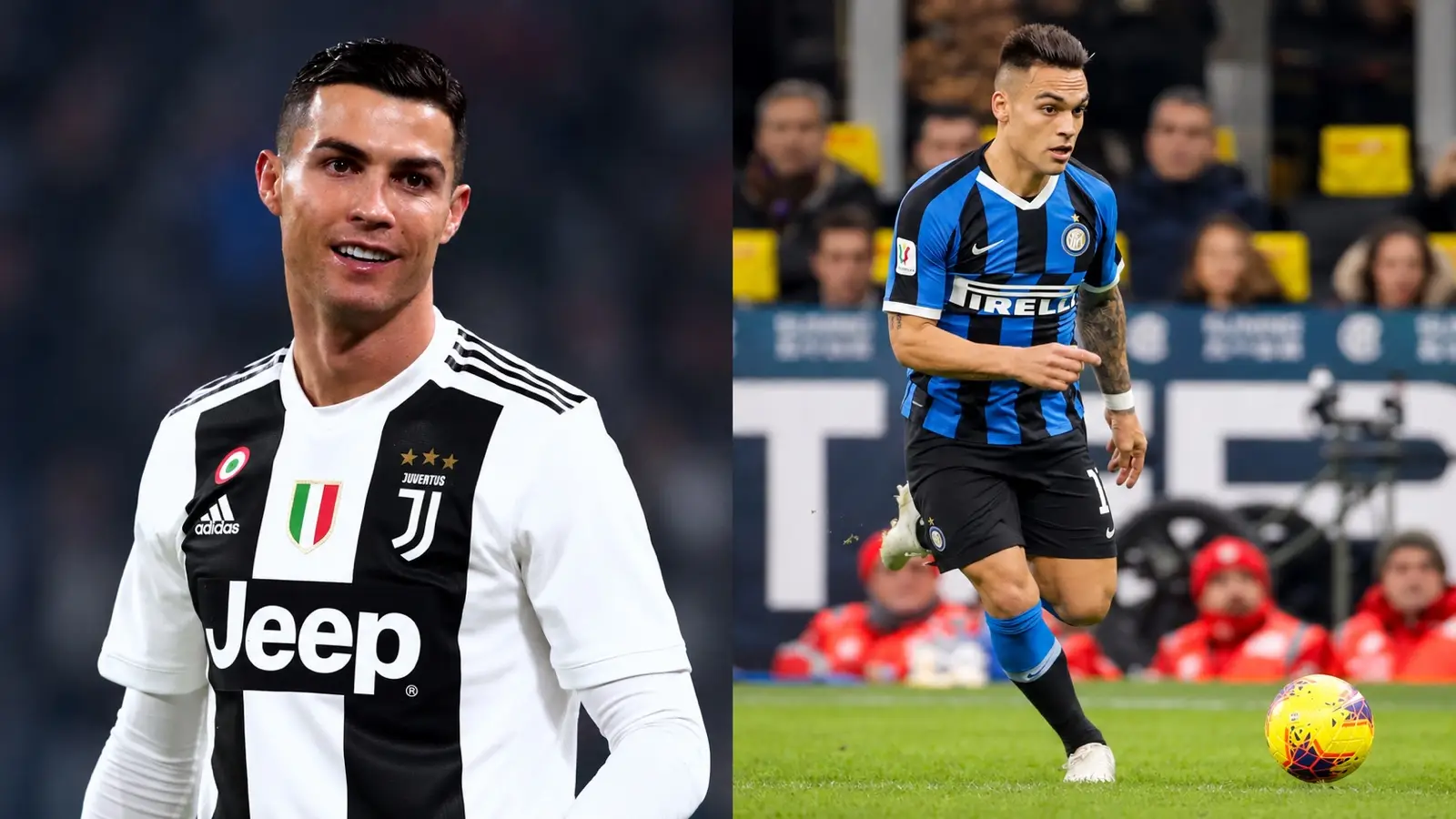
Jeep arrived for the 2012/13 season and accompanied the final eight titles of Juventus’ nine-year Serie A winning streak. Its initial shirt run continued through 2024. The brand returned for 2025/26, sharing domestic front-of-shirt billing with Visit Detroit under the new agreement.
There’s also a corporate connection beneath the sponsorship. Juventus’ 2020 renewal with Fiat Chrysler Automobiles was classified as a related-party transaction because both companies were controlled by Exor. Jeep wasn’t simply an unrelated advertiser buying a few seasons beside the club crest.
The combination of sustained domestic success and connected ownership gives this partnership considerable weight. It ranks seventh because some of the relationships above it lasted far longer or grew directly from the communities that supported the clubs. The interruption between Jeep’s two spells also belongs in its history.
6. Sochaux and Peugeot
For historical importance, Sochaux and Peugeot could challenge for first. The Peugeot family’s initiative helped create the club in 1928. Football emerged from an industrial community rather than arriving decades later as an advertising opportunity.
That connection became tangible again in March 2026, when Peugeot returned as Sochaux’s principal sponsor. The announcement took place inside the company’s Sochaux factory. The agreement brought the brand back onto the shirt and included support for an academy Peugeot had helped establish in 1974.
Sixth isn’t a judgment on the relationship’s depth. It reflects a ranking that also values the wider recognition of particular shirts and teams. Sochaux’s strongest claim is foundational: Peugeot belongs in the explanation of how the club came to exist. Its long history shouldn’t, however, be mistaken for one uninterrupted shirt deal.
5. Bayern Munich and Opel
Before the long Telekom era, Bayern had 13 years with Opel. The partnership ran from 1989 to 2002 and covered the club’s 1996 UEFA Cup and 2001 Champions League victories.
Those European trophies give Bayern’s entry substance beyond a familiar logo. Opel accompanied a sustained period of success, then left as Telekom became the main sponsor in 2002. Audi’s arrival as an automotive partner that same year was a separate arrangement, not a continuation of Opel’s place on the shirt.
Bayern deserves its own position rather than a passing mention in Milan’s Opel story. Its European successes give the German pairing an edge over PSG, while Celta’s much longer local association keeps Bayern out of the top four.
4. Celta Vigo and Citroën
Celta’s announcement that Citroën was leaving the shirt in 2016 described a relationship lasting 31 years. The association had a geographical foundation: Citroën’s Vigo factory began operating in 1958, linking a major industrial employer with the city’s football club.
The handover left a literal space on the jersey. Celta initially offered its 2016/17 shirts without a sponsor and promised to add the replacement logo free of charge once the new agreement was announced. Citroën maintained a connection through the club’s foundation.
This is where longevity deserves to outweigh global fame. Celta and Citroën shared a city as well as a shirt, and the relationship extended across decades rather than a single successful team. Fourth rewards that continuity without needing a Champions League trophy to validate it.
3. Wolfsburg and Volkswagen
Volkswagen’s connection to Wolfsburg is older than the logo on the kit. In 1946, the company helped recruit eight players from Gelsenkirchen by offering work and practical support, including housing. Factory employment and football developed together.
The Volkswagen emblem reached the men’s shirt in 1992/93, while Wolfsburg was in the second division. The company is now the club’s full owner. Those are different stages of the relationship, not interchangeable starting dates for a sponsorship.
There’s a major football achievement to go with the industrial history. Felix Magath’s Wolfsburg won the Bundesliga in 2008/09, with Edin Džeko and Grafite leading the attack. The factory connection had developed into a football operation capable of winning the national championship.
Wolfsburg takes third because the automotive connection is embedded in the institution itself. The two partnerships above it win on the combination of shirt identity and sustained association with European football’s biggest moments.
2. AC Milan and Opel
Opel’s 12-year Milan partnership ran from 1994 through the end of the 2005/06 season. Its defining European achievement came in 2003, when Carlo Ancelotti’s side beat Juventus on penalties at Old Trafford to win the Champions League.
Milan’s Champions League-winning shirts span several sponsors, but the Opel period has a particularly strong cast. Paolo Maldini, Alessandro Nesta, Andrea Pirlo, Clarence Seedorf and Andriy Shevchenko all started that 2003 final. The sponsor’s name sits within the visual record of an exceptional team.
The relationship also extended into advertising that used the players themselves. Maldini promoted the Astra station wagon; George Weah appeared in a campaign for the Tigra. Opel was selling cars through Milan’s football personalities as well as through the space on their jerseys.
Second place rewards that combination of duration, players and imagery. Milan and Opel weren’t joined by factory origins or common ownership. They built one of football’s most convincing automotive associations through the conventional sponsorship route.
1. Inter and Pirelli
Pirelli was Inter’s principal shirt sponsor from 1995 to 2021, a 26-year run that connected very different teams. Ronaldo’s Inter and the side that completed the 2010 treble shared the same name across the chest.
The relationship produced imagery beyond match photography. Pirelli’s 1998 campaign placed Ronaldo in a pose modeled on Rio de Janeiro’s Christ the Redeemer statue. A tire company used the Brazilian’s athletic ability to communicate its brand, while his Inter connection made the campaign part of a wider football identity.
On the field, the partnership encompassed the 1998 UEFA Cup and the 2010 combination of Serie A, Coppa Italia and Champions League titles. Pirelli stayed associated with the club as a global tire partner after leaving the shirt in 2021.
Inter takes first because no other entry balances the criteria quite so well. There’s the long duration, the advertising, the European trophies and a sponsor that remained recognizable as players and shirt designs changed. Pirelli didn’t belong to just one great Inter side. It gave several generations of the club a common signature.