
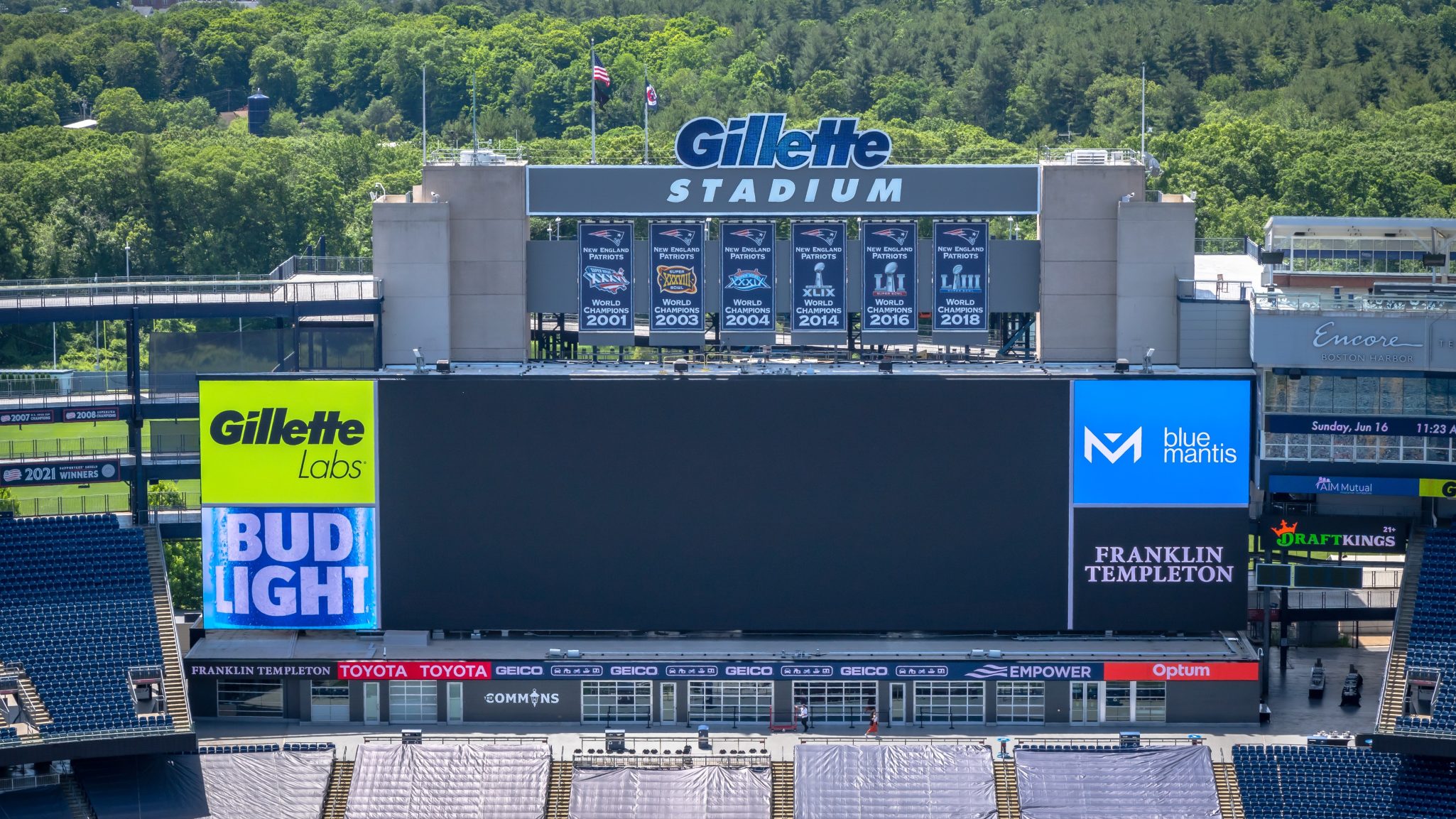
Boston is the official host city for the 2026 World Cup, but all matches will take place at Gillette Stadium in Foxborough. During the tournament, FIFA will call it “Boston Stadium.”
That geographic split is not a footnote. It affects where visitors stay, how they move, how early they leave, and how a matchday unfolds from start to finish. A day that begins in a compact, historic city ends at a modern NFL venue set along Route 1, nearly thirty miles away.
The match schedule is already set. Gillette Stadium will host seven games: five group stage matches, one Round of 32 game, and one quarterfinal. Boston’s World Cup events will take place from June 13 to July 9, 2026.
Gillette Stadium is a modern venue that opened in 2002 and can hold 64,628 people. It’s part of a larger area called Patriot Place, which has shops and restaurants around the stadium. Even if you don’t plan to visit these places, the layout affects how people move, line up, and leave after matches.
Because the city and stadium are far apart, transportation is a top priority for Boston’s World Cup planning. Local officials have made it clear that getting people to and from matches smoothly is their main focus.
Getting to Boston Stadium, and why it matters
World Cup transit plans focus on rail service between Boston and Foxborough. The MBTA will offer a special “Boston Stadium Express” train for matchdays, with tickets available in spring 2026 through their mobile app. To buy a train ticket, you’ll need a valid World Cup match ticket.
Travel time is the variable that most affects the experience. Although Foxborough is roughly 25 to 29 miles from downtown Boston, travel by car can range from under an hour to well over ninety minutes depending on traffic and timing. That difference becomes especially important because, after the opening weekend, Boston’s remaining World Cup matches are scheduled on weekdays, overlapping with typical rush-hour patterns.
To handle the crowds, Foxboro Station is being renovated and should be ready by June 2026. The upgrades will add more space and a longer, accessible platform for both the World Cup and future train service.
When choosing where to stay, visitors should think about access to transit, not just distance. Downtown, Back Bay, and the Financial District have lots of hotels and are easy to walk around. Midtown and Back Bay also offer direct routes to main train stations. The Seaport District has newer hotels by the water, while Fenway and Kenmore have lodging near cultural sites.
Boston’s neighborhoods each have their own feel. The North End is small and full of Italian restaurants. Fenway is home to museums and a famous sports area. The Seaport is Boston’s newest district, with wide walkways and modern public spaces.
Cultural events are starting to come together. The Boston 2026 host committee is working with Berklee College of Music to create an official Boston Sonic ID, showing they want to include local music and culture in the tournament.
The biggest detail still undecided is where Boston’s official FIFA Fan Festival will be held. Organizers say the festival will be free, run during the whole tournament, and offer match screenings, food, drinks, and entertainment. The exact location isn’t set yet, so some plans and budgets are still on hold.
Even with some details still up in the air, there will be plenty happening across the city. Organizers are encouraging businesses and community groups to get involved, so local events and celebrations will likely add to the official World Cup activities once more information is available.
For now, Gillette Stadium’s current rules are the best guide for matchday. Only clear bags up to 12 by 12 by 6 inches are allowed, plus small wristlets or wallets no bigger than 6.5 by 4.5 inches. Mobile lockers should be available for bags that don’t meet these rules.
Boston’s World Cup experience will stand out because of the contrast between the city and the stadium. Visitors will enjoy Boston’s walkable, hotel-filled neighborhoods, but will also need to plan ahead for travel to the large stadium in Foxborough. Even though some details are still being finalized, there’s already enough information to help visitors plan and to create a helpful city guide as the tournament gets closer.