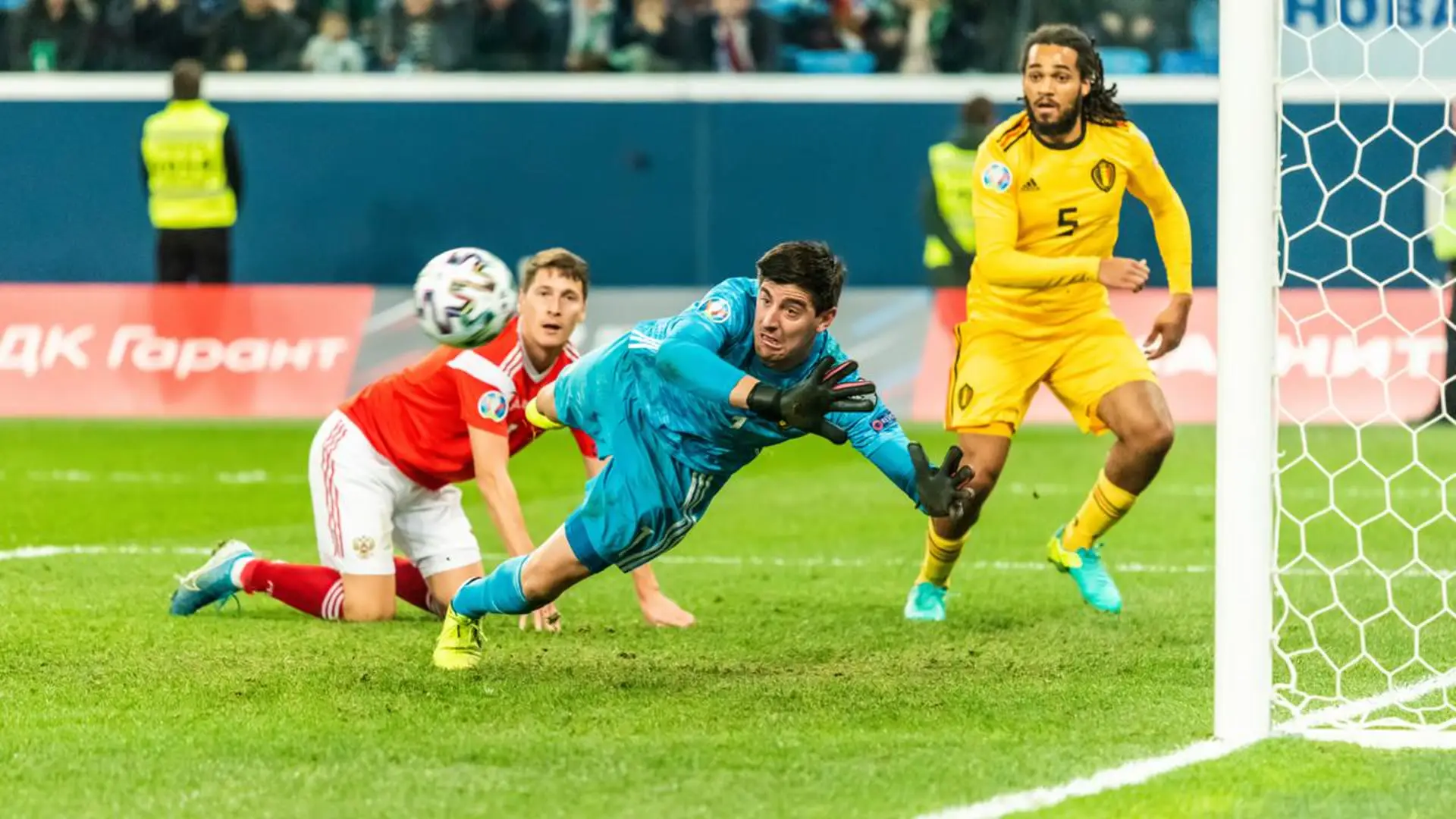
Alireza Beiranvand was already close to the ground when the ball broke to Maxim De Cuyper inside the penalty area. Belgium’s fullback had most of the goal available and almost no distance to cover. Beiranvand forced himself upright, moved across his line and raised his left hand into the shot. It was a save built from recovery rather than positioning, completed before the goalkeeper had fully regained his balance.
The stop preserved Iran’s 0-0 draw with Belgium and completed a seven-save performance. It also captured a tournament in which goalkeepers have repeatedly narrowed the distance between teams. Cape Verde held Spain to a goalless draw behind Vozinha’s work inside the penalty area. Eloy Room faced 15 shots on target from Ecuador and stopped every one.
Choosing the best save involves more than counting attempts. Shot difficulty counts, but so do the goalkeeper’s starting position, the speed of the reaction and the value of the intervention. A stop in stoppage time can keep a team in the tournament. A shootout save can end the match immediately.
Beiranvand remains first because his intervention demanded several movements in a fraction of a second. Patrick Beach belongs directly behind him. Australia’s young goalkeeper produced the defining save of his team’s Round of 32 match against Egypt, preventing a winner when regulation time had almost expired.
The saves that kept teams alive
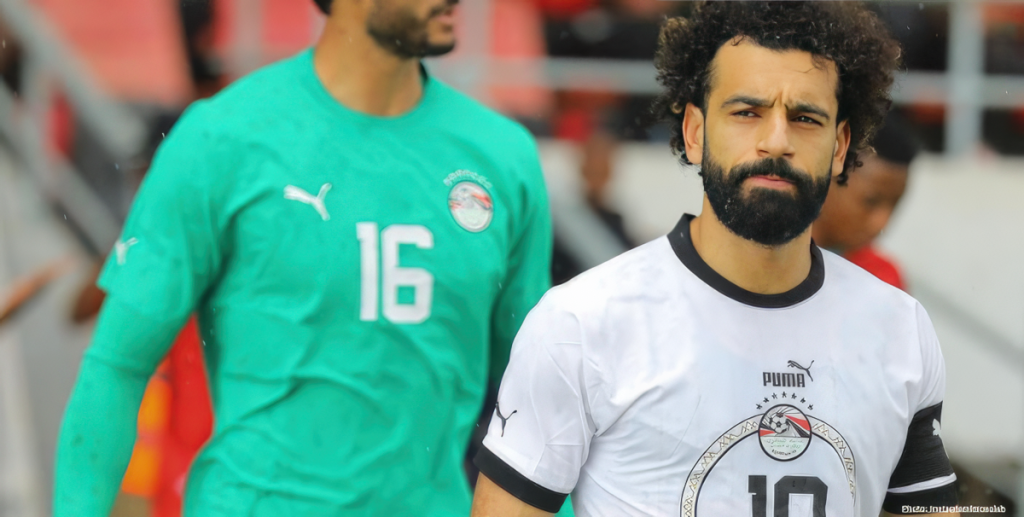
Mohamed Salah delivered from the right in the fifth minute of stoppage time, and Rami Rabia directed a close-range header toward the upper corner. Beach shifted across his line and reached upward with one hand, pushing the ball over the crossbar. Egypt had been seconds from advancing. The save carried Australia into extra time, although Egypt eventually won the penalty shootout.
Beach’s place this high is also supported by what came earlier. He made eight saves and kept a clean sheet in Australia’s 2-0 opening victory over Türkiye. Against Egypt, however, he produced his clearest individual moment. The header came from close range, arrived above shoulder height and gave him almost no time to build momentum before leaving the ground.
Raúl Rangel ranks third for the two saves he made within seconds against South Korea. Mexico was protecting a 1-0 lead late in the match when Rangel blocked Cho Gue-sung’s close-range header. The rebound fell to Yang Hyun-jun as the goalkeeper collided with a teammate. Rangel recovered from the contact and extended his right arm to stop the second attempt. Mexico held its lead and secured first place in Group A.
Vozinha is fourth for his reaction against Mikel Oyarzabal. Ferran Torres struck the crossbar, sending the rebound into an area where Oyarzabal could redirect it immediately. Vozinha had followed the first shot and needed to reverse his movement. He reached across the goal with one hand and kept out the header, one of seven saves he made during Cape Verde’s World Cup debut.
Eloy Room’s early stop against Enner Valencia takes fifth. A pass from Moisés Caicedo sent the Ecuador captain through after only two minutes. Room held his position until Valencia committed to the shot, then dropped low and pushed it away. The save established the pattern for the rest of the afternoon. Room finished with 15 stops as Curaçao took its first World Cup point.
Yassine Bounou follows for denying Kylian Mbappé from the penalty spot in the quarterfinal. Mbappé paused during his approach and shot toward the goalkeeper’s right. Bounou waited, read the direction and gathered the ball rather than merely diverting it. France later won 2-0, so the save didn’t alter the result, but the technique remained precise under knockout pressure.
Orlando Gill’s contribution against Germany came across an entire shootout. The Paraguay goalkeeper stopped penalties from Kai Havertz and Nick Woltemade before Jonathan Tah also failed to convert. Paraguay advanced after a 1-1 draw, handing Germany its first World Cup shootout defeat. Gill’s saves weren’t as visually extreme as Beiranvand’s or Beach’s, but they carried an immediate and irreversible consequence.
Gregor Kobel completes the ranking. Switzerland beat Colombia on penalties after 120 scoreless minutes, with Kobel moving sharply to his right to stop Cucho Hernández. Ruben Vargas converted Switzerland’s next kick, securing the country’s first World Cup quarterfinal appearance since 1954.
The semifinals may still produce a save that changes the order. For now, Beiranvand leads because he solved a sequence that had already moved beyond him. Beach comes next because his single hand extended Australia’s tournament. Rangel, Vozinha and Room follow for the same underlying reason. Each goalkeeper turned an apparent goal into another passage of play, giving his team time it otherwise wouldn’t have had.