Winning a title with Leicester and defending one with Manchester City demand different kinds of management. A ranking that treats those jobs as identical misses almost as much as one that ignores the trophies altogether.
Arsenal’s return to the top gives Mikel Arteta a championship to set beside his title challenges. It also sharpens an old argument: how much should one outstanding season count against a longer career?
Stadio’s ranking covers Premier League management from 1992/93 through the completed 2025/26 season. Cups, European trophies and achievements elsewhere don’t count. Neither do reputations built before this competition began.
Championships and repeated contention carry the greatest weight, followed by peak performance, longevity and the difficulty of the job. There’s no automatic place above every non-champion for winning once. The whole career counts, including the disappointments.
20. Unai Emery
Fourth-place finishes with Aston Villa in 2023/24 and 2025/26 give him a league argument independent of his European reputation. Repeating that finish earns the final place, although his Premier League career still lacks the depth of those higher up.

19. Brendan Rodgers
Liverpool’s 2013/14 title challenge wasn’t his only convincing league work. Two fifth-place finishes with Leicester strengthen his case. Falling short of the biggest prize limits his position; producing competitive teams at different clubs earns inclusion.
18. Sir Bobby Robson
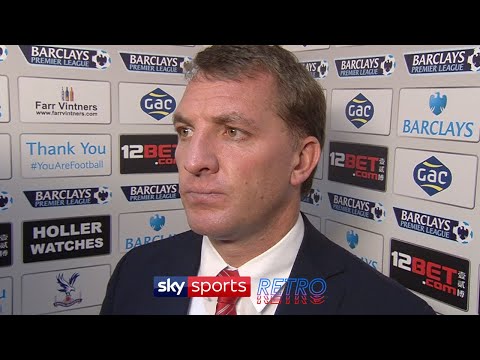
Newcastle finished fourth, third and fifth in consecutive seasons under Robson. That sustained run matters more here than his distinguished work abroad or with England. He belongs for what he achieved at Newcastle, not as a lifetime-achievement selection.

17. Kevin Keegan
Third in Newcastle’s first Premier League season and second in 1995/96, Keegan built a genuine challenger. The failure to win that title race is part of his record, but it shouldn’t obscure the quality required to contest it.

16. Arne Slot
Winning in 2024/25 earns him a place. Finishing fifth the following season explains why he doesn’t climb further. Two Liverpool campaigns produced a championship but insufficient consistency to outrank the longer careers immediately above him.

15. Rafael Benítez
His strongest league exhibit is Liverpool’s 2008/09 season: 86 points and only two defeats. That team deserves recognition without borrowing anything from Istanbul. The absence of a championship leaves him behind managers who combined sustained excellence with the final step.

14. Manuel Pellegrini
Manchester City scored 102 league goals while winning the 2013/14 title. Pellegrini’s champions were formidable attackers, not merely a name on the honors board. His peak earns this position; it doesn’t establish the repeatability needed for the top ten.

13. David Moyes
Everton’s fourth place in 2004/05 and West Ham’s sixth in 2020/21 demonstrate achievement in different settings. Longevity counts because he repeatedly produced worthwhile results. The unsuccessful Manchester United and Sunderland spells prevent this becoming an assessment of only his best work.

12. Mauricio Pochettino
Tottenham’s 2017 title challenge yielded 86 points, four defeats and just 26 goals conceded. Four consecutive top-four finishes make him our leading non-champion. A missing trophy counts against him, but it can’t be the only distinction between excellent league careers.

11. Carlo Ancelotti
A Chelsea championship with 103 goals, followed by second place, makes a substantial case. His short Chelsea spell leaves him below managers with more sustained title contention, regardless of everything he won elsewhere. This is one ranking his global reputation can’t decide.

10. Antonio Conte
The switch to 3-4-3 helped turn Chelsea’s uneven start into the 2016/17 championship. It’s a concrete example of a manager changing a season’s direction. That peak earns the top ten, while a shorter record of sustained contention keeps him there.

9. Roberto Mancini
City’s first Premier League title required an entire season’s work before its extraordinary ending. Mancini’s 82 wins across 133 league matches supply the substance behind the memory. His case doesn’t depend on taking credit for the dynasty that followed.

8. Mikel Arteta
The 2025/26 championship completed a sequence of three runner-up finishes followed by a title. That sustained contention places him above several champions with shorter peaks. The latest trophy strengthens his case without automatically settling every comparison in his favor.

7. Sir Kenny Dalglish
Blackburn moved from fourth to second to champions in the Premier League’s opening three seasons. Jack Walker’s substantial backing belongs in the story, but turning investment into that progression remains Dalglish’s achievement. His earlier Liverpool titles add nothing here.
6. Claudio Ranieri
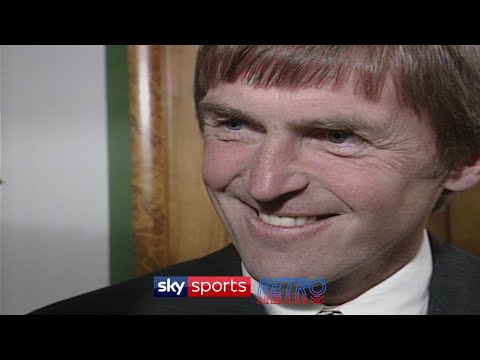
No single championship carries more weight here than Leicester’s in 2015/16. Ranieri doesn’t outrank everyone below him for longevity or consistency. He does because that title carries exceptional weight, enough to place him immediately behind the strongest sustained careers.
5. Jürgen Klopp
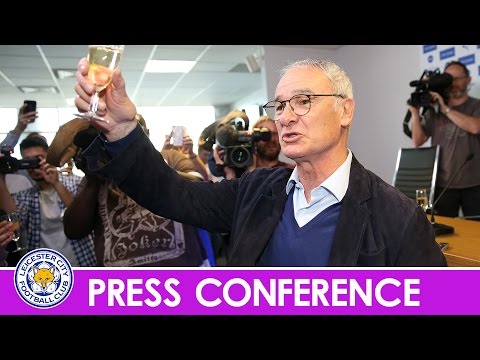
One championship understates Liverpool’s league quality under Klopp. The 97-point and 92-point runner-up campaigns belong alongside the 2019/20 title. They aren’t imaginary trophies, but they establish repeated excellence that separates him from the other single-title winners.
4. José Mourinho
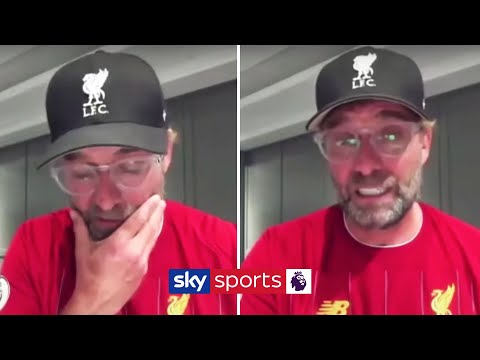
Chelsea conceded only 15 goals while winning his first championship in 2004/05. He won again the following season, then returned to claim a third title in 2014/15. That later success gives him two distinct championship teams, not merely one brilliant spell.

3. Arsène Wenger
Three championships, an unbeaten title season and 828 Premier League matches give Wenger the edge over Mourinho. Not every later Arsenal team matched his best, but the Invincibles and the breadth of his league career survive that qualification.

2. Pep Guardiola
Six titles, four consecutively, and a 100-point season made Guardiola’s decade at City an extraordinary concentration of success. A ranking built around the strongest sustained peak could put him first. Across complete Premier League careers, one manager retains the advantage.

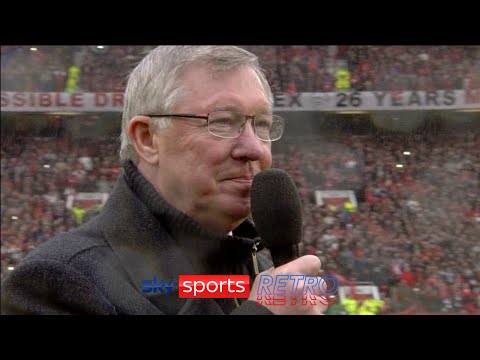
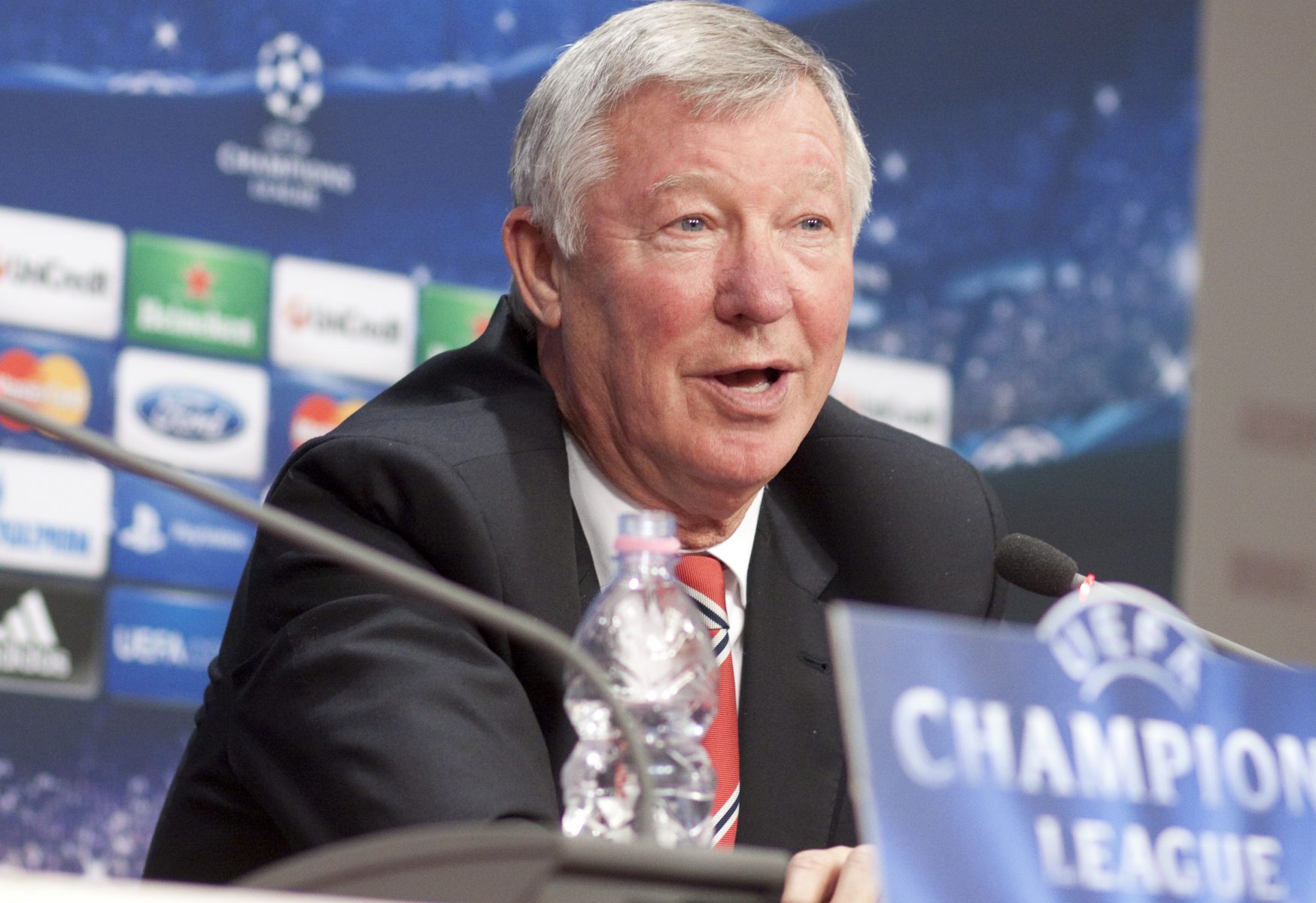
1. Sir Alex Ferguson
Thirteen titles and 528 wins make the strongest career argument. Ferguson won the inaugural Premier League and was still winning it in 2012/13. He didn’t merely preserve one outstanding team. He kept producing champions after the earlier versions had gone.