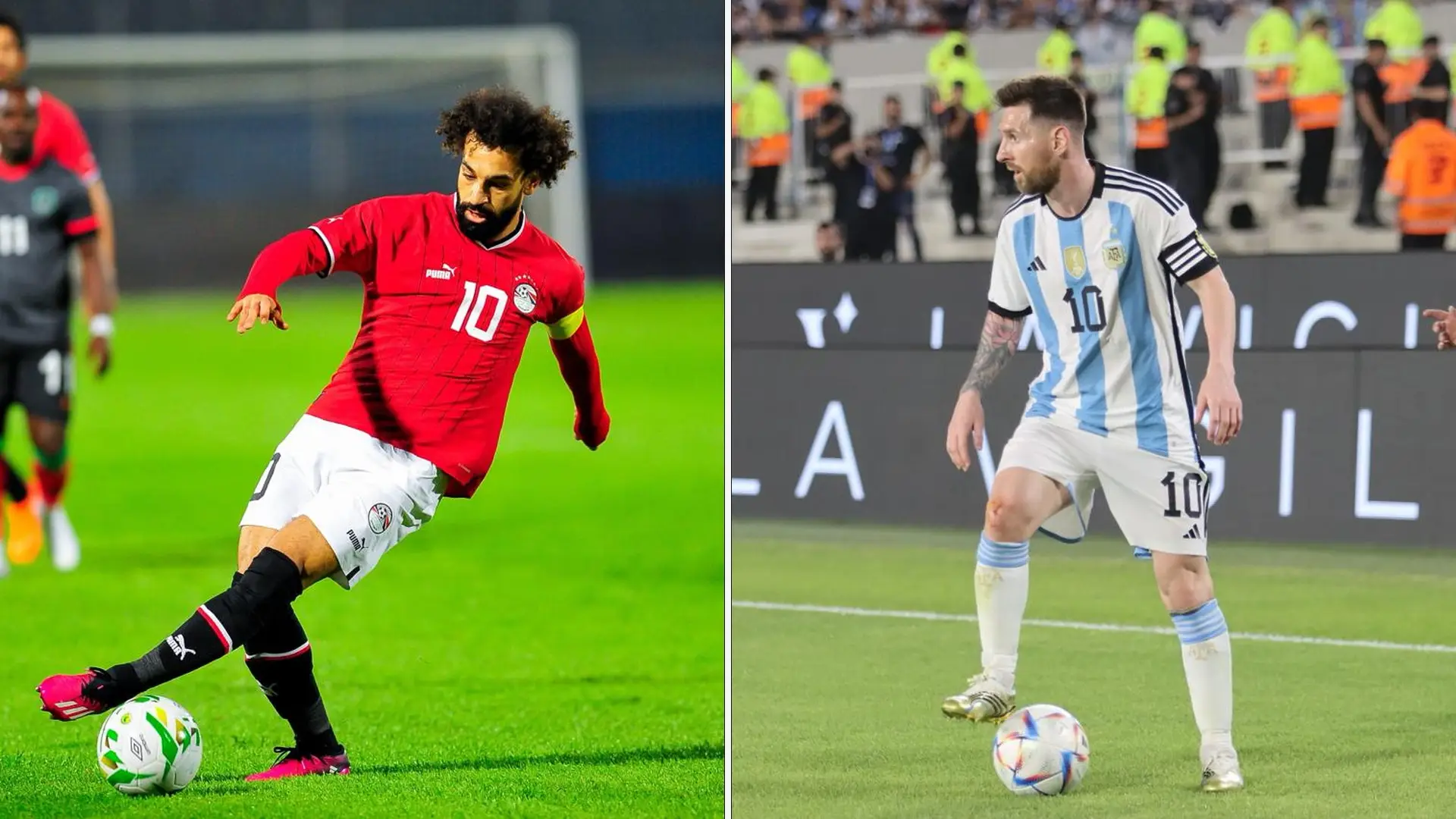
Salah doesn’t have to ruin the Lionel Messi party with a goal. That is too literal, too provincial, too beholden to the old arithmetic of No. 10 versus No. 10. Egypt have already found a cheaper and more efficient instrument. Yasser Ibrahim rose in the 15th minute in Atlanta and turned a theoretical question into a balance-sheet entry: Argentina, who had already needed Cape Verde in extra time, are now paying interest on their own vulnerability.
Argentina are still the superior side. Romance is a poor substitute for structure. Lionel Scaloni has Messi, Julián Álvarez, Alexis Mac Allister, Rodrigo De Paul and enough tournament memory to get a team through bad minutes without becoming bad. He also has a team that has begun to acquire the faintly invidious habits of a champion nearing the end of its cycle. It still knows how to win. It no longer always knows how to make winning look inevitable.
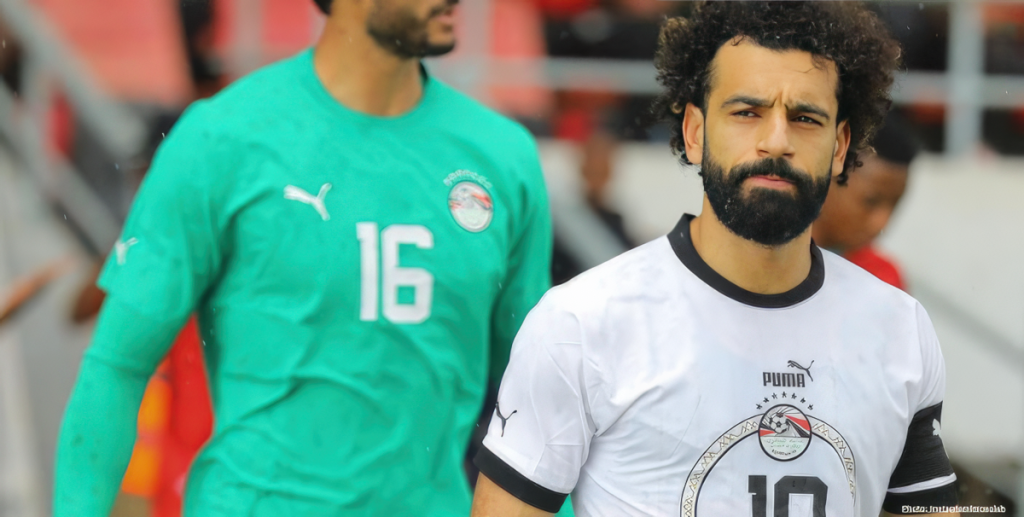
Egypt’s tournament is a different sort of transaction. Before these finals, they had never won a World Cup match. Now they have beaten Australia on penalties, dragged Salah through 120 minutes on a strained hamstring, and arrived at Argentina with a captain who has already converted personal burden into national credit. “It’s history,” Salah said after Australia. Correct. Also insufficient.
History isn’t the same as leverage. Salah has supplied both. A goal, two assists, 16 chances created, a Panenka in a shootout, the whole repertory of a player who has learned to ration his body without diminishing his authority. At 34, he is no longer just a runner into space. He is a broker of pressure. He decides when Egypt can breathe and when Argentina must turn around.
Messi remains the greater historical asset. No serious argument exists otherwise. Every Lionel Messi World Cup goal now comes with archival weight, as if the sport is filing exhibits for a case already won. But a match is not an archive. It is a market that moves in real time, and Egypt have just altered the price.
Egypt’s bargain is pressure
Egypt can’t buy this game with possession. They must buy it with time. The first hour is their escrow account: survive, foul selectively, refuse disorder, and make every Argentine attack carry a small administrative cost. Annoying? Good. Argentina’s elegance is most useful when opponents consent to being arranged.
Scaloni understands the problem better than anyone. “This World Cup is difficult,” he said, naming travel, heat, pitches and grass among the impediments to superiority. Strip away the manager’s diplomacy and the admission is plain enough. The grand teams are not always getting grand conditions. The smooth teams are being asked to win through friction. Egypt are friction.
Salah’s role is not to imitate Messi. Imitation would be self-abasement. Messi governs by accumulation: touch after touch, angle after angle, a defender moved half a yard from his post and then punished for it. Salah governs by interruption. He waits for the fullback to overbid, for the center back to hedge, for the midfield pass to arrive one beat late. Then he turns a match from opera into burglary.
Argentina can still close this down. Álvarez gives them legs, Paredes gives them cadence, Tagliafico gives them left-side security, and Messi gives them the one thing Egypt can’t manufacture: authorship over chaos. A clean game still belongs to Argentina. A stretched game belongs to risk. Egypt’s entire proposition is to make cleanliness impossible.
Salah can ruin the party because the party was never really his target. He doesn’t need to out-Messi Messi. He needs to make Argentina defend their own mythology for 75 minutes after conceding first. That is the more uncomfortable assignment. Not everyone loses to the better team.
Some teams lose to the invoice.