Lionel Messi’s final appearance for Argentina reopened a familiar conversation around one of football’s most famous numbers. Messi scored in Argentina’s 3-0 win over Benin at the Monumental, closing his international career wearing the No. 10 that had belonged to Diego Maradona before him.
At international level, retiring a number isn’t straightforward. Argentina had already tried to retire Maradona’s No. 10, only for World Cup regulations to put it back into circulation. FIFA’s rules for the 2026 tournament required numbers 1 through 26 to be allocated to each team’s players, so a federation can honor a shirt without being able to guarantee that nobody will wear it again in every competition.
Clubs have far more room to make that decision permanent. The result is a small collection of numbers that have effectively stopped being ordinary squad numbers. Some were withdrawn because a player became inseparable from the club itself. Others became permanent memorials after tragedy.
Retired shirt numbers for club icons
Napoli’s No. 10 is the obvious starting point. Diego Maradona led the club to its first Serie A title in 1987, another in 1990 and the UEFA Cup in 1989. Napoli retired No. 10 in his honor, taking one of football’s most celebrated numbers out of circulation.
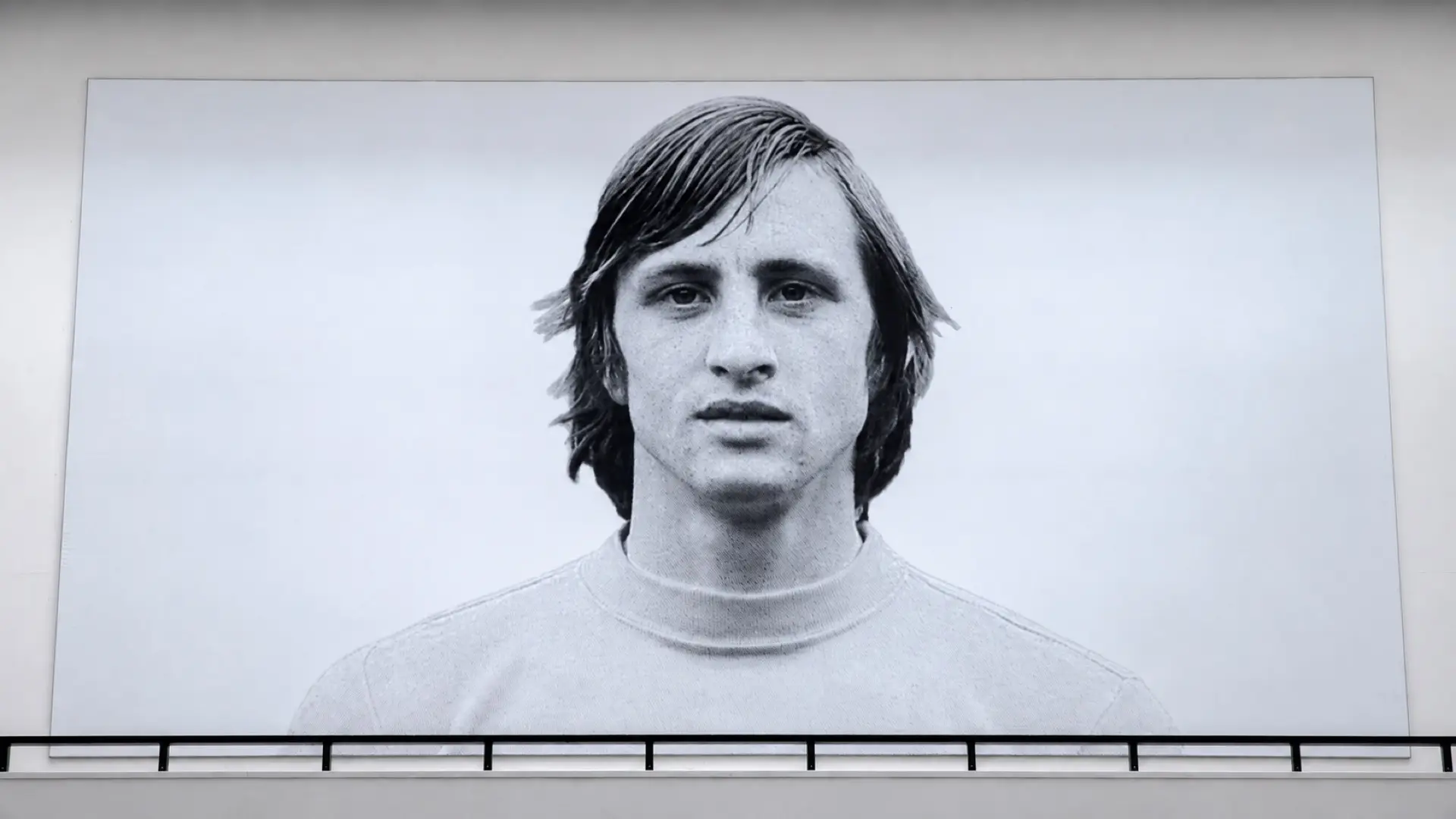
Ajax retired Johan Cruyff’s No. 14 on his 60th birthday in 2007. Cruyff had transformed an unusual shirt number into one of football’s most recognizable identities, first as the centerpiece of Ajax’s great European side and later through ideas that continued to shape the club long after he’d stopped playing.
AC Milan did the same with Franco Baresi’s No. 6. Baresi spent 20 senior seasons with Milan, made 719 official appearances and captained the club through one of the greatest periods in its history. When he retired in 1997, Milan withdrew the number that had become synonymous with its captain.
Milan later retired another number for another one-club icon. Paolo Maldini wore No. 3 during a 25-season senior career with the Rossoneri. There’s an unusual family exception attached to its retirement: Milan left open the possibility that one of Maldini’s sons could inherit it if he reached the first team.
Captains whose numbers became club history
Across the city, Inter withdrew Javier Zanetti’s No. 4. Zanetti made 858 appearances for Inter, more than anyone else in club history, and captained the team that won the Champions League in 2010. His No. 4 hasn’t returned to the Inter squad since his retirement.
West Ham waited decades before permanently removing Bobby Moore’s No. 6. The club retired it in 2008, 50 years after Moore made his West Ham debut. The captain of England’s 1966 World Cup-winning team had already been gone from the club for more than three decades, but No. 6 had never stopped being associated with him.
Cagliari made the same kind of connection with Gigi Riva. The club retired his No. 11 in 2005. Riva had led Cagliari to the only Serie A championship in the club’s history in 1970 and became so closely identified with Sardinia that the number eventually became another part of his legacy.
Shirt numbers retired in remembrance
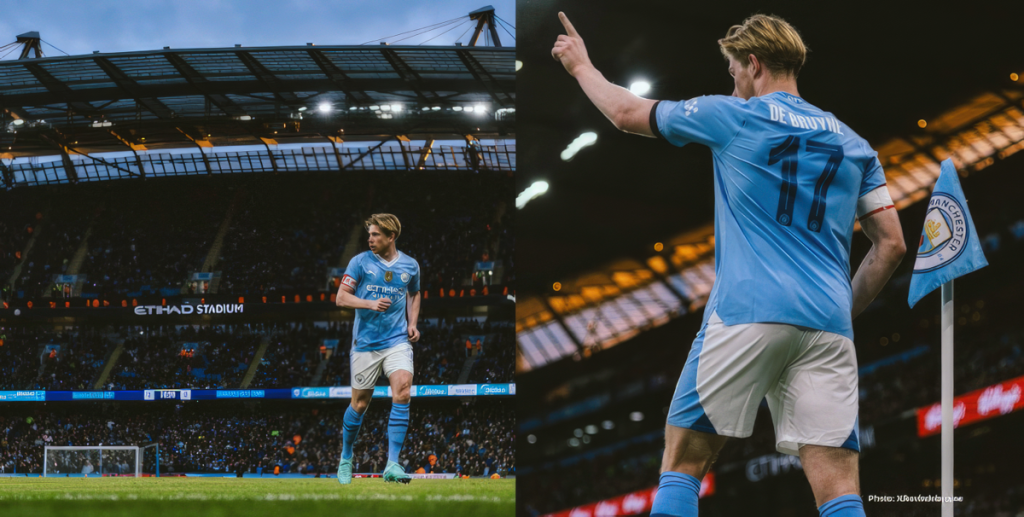
Other shirt retirements came from tragedy. Manchester City withdrew Marc-Vivien Foé’s No. 23 after his death in 2003. Foé had spent the previous season on loan at City before collapsing while playing for Cameroon at the Confederations Cup. Nobody has worn City’s No. 23 since.
Liverpool retired Diogo Jota’s No. 20 following his death in 2025. The decision went further than the first team. Liverpool withdrew 20 across its men’s team, women’s team and academy, making Jota the first individual in the club’s history to receive that honor.
Jude Bellingham’s unusual place on the list
Then there’s Jude Bellingham. Birmingham City retired his No. 22 when he left for Borussia Dortmund in 2020 at just 17 years old. He’d made only 44 senior appearances and scored four goals. Even the number had a story behind it: during his academy development, Bellingham was encouraged to think of himself as a player capable of being a No. 4, No. 8 and No. 10. Add them together and you get 22.
Bellingham’s case remains the outlier. Cruyff, Baresi, Maldini, Zanetti and Riva had completed careers that made their numbers inseparable from their clubs. Foé and Jota were memorialized after lives ended far too soon. Birmingham retired Bellingham’s shirt before anyone knew how the rest of his career would unfold.
Football usually treats shirt numbers as inheritances. One No. 10 follows another. A captain retires and somebody else eventually wears his number. Retiring a shirt deliberately breaks that chain. In a sport where numbers are constantly recycled, these are the rare cases in which a club decided one belonged to a player for good.
View this post on Instagram