
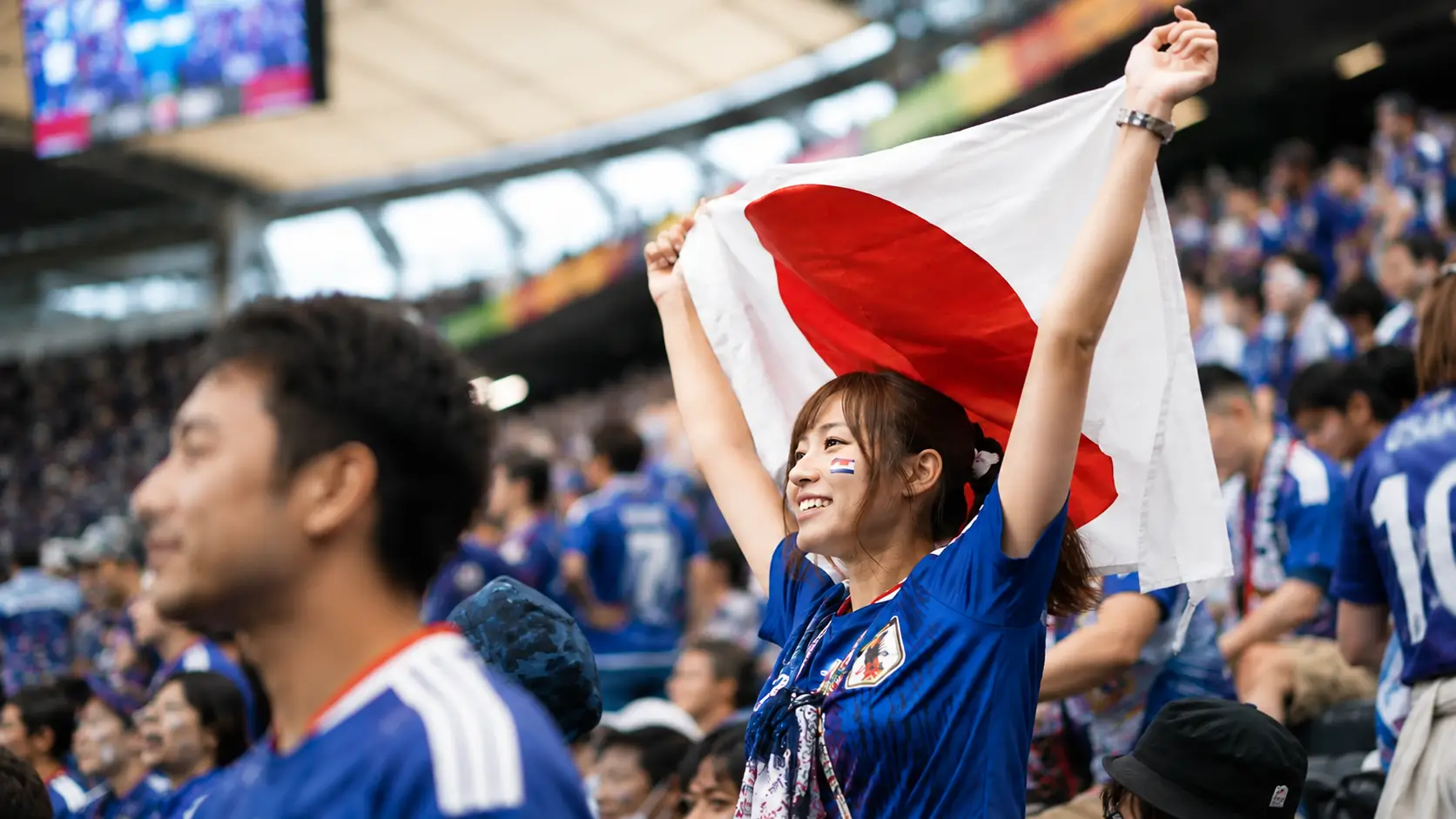
Japan’s fans stayed to clean Dallas Stadium after their draw with the Netherlands. They produced blue bags, collected cups, wrappers, and bottles, folded what could be folded, and left. Then, because the story needed symmetry, photographs emerged of the dressing room in the same condition: chairs stacked, towels aligned, bibs arranged near the door.
The gesture is now a minor World Cup institution. It appeared at the 1998 France tournament, reappeared at later tournaments, and has been photographed often enough to become part of Japan’s tournament identity. When a habit survives that long without a coordinator or a slogan, you can be fairly confident it isn’t performance. It’s culture.
The proverb invoked in these situations is Tatsu tori ato wo nigosazu, don’t muddy the water after you leave. The English rendering is clumsy, but the idea isn’t. A borrowed space should be returned in the condition it was received. This is not a philosophical position. It is closer to a traffic rule: enforced by social expectation rather than law, universal enough to count.
What’s striking about the Dallas images isn’t the act itself but its location. These supporters weren’t at home. They were in North Texas, inside a venue designed by someone else, staffed by workers hired to absorb the mess of spectacle. Every structural incentive said: leave it. Exit, catch the car, let the professionals handle the aftermath. The Japanese supporters did not take the hint.
Why the cleanup travels
There’s a word in Japanese, mottainai, that gestures at why. Usually translated as “what a waste,” it carries something fuller: an objection to treating things as disposable once they’ve served their immediate purpose. The cup is empty. It is also, in some small sense, still a cup. The seat row could be cleaned by someone else. It will not be.
Whether this has roots in Shinto purification rites or annual ōsōji cleaning before the New Year is an interesting question for anthropologists. For everyone else, the point is simpler. Japanese schools commonly assign students to clean the spaces they use. The lesson doesn’t require a speech. The hallway is a shared resource; the child who broke something in it picks it up. For many, by the time that child is an adult in an Arlington stadium, the habit has calcified into instinct.
Compare the usual arrangement. A spectator drops something, exits, and a stadium worker navigates the rows afterward. The labor is absorbed, invisible, tucked into the ticket price. The fan never sees it and doesn’t need to. The Japanese habit interrupts this comfortable arrangement, not noisily, not with hand-lettered signs, but by simply refusing the role of passive consumer that every large venue has prepared for them.
Jameis Winston, working for FOX at the tournament, reportedly joined in. Whether he appreciated the cultural weight of what he was doing is unknowable. That it looked natural rather than staged says something.
The scoreboard recorded 2-2. The rows recorded something harder to quantify: a country’s relationship to shared space, carried abroad and deposited, undramatically, in a Dallas stadium. The spectacle ends with the final whistle. The ritual doesn’t.