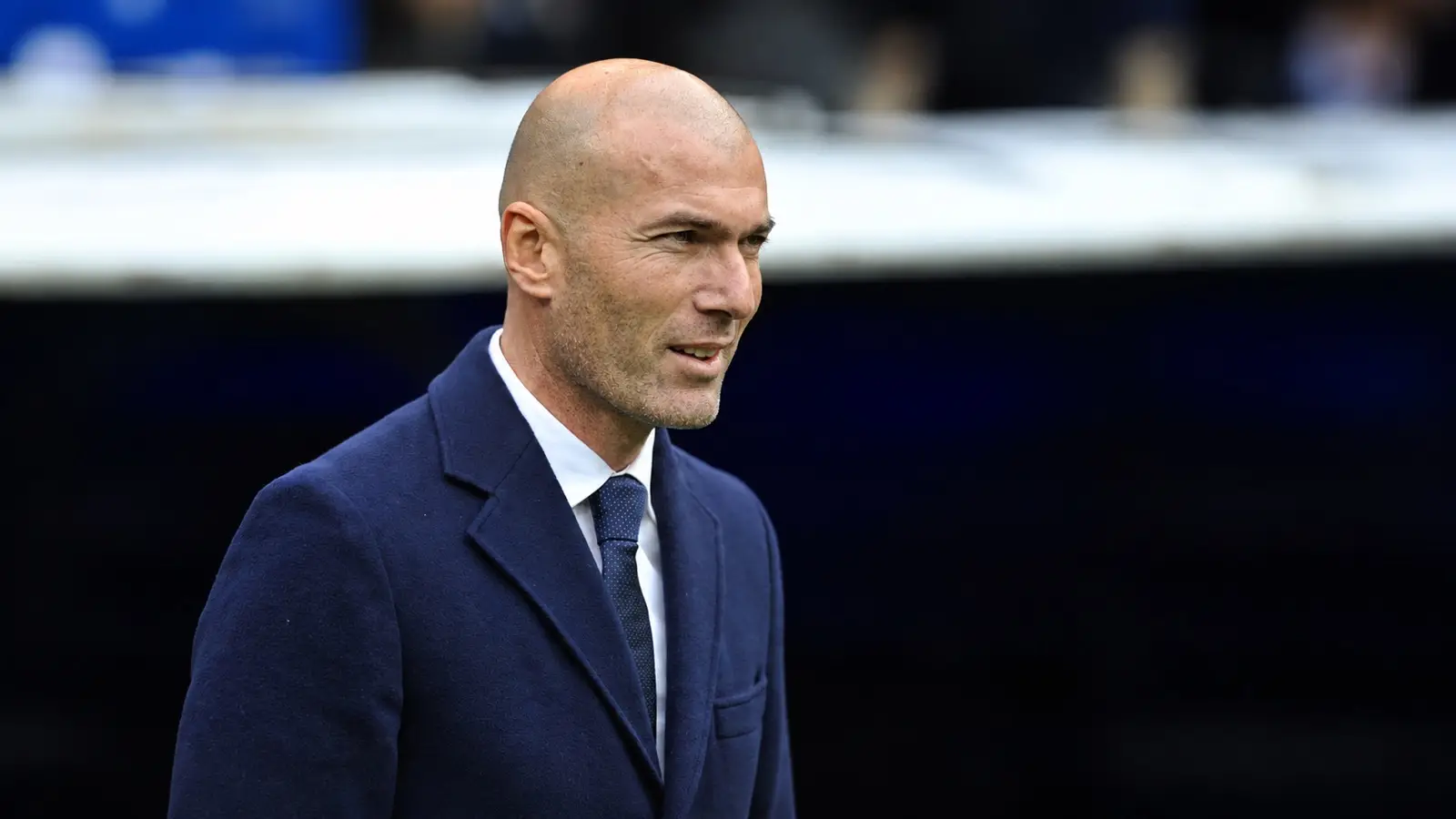
Before Marcello Lippi coached Italy against Zinédine Zidane in the 2006 World Cup final, he helped the Frenchman become a Juventus star. The man in the opposing dugout had once been the coach insisting Zidane belonged in his team.
That relationship gives Zidane’s first home match since taking charge of France a richer history than a revenge story allows. France hosts Italy today at the Stade de France, where its new coach will face a country whose lessons he’s still drawing on.
Twenty years have passed since Zidane’s dismissal for headbutting Marco Materazzi in Berlin. Thirty have passed since he joined Juventus. One incident ended his last appearance as a player. Five seasons in Turin helped prepare him for many of his greatest ones.
Ousmane Dembélé rejected the revenge premise when it came up before the match. He described a coach full of enthusiasm but focused on his work and his instructions to the team, rather than settling an old score.
Zidane’s own explanation pointed toward his Italian influences. Asked about Lippi, he credited him and the other coaches he worked with in Italy, particularly for their tactical teaching. He wasn’t promising to reproduce their teams. He was acknowledging the lessons he still carries.
What Zidane brought back from Italy
At the launch of a documentary about Lippi in 2024, Zidane recalled an arrival in Italian football that hadn’t been straightforward. Coming from France meant adjusting to a different environment. Lippi wanted him at Juventus, selected him and wanted him to stay when things initially went badly. Zidane’s account of that relationship began with trust, not a formation.
Zidane stayed for five seasons, making 212 appearances and winning two Italian league titles. He won the 1998 Ballon d’Or while at Juventus and was still a Juventus player when France won the World Cup and Euro 2000. In the club’s Hall of Fame tribute, he describes it as “a place where I really learnt what ‘competitiveness’ meant as a player.”
Nor did France and Italy’s rivalry consist only of French disappointment. Zidane was in the France side that beat Italy in the Euro 2000 final, when David Trezeguet’s golden goal completed a comeback. Six years later, Lippi’s Italy won the World Cup on penalties. Their shared history contains victories and defeats on both sides, alongside relationships that survived them.
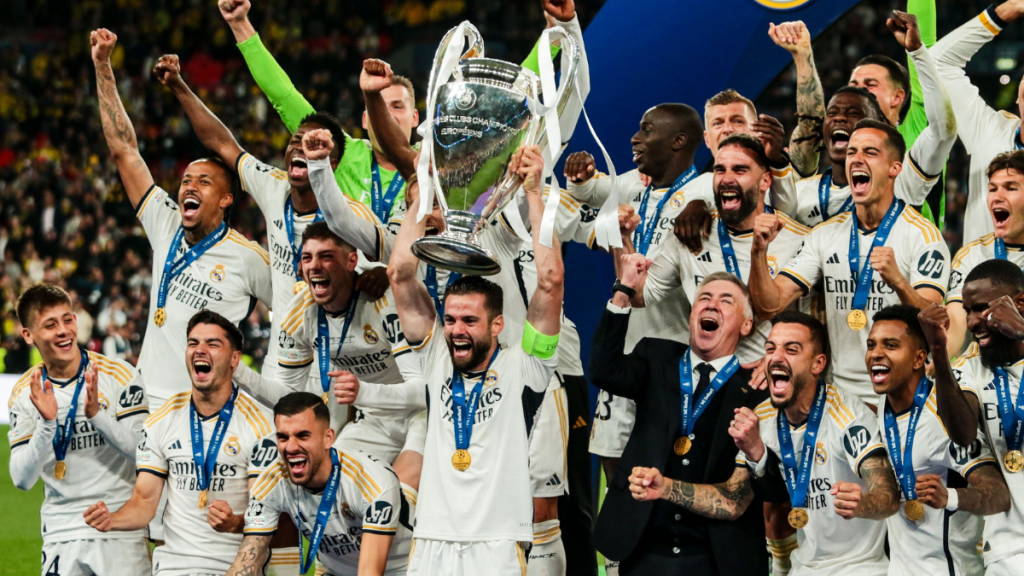
Zidane has since won three consecutive Champions Leagues as Real Madrid’s manager. He doesn’t arrive in international coaching as an untested former player trading solely on his name. The question is how he adapts his experience to this group, with less time together than a club team and a different set of attacking strengths.
Italy’s influence remains visible in the squad itself. Seven members play their club football there, including Mike Maignan and Adrien Rabiot at Milan and Manu Koné at Roma. Koné described the teasing he exchanges with his Italian teammates before the fixture. These are opponents who share training grounds, not strangers meeting only through national-team history.
France has started with consecutive 1–0 away wins over Turkey and Belgium. Six points and two clean sheets offer a solid foundation, but two narrow victories don’t yet define what Zidane’s team will become.
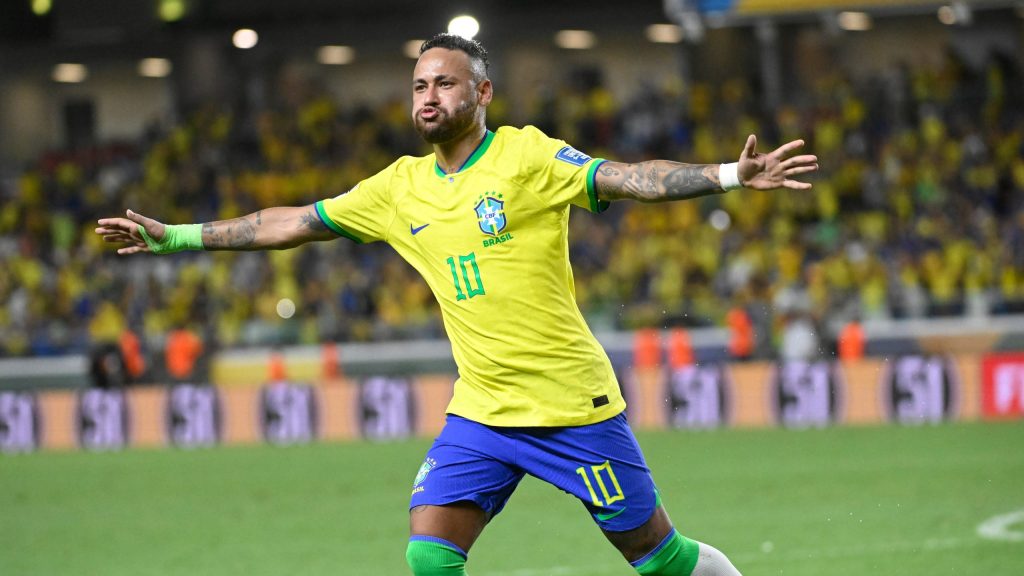
With Kylian Mbappé unavailable, Dembélé’s role offers something more immediate to examine than the manager’s memories. The forward says Zidane has given him freedom to drop deeper and help the midfield construct attacks, while using him in the central position he knows from PSG.
That movement needs a response around him. When Dembélé comes toward the ball, someone else has to threaten the space behind Italy’s defense. His freedom can connect France’s midfield and attack, provided teammates make the runs that keep Italy’s back line occupied. The coordination of those movements will say more about Zidane’s early work than another replay of Berlin.
Roberto Mancini’s return to Italy presents a different assignment. His side followed a 2–0 defeat to Belgium with a 4–1 win in Turkey. Mancini considers France further ahead and sees this match as a measure of Italy’s development. He still wants his players to try to control the ball rather than abandon that ambition against stronger opposition.
The Stade de France supplies its own memories, separate from the final played in Germany. Zidane returns to the stadium where his two headers helped deliver France’s first World Cup. That achievement deserves its place in the homecoming, too.
A Nations League win can’t rewrite Berlin. It can reveal a little more about the coach Italy helped produce.