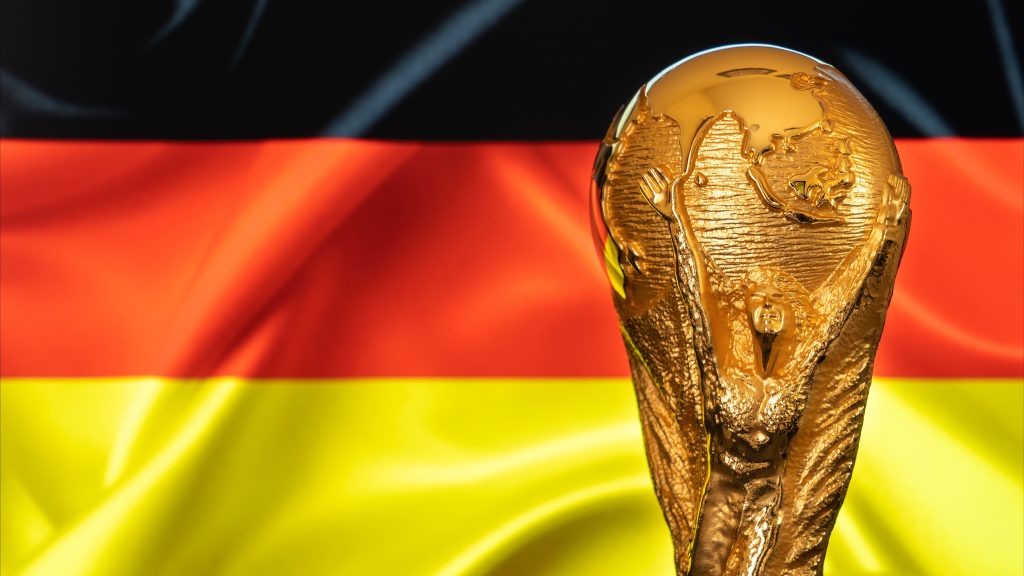
Germany is a national team whose reputation is well known, even before you see the lineup. Even if you don’t watch the qualifiers, you’ve probably heard how they’re organized, tough under pressure, and built for big tournaments.
That reputation is what makes following Germany at a World Cup so interesting. When they’re playing well, you can sense the team’s confidence—games get tighter, opponents make rushed choices, and Germany seem to guide everything toward the key moment. When things aren’t going well, the discussion around them heats up fast, because Germany aren’t seen as just another contender. They’re seen as the standard.
To really follow Germany in 2026, think of the tournament as a series, not just a collection of highlights. Get to know the team and what their fans expect. Learn about the key players who shape their style. Then create a matchday routine: decide where you’ll watch, who you’ll watch with, and which rivalries and stories will make each match special.
Who Germany are
Germany’s football identity is based on trust and reliability. Around the world, people see them as a team that stays calm, makes the most of every moment, and can win even without playing perfectly. This reputation comes from years of deep tournament runs, late goals, and matches where Germany stays composed while their opponents seem to lose control.
But today’s Germany is more than just structure. The team now features creative players who can carry the ball, work in tight spaces, and turn safe possession into real chances. This mix of classic control and modern attacking flair is what makes them exciting right now.
Their fans show the same mix of tradition and passion. On Germany matchdays, you’ll see black, red, and gold everywhere, and the emotions are clear. The atmosphere is confident, united, and demanding. Germany fans don’t come to the World Cup looking for a feel-good story—they expect the team to be competent and judge them by whether they look composed, connected, and focused when it counts.
A useful way to understand GermanOne of the best ways to understand Germany’s fan culture is to see how social it is. Big matches are meant to be shared. In Germany, that usually means public viewing in city squares, fan zones, beer gardens, or packed bars where everyone reacts together. Even if you’re watching from North America, the idea is the same: create a shared experience, because Germany at a World Cup feels different when you watch with others. Germany, every World Cup matters because the baseline goal isn’t “make a run,” it’s “contend.” That expectation is part of their identity, and it shapes the entire experience of following them. Wins are treated like business. Narrow wins are treated like warnings. And big performances instantly shift the tone to: “This might be real.”
In 2026, that pressure lands in a tourIn 2026, that pressure will play out in a huge tournament. North America brings longer travel, different climates, and host cities that can create very different match settings from one game to the next. The competition’s rhythm will feel less predictable than a single-country World Cup, which will test how well teams can stay focused and ready over a long month.tory is still about confidence and identity. In recent years, the main question hasn’t been about talent, but whether they have a stable tournament identity. The World Cup is where Germany usually come together as a team, and where small details like tempo, discipline, finishing, and game management decide if they’re just a quarterfinal team or a real title contender.
That’s why it helps to think about Germany in three parts: the spine, the creators, and the closers.
The spine is the calm center of the team, usually made up of a controlling midfielder, a solid defense, and leaders who keep the group steady when things get tough. If Germany looks connected through the middle, they usually look like themselves.
The creators are the players who give Germany a modern feel. Jamal Musiala and Florian Wirtz are the ones who change the team’s style, because they can create chances out of tight spaces, quick turns, fast combinations, and dribbles that force mistakes from defenders. If you only follow two Germany players during the tournament, choose them. You’ll get a sense of Germany’s attacking mood by how often they’re involved and how much freedom they have.
The closers are the players who turn Germany’s control into goals. Germany can attack in different ways depending on the opponent and the situation. Kai Havertz adds movement and smart runs, helping Germany create overloads and arrive late in dangerous spots. Niclas Füllkrug offers a classic penalty-box presence, giving defenders a traditional target to worry about. If you want to understand Germany like a local, watch which option they use and when they change it, because that often shows how they plan to win the match.
There are also players you’ll notice if Germany goes far in the tournament: the substitutes who might not start every game but can change things from the bench, score an important goal, or help protect a lead. Every World Cup introduces fans to a few new German names. If that happens in 2026, it will show whether Germany’s squad is deep enough for a long run.
How to follow Germany match by match
Germany’s 2026 group-stage schedule makes planning easy, because it shows you how to follow along. Their group matches are in three big cities: Houston, Toronto, and the New York/New Jersey area. That’s a true North American journey, not a quick trip, and it affects everything from travel and recovery to the kind of crowd Germany will face.
If you’re going in person, it’s best to treat the schedule like a tour. Choose a base region and plan for one big trip, instead of trying to visit every city. Toronto and the NYC area are close to each other, while Houston is farther away. Even if you’re not traveling, the location still affects the atmosphere. Each host city brings a different mix of fans, and Germany’s support can feel very different depending on whether the stadium is full of neutrals, opponents, or traveling German fans.
When the tournament begins, set up a weekly routine that keeps you updated but doesn’t overload you.
Early in the week, check squad updates and training clips to understand health, selection, and who’s trending toward minutes. Germany’s biggest advantage at tournaments is usually emotional control, and nothing disrupts that faster than uncertainty about availability or role changes. Knowing who’s fit and who’s being trusted gives you context before you even see the lineup.
The day before the match, watch for hints about the lineup and tactics. Germany’s formation often shows what kind of game they expect. If the lineup focuses on control and keeping the ball, Germany is saying, “We’re going to set the terms.” If it’s more direct and focused on getting into the box, they’re saying, “We want to win with pressure and finishing.” These choices matter because Germany often wins by picking the right approach for each opponent, not by sticking to just one style.
On matchday, try to watch with others if possible. Germany at a World Cup is meant to be a shared experience. Whether you’re in a busy soccer bar, a German-themed spot, or a fan zone, the atmosphere is a big part of the day. The best Germany matchdays have a special energy: early confidence, growing excitement, and a shared feeling when the big moment arrives. You don’t need to know every chant to feel it—you just need to be surrounded by people who care.
To keep things simple, don’t spend matchday searching for the perfect spot. Choose one main place to watch every Germany match—maybe a German-themed venue, a cultural club, or a soccer pub with a good crowd. Also, keep an eye out for pop-up watch parties as the tournament gets closer. Consulates, cultural groups, supporter clubs, and official fan zones often announce screenings at the last minute, and sometimes the best atmospheres show up just days before the match.
After the match, don’t just watch the goals again. Look at the patterns. Where did Musiala and Wirtz get the ball—out wide, in the center, or between the lines? Did Germany stay calm in midfield, or did things get frantic? Notice what changed after key moments, like the first goal, a substitution, a yellow card, or a missed chance. Germany’s World Cup story often comes down to these shifts: when they take control, when they increase the pressure, and when the opponent starts to feel the clock ticking.
There’s one more thing that makes following Germany so emotional: their rivalries.
Germany’s rivalries come in three types, and knowing them helps explain why some matches feel more intense. There are neighbor rivalries, which are personal and cultural as well as sporting. There are heavyweight rivalries, built on past tournament battles and memorable games. And there are modern benchmark rivals—top teams that show, in one match, whether Germany is truly among the best right now. Even if these rivals aren’t on the schedule, they still shape how fans talk about expectations and what “success” means.
That’s how to follow Germany in 2026: not just as a list of facts, but as a living story with its own cast, standards, and a rhythm that grows with every match.