
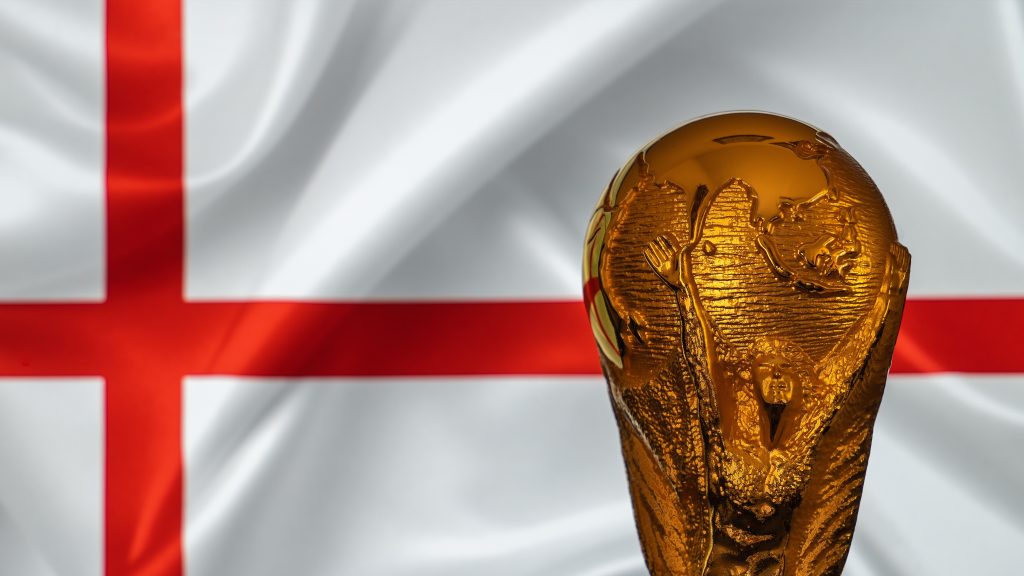
Following England at a World Cup is about more than checking scores. It’s about feeling the pressure of supporting the team, learning who the key players are, and making plans to watch or travel so the tournament feels real, not just something you scroll past.
Supporting England has its own rhythm: belief, nerves, humor, and then belief again—sometimes all in one half. When things go well, it feels like a festival of white shirts and St. George’s Cross flags. When it gets tense, the mood can change with just one bad pass.
For 2026, the best part is how clear the schedule is. England’s group-stage route is set early, so you can plan ahead. It’s easy to follow: three U.S. cities, three different matchday experiences, and kickoff times that work well for local watch parties and meetups.
England is scheduled in Group L alongside Croatia, Ghana, and Panama. Their group matches are listed as England vs. Croatia on Wednesday, June 17, 2026 in the Dallas/Arlington area; England vs. Ghana on Tuesday, June 23, 2026 in the Boston/Foxborough area; and England vs. Panama on Saturday, June 27, 2026 in the New York/New Jersey area. If you’re building this as an evergreen guide, add one short line of reassurance: always verify final match details on official tournament channels closer to kickoff, but treat this route as your planning anchor.
The England experience: identity, expectation, and why 2026 matters
England’s soccer identity carries a special kind of weight. The team is always surrounded by history, expectations, and debate, sometimes even louder than the soccer itself. Even when England plays well, people quickly start asking what it all means: is this finally the tournament where potential turns into success, or is it another chapter of coming close but not quite making it?
That pressure is why following England feels intense, even in the group stage. Other countries can treat early games as a warm-up, but England rarely gets that chance. Every performance becomes part of a bigger debate, and things can go from calm to chaotic fast, especially online where every missed chance gets judged right away.
England’s fan culture both eases and adds to the tension. On matchdays, you’ll see white shirts everywhere, St. George’s Cross flags over shoulders, and crowds that feel like a traveling community. The friendliness is real—strangers become friends in lines, pubs, trains, and outside stadiums. But the emotions run high too. England fans can go from singing with joy to groaning in disappointment in just one counterattack.
To really get England support, you have to know the soundtrack. “It’s coming home” isn’t just a boast—it’s a way fans cope, mixing hope with self-awareness. It’s about believing, but not pretending it’s easy. For new fans, that’s the key: it’s not arrogance, but a national habit of dreaming out loud while preparing for whatever happens.
Why does 2026 matter for England in particular? Because this is a tournament where following your team is also a logistics puzzle, and England’s route makes that puzzle clear early. North America is enormous, cities are spread out, and the fans who enjoy it most will be the ones who decide in advance what kind of follower they want to be: the “one match in person + watch parties for the rest” follower, the “two-city sprint” follower, or the “three-game traveler” who treats the group stage like a tour.
It’s also useful to know about England’s rivalries, since they shape the emotions of the fans even when those teams aren’t on the schedule. Scotland is the neighbor rivalry, full of pride and history. Germany is the big tournament rivalry, shaped by famous moments and stories. Argentina is the emotional one, where old controversies still matter. You don’t need to write a history essay, but sharing this context helps readers see why some matches feel bigger than just another game.
The 2026 route: the cities, the travel reality, and what matchday will feel like
England’s group stage takes place in three very different U.S. settings. The opener in Dallas/Arlington is the classic big American stadium event, with wide roads, a huge venue, and a crowd that grows as fans arrive from all over. The Boston/Foxborough match is a true commuter stadium experience, so you’ll want a plan for getting there and back—it feels like a day trip, not just an evening out. The New York/New Jersey match is more of a tournament carnival, since the NYC area is perfect for pregame meetups and public watch parties, and it’s the easiest place to turn into a full weekend, even if you only go to one match.
Traveling between these cities is simple but important to plan. Dallas to Boston is a real travel day for most people, not a short trip. Boston to New York/New Jersey is much easier, especially if you choose your base wisely. If you want to see all three matches, it’s smart to treat the first two as separate trips with a break in between, then do the last two as a connected Northeast stretch.
Here’s a tip that will save you frustration: Arlington isn’t downtown Dallas, Foxborough isn’t downtown Boston, and East Rutherford isn’t in Manhattan. These are commuter stadiums. Your matchday experience will depend on where you stay, how early you arrive, and if you’ve picked your pregame meetup spot ahead of time.
Now for the fun part: matchday. England will look and sound like England wherever you are. You’ll see white shirts, flags, and hear songs start in small groups and spread until whole sections are singing. The atmosphere starts out social, with people greeting each other, laughing, and sharing travel stories, then gets more focused as kickoff gets closer. Once the match begins, the crowd’s mood follows the game: confident when England is ahead, tense when things get tough, and euphoric when momentum swings back.
You don’t need to list every chant here. Instead, describe the feeling. England crowds start out playful, get intense at kickoff, and then go through an emotional roller coaster that’s both stressful and joyful. If England scores early, the whole day feels like a party. If the match is close, the jokes get sharper, the singing gets louder, and every set piece feels like everyone is holding their breath together.
Since U.S. kickoff times are usually convenient, watch parties will be a big part of following England in 2026. Even if you don’t have tickets, you can get the full experience by picking the right crowd. Treat your watch spot like a mini stadium: arrive early, choose a good venue, and stick with the same place so you start to recognize people and the match feels like a shared ritual, not just background noise.
How to follow like a local: the players, the watch hubs, the daily routine
If you want to follow England without getting overwhelmed, don’t try to memorize the whole squad. Start by learning about the key players—the ones who shape how England plays and how the matches feel—so each game has a story you can follow. When you know these main players, you can focus on the soccer, not just the score.
The easiest way in is to start with the big names. Harry Kane is still the main striker, the player most attacks go through. Jude Bellingham is a modern midfielder—strong, skilled, and confident in big moments. Bukayo Saka changes games from the wings with his direct play and results. Phil Foden can turn a slow match around with a moment of brilliance. Even if you only learn these four names, you’ll have a good sense of what England is trying to do.
Next, get to know the spine of the team, because that’s where the pressure shows. Declan Rice keeps things steady in midfield and often makes chaos feel manageable. John Stones is the key in defense and building up play. Jordan Pickford sets the mood in goal; in knockout games, the goalkeeper can become a real character, not just a position. When matches get tense, these are the players you’ll notice most.
After that, keep a short list of possible breakout players instead of trying to predict everything. Every World Cup creates at least one new fan favorite—a player who starts as a squad option and ends up a cult hero. The best fans aren’t the ones who guess every story ahead of time, but the ones who spot the breakout moment when it happens.
For tickets and travel, give advice that works any year. First, always use official tournament ticket channels and timelines as your starting point. Second, if you want supporter tickets or to join travel groups, connect with the official England supporter network early, since demand is high and the process can be strict and time-sensitive. Third, plan to be flexible, because once tickets and times are set, travel and lodging can fill up fast.
If you’re traveling, here’s some reassurance: England has a strong traveling fan culture, and there are established supporter resources to make overseas trips smoother and safer. This matters more than you might think, especially when you’re in a new city on matchday and need help quickly. Sharing this kind of tip makes your guide truly helpful, not just descriptive.
Now for the watch plan—because following like a local is often about where you watch, not just what you watch. In Dallas, your best option is a British-style pub or soccer-focused bar where people arrive early and treat the match as an event. In Boston, the same idea works, but it’s even more important because the commuter stadium setup encourages meetups and planned gatherings. In New York City, you can dive into the city’s soccer bar culture and turn the match into a full-day experience, since there are more crowd options and a bigger pregame scene.
If you’re watching from England instead of traveling, the most local thing you can do is stick to a ritual. Choose one pub, one group chat, one home routine, or one group of friends. England tournaments are social in a way that’s hard to explain until you experience it, and repeating the same routine is what turns a match into a memory.
To keep up each day during the tournament without getting overwhelmed, follow a simple routine: check official channels for squad news and match updates, use one or two trusted sources for context, then spend most of your energy where the fun is—with the community. Following England is best when it’s shared, because the emotion matters as much as the soccer.
If England makes a deep run, this won’t just be a schedule—it’ll become a story you remember for years. Plan your route, learn the key players, pick your watch spots, and let the rest unfold the way England tournaments always do: loudly, nervously, and together.