Croatia’s 2026 World Cup begins with a high-profile group match against England on June 17 at Dallas Stadium in Arlington, Texas. Kickoff is at 4:00 p.m. Eastern. It’s the sort of opener that makes the tournament feel real right away, even for a team used to playing late into July.
Croatia’s recent World Cup history shows their consistency. The national federation’s records highlight a bronze medal in 1998, a silver in 2018 after reaching the final, and another bronze in 2022. For a country that started competing independently in the 1990s, this is a major achievement.
Croatia earned their spot at the 2026 World Cup by qualifying in November 2025 with a 3–1 comeback win over the Faroe Islands. This match showed how tight modern qualifying can be. Joško Gvardiol scored the equalizer, while Petar Musa and Nikola Vlašić added the other goals, securing first place in their UEFA group.
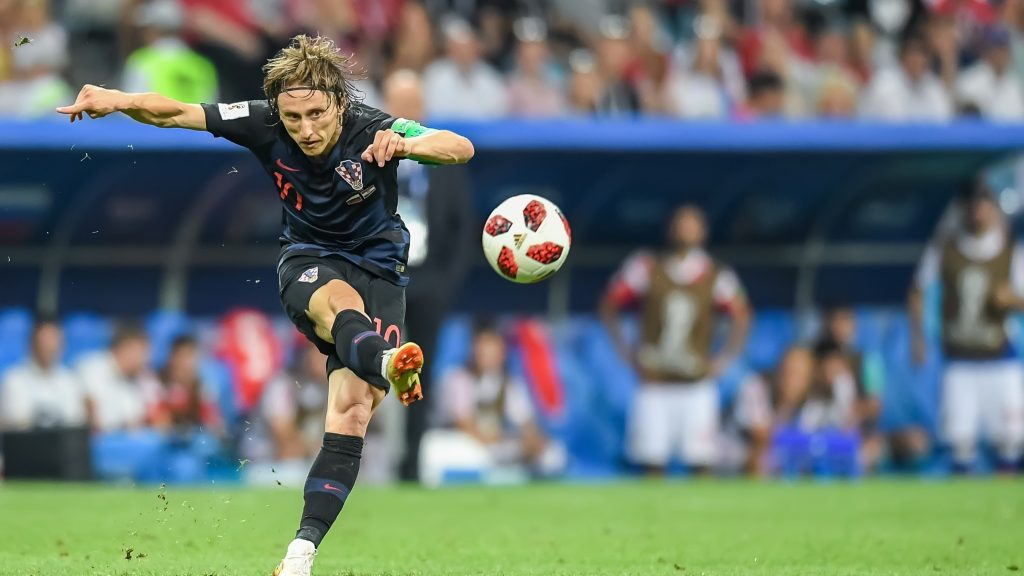
To get a quick sense of Croatia, look at their visuals and language. UEFA lists two important nicknames: “Vatreni” (Blazers/Fiery Ones) and “Kockasti” (the Chequered Ones). The latter refers to the red-and-white squares on their famous uniforms.
Luka Modrić remains central to Croatia’s story. At age 40, he is an AC Milan midfielder preparing for his fifth World Cup and tenth major international tournament, with 193 caps as he nears 200. He said, “The number sounds unreal, and I hope my health holds up and that I will be there.”
The schedule, the players, and the channels to track
The 2026 World Cup is an expanded tournament, 48 teams across 12 groups, hosted by the United States, Canada, and Mexico from June 11 to July 19. Croatia landed in Group L with England, Ghana, and Panama, a mix of styles and histories that makes the group stage feel less like a warm-up and more like a test of adaptability.
Croatia’s group stage schedule is straightforward: three cities in two countries, with simple travel. After playing England in Arlington, they face Panama in Toronto on June 23 at 7:00 p.m. Eastern, then Ghana in Philadelphia on June 27 at 5:00 p.m. Eastern.
Each city on Croatia’s schedule highlights something about this World Cup. Toronto Stadium at Exhibition Place will add over 17,000 seats, reaching a capacity of 45,736, focusing on accommodating more fans rather than tradition. Philadelphia’s host committee lists Croatia vs. Ghana as a key match, showing that important games will take place outside the most famous venues.
Watching Croatia’s matches in the United States is now simple. Fox Sports will broadcast all 104 matches live, with 69 on FOX and 35 on FS1, plus streaming options. Fox will air a record 69 matches on network TV, with the rest on FS1 and streaming available. For Spanish-language coverage, Comcast’s site says Telemundo and Peacock have exclusive rights.
If you prefer following online instead of on TV, focus on sources that provide key updates like squad news, kickoff times, and other important details. The Croatian Football Federation’s verified X account is \@HNS_CFF, their Instagram is \@hns_cff, and their official YouTube channel is \@hns.family.
UEFA’s European Qualifiers pages are helpful for checking which players Croatia has used recently and how often. The UEFA squad list for Croatia includes goalkeepers Dominik Livaković and Dominik Kotarski, defenders like Gvardiol and Josip Šutalo, and a midfield still led by Modrić.
The big platform story, though, might not be a broadcaster at all. The Associated Press reported in January 2026 that FIFA selected TikTok as its first “preferred plA major development for this World Cup is FIFA’s partnership with TikTok. The Associated Press reported in January 2026 that FIFA chose TikTok as its first “preferred platform” for video content, offering special access for creators and a dedicated hub in the app. If you like following teams through short clips and quick updates, this partnership is important because FIFA expects much of the audience to use TikTok.lready sharing the work. UEFA’s qualifying squad list shows Joško Gvardiol (23) as a regular in the cycle, and it also highlights production from forwards who don’t always headline global marketing: Andrej Kramarić (six goals in qualifying appearances listed by UEFA), Ivan Perišić, Ante Budimir, and Petar Musa. The Faroe Islands match adds texture to that list by putting Gvardiol, Musa, and Vlašić directly on the score sheet in the clinching game.
If you want to know which younger players might shape Croatia’s future, UEFA’s data highlights several who have already played in qualifiers: Luka Vušković (18), Martin Baturina (22), Petar Sučić (22), Luka Sučić (23), and Franjo Ivanović (22). While this doesn’t guarantee they’ll make the World Cup squad, it shows who Croatia has trusted in important matches.
The group stage already has a built-in storyline. England and Croatia have recent history: England lost to Croatia in the 2018 World Cup semifinal, then beat Croatia in the Euro 2021 group stage. This history doesn’t decide June 17, but it makes the opening match easy to remember.
What matchday looks like, at least in iconography, is more consistent than most national teams. The chequered identity isn’t branding in the modern sense, it’s the coat-of-arms pattern translated into fabric, which is why “Kockasti” has stuck as shorthand. Croatia’s national-team support structure also has formal and informal layers. Wikipedia notes that the Croatian Football Federation endorses an official fan club called Uvijek Vjerni (“Always Faithful”) and that Croatian communities outside the country contribute significantly to international support.
One cultural reference worth knowing because it shows up around Croatia’s biggest moments is “Moja domovina,” a patriotic song released in 1991. The same source notes that, in recent times, it is usually sung during important sports events and represents a symbol of unity and pride. If you’re trying to understand Croatia’s World Cup atmosphere without reducing it to stereotypes, that’s a more grounded place to start than any single viral clip.
If you’re in a host city but not at the stadium, the best way to watch is often through the official public spaces set up for the tournament. FIFA calls the FIFA Fan Festival the main fan destination, and host cities like Philadelphia are sharing details about fan festival plans and public viewing events.
Croatia’s strength in tournaments like this is their consistency. They keep playing organized soccer no matter the setting, and their experience helps them stay calm in big moments. To follow them in 2026, focus on the core players, track their playing time, and notice who the coach relies on when matches get close.