Belgium heads into the 2026 World Cup with two realities: the country still brings together top talent, but recent tournaments have shown how quickly things can change. With the event taking place in the United States, Mexico, and Canada from June 11 to July 19, this World Cup will test both preparation and performance.
The federation has already signaled a new chapter on the technical side. Belgium appointed Rudi Garcia as head coach in January 2025, replacing Domenico Tedesco, and the agreement runs through the 2026 World Cup. In an international cycle where managers often feel temporary, Belgium chose a coach with an explicit mandate that extends into the tournament itself.
This timing is important because Belgium’s recent success sets high expectations. Their best World Cup result was third place in 2018, after beating England in the third-place match. That achievement is still fresh, so 2026 feels more like a test than a new beginning. The question is whether Belgium can turn years of talent into a strong tournament run.
The tournament’s new format will affect how fans follow Belgium’s group stage and how teams handle risk. The 2026 World Cup will have 48 teams in 12 groups of four, with a new Round of 32. Group winners, runners-up, and the eight best third-place teams all advance. This setup offers more ways to move forward than the old 32-team format, but nothing is guaranteed.
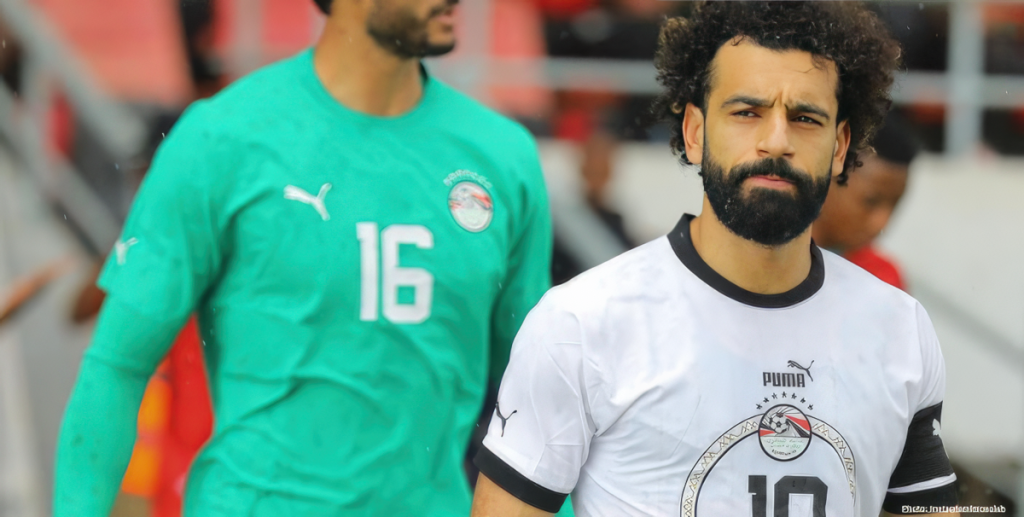
Belgium’s group draw is unusually straightforward for a tournament held in three countries. In Group G, Belgium will face Egypt, Iran, and New Zealand, with all group matches on the West Coast: Seattle, Los Angeles, and Vancouver. While travel is still involved, this setup avoids constant long-distance trips between regions.
A West Coast route and a ticketing gatekeeper
Belgium’s group-stage schedule is clear and easy to plan ahead. They play Egypt in Seattle on June 15, Iran in Inglewood, California at SoFi Stadium on June 21, and New Zealand in Vancouver at BC Place on June 26. Egypt and Iran also play in Seattle on June 26, which is useful for fans interested in tie-breakers or attending multiple matches.
The schedule also shows a key logistical point. If Belgium wins Group G, they will play their next match in Seattle on July 1 against a third-place team from certain groups. If they finish second, they will play in Dallas on July 3 against the Group D runner-up. So, finishing first keeps Belgium on the West Coast, while second place means a big change in travel.
To follow Belgium closely, it’s not just about knowing the match locations. Fans need to know where to find official updates, which sources are fastest, and what decisions to make before everyone else starts booking travel. With such a large tournament, it helps to organize your information early—keep track of official schedules, federation advice, and ticketing details.
Start with the facts that do not drift. Belgium is in Group G. Their three group matches are locked to Seattle, the Los AngelesBegin with the basics: Belgium is in Group G, and their three group matches are set for Seattle, Los Angeles, and Vancouver. These details are the starting point for planning, whether you’re requesting time off, booking travel, or just figuring out when to watch.
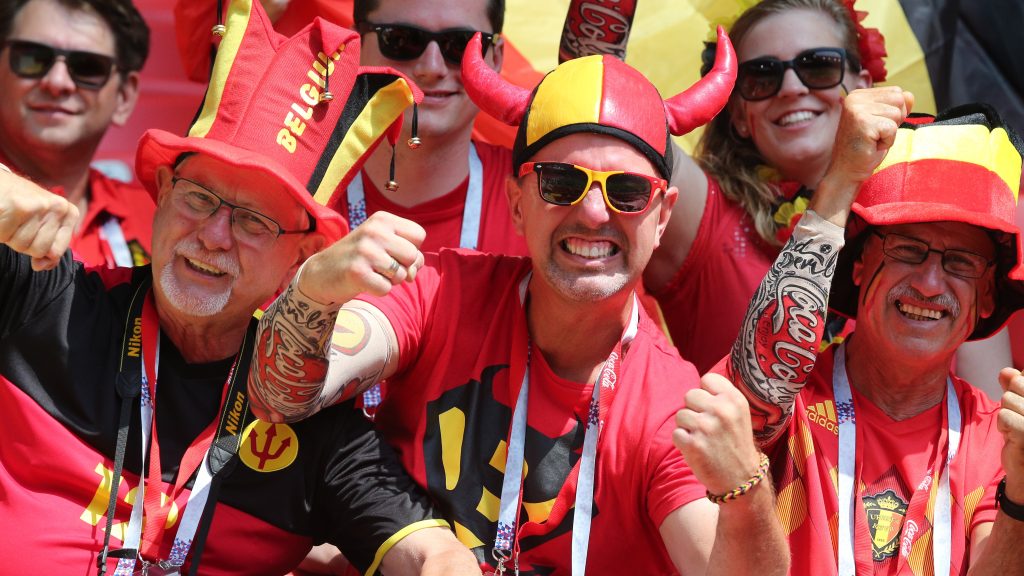
In sections reserved for Belgian fans, Belgium’s system runs through 1895, the federation’s official supporters club. According to reporting on the federation’s announced procedure, access to those reserved sections requires 1895 membership, and allocation priority is based on a ranking built from points earned by attending national-team matches. The same reporting notes that members were set to receive rankings and access codes enabling them to request one ticket per match during a defined window, with allocation handled by ranking when demand exceeded supply.
The number of tickets for Belgian fans is limited. They are expected to get 8% of each stadium’s capacity. This is enough to make a difference in the stands, but not enough to avoid tough competition for tickets. Reports also mention a FIFA resale platform, so some tickets may become available closer to match days, even if the first allocation is tight.
If you’re thinking about joining 1895, see it as a way to get access, not just a keepsake. The federation offers membership for €25, or about \$29. While this isn’t the biggest expense for the World Cup, it could be the difference between sitting with Belgian fans or getting a general ticket.
Once you have the logistics sorted, it’s easier to focus on the football. Belgium’s final squad for 2026 will be decided closer to the tournament, but some key players are already clear. Romelu Lukaku is Belgium’s all-time top scorer, according to FIFA, and is central to their attack. Kevin De Bruyne is another senior leader often mentioned with Lukaku when talking about the team’s core group.
Leadership is also changing for Belgium. In September 2025, Garcia named Youri Tielemans as the new captain, after trying out different players earlier. While captains don’t decide games alone, they often shape how the team handles key moments, like setting the pace or managing disputes during matches.
Belgium’s identity is clear from their nickname. UEFA says Belgium is called the Red Devils in the country’s languages, a name linked to their red shirts and early 20th-century reports. The supporters’ club, 1895, builds on this branding with a formal structure and a clear ticketing process.
If you’re not at the stadium, the best way to watch is often through official or community groups. Belgian diplomatic channels in the U.S. have promoted match watch events, and community organizations have hosted watch parties for national team games. For 2026, the Consulate General of Belgium in Los Angeles confirmed the group-stage dates and locations for the Red Devils, showing how official sources can help fans stay informed during the tournament.
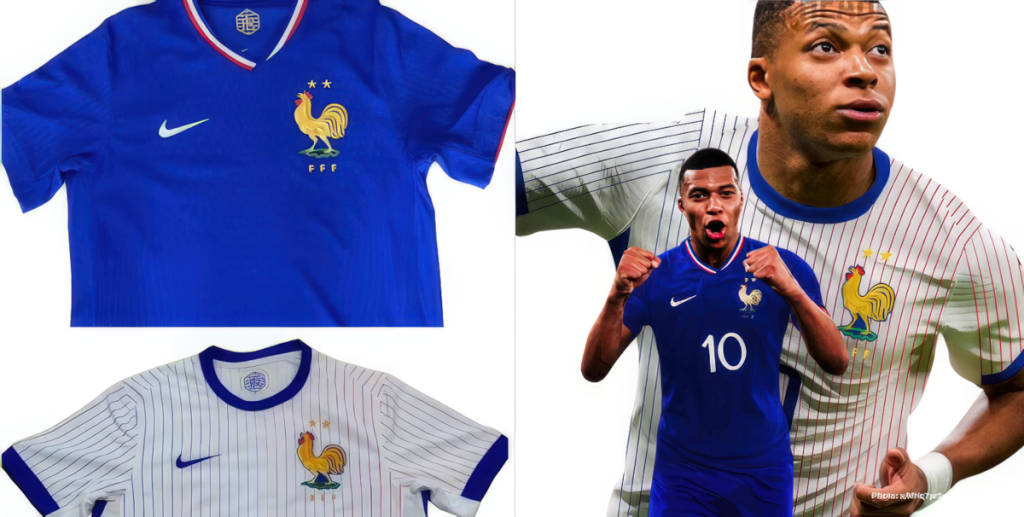
Rivalries add extra meaning for fans and neutral viewers. Belgium’s biggest rivalry is with the Netherlands, with 129 official matches played by September 2022. Another key moment was Belgium’s loss to France in the 2018 World Cup semifinal, showing how close they have come to winning it all.
When the tournament starts, being prepared is more important than making last-minute plans. Know Belgium’s three group-stage venues and dates, and understand how the bracket could keep them in Seattle or send them to Dallas. Treat ticketing as a system with clear rules, and decide early if joining 1895 is right for you. Once the match begins, just enjoy watching a team with recent success, a new coach, and a schedule that’s unusually straightforward for such a big World Cup.