Mariano Rajoy’s column in El Debate began as a football forecast. The former Spanish prime minister looked ahead to Spain’s World Cup semifinal against France, praised the opponent’s record and squad, then added four words that changed the subject: “Eso sí, sin franceses.” In English, he was saying that the French team contained no French players.
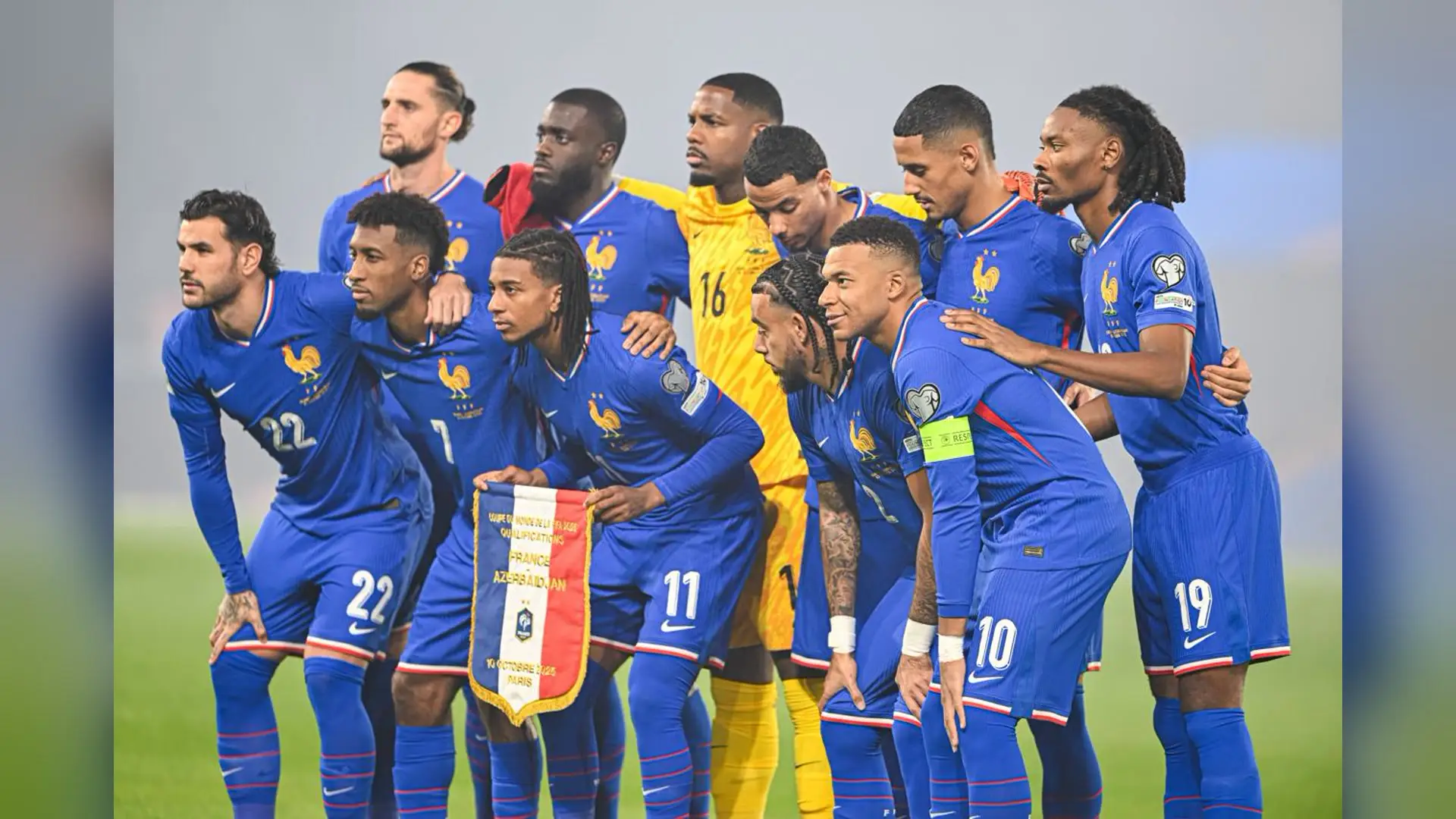
The facts are straightforward. All 26 members of Didier Deschamps’ squad are French citizens, and 23 were born in France. The remaining three aren’t exceptions to Frenchness because their lives began elsewhere. Rajoy’s line depended on a separate standard, one that replaced citizenship with appearance. It created a second passport check, conducted with the eyes.
Pau Cubarsí refused that standard. Asked about the remark, the Spanish defender said anyone representing the French national team is French, regardless of skin color. He didn’t turn belonging into an abstract debate. He returned the question to the players on the field and the country they had been selected to represent.
Borja Iglesias offered a broader answer. He described France’s multiculturalism as a source of richness rather than a problem requiring accommodation. Diversity is often discussed as something sitting outside a nation, waiting to be accepted by it. Iglesias recognized a more accurate picture. The variety is already inside the country.
Rajoy’s Popular Party said the words were intended sarcastically and carried no malicious intent. That may explain the intention, but it doesn’t change the idea printed on the page. Saying France has no French players divides its citizens into two categories. Some are accepted without examination. Others must continually prove that their surname, ancestry or skin color doesn’t cancel the nationality they hold.
The France already on the field
France has encountered this argument across several generations of football. The team that won the 1998 World Cup became associated with “Black-Blanc-Beur,” shorthand for Black, white and North African France. The phrase captured a country with several histories gathered inside one squad. But a slogan isn’t a social settlement. Victory produced an image of multicultural France without resolving every argument about race, immigration and national identity.
The 2018 champions made the same reality visible two decades later. Players could be French while also carrying family connections to Algeria, Cameroon, Mali, Guinea, the Democratic Republic of the Congo and elsewhere. Those histories didn’t compete with citizenship. They described some of the routes through which modern France had been formed.
This World Cup offers another revealing number. Ninety-nine players selected for the tournament were born in France, but only 23 represent the French national team. Others play for countries including Algeria, Senegal, the Democratic Republic of the Congo, Haiti, Tunisia and Morocco. The number reflects both France’s football development system and the diasporas that have shaped the country, where migration and family can place more than one legitimate national connection inside a single life.
International football already has a process for handling those connections. Citizenship, birthplace, family ties, residence and previous appearances can determine whether a player is eligible for a country. The choice can be deeply personal when more than one nation is available. Appearance isn’t part of the test.
Rajoy’s remark also came shortly after a separate racist attack on Kylian Mbappé’s French identity during the tournament. Paraguayan senator Celeste Amarilla questioned the France captain’s belonging after her country’s elimination. Mbappé answered her while carefully separating one politician from Paraguay itself.
The episode exposed the persistence of the test Rajoy’s column later repeated. A Black player can grow up in France, develop inside its football system, win a World Cup and captain the national team, yet still encounter someone willing to treat his nationality as negotiable.
Spanish Prime Minister Pedro Sánchez responded to Rajoy by contrasting two definitions of belonging. One judges people through skin color, surnames and birthplace. The other considers their connection and contribution to a country. The distinction applies naturally to football. A national team isn’t an ancestry exhibition. It is a group of citizens selected to represent the nation they belong to.
A national team makes citizenship visible in a way few institutions can. The names are read aloud, the anthem plays and 26 biographies are asked to carry an entire country’s image. Some family stories begin in France. Others contain earlier chapters in Africa, the Caribbean, Europe or beyond. The shirt doesn’t erase those histories, and it shouldn’t have to.
France isn’t represented despite the backgrounds within its squad. It is represented through them. These players aren’t guests in a national story written by somebody else. They are among its authors.
They do not need permission to belong to France. They already do.