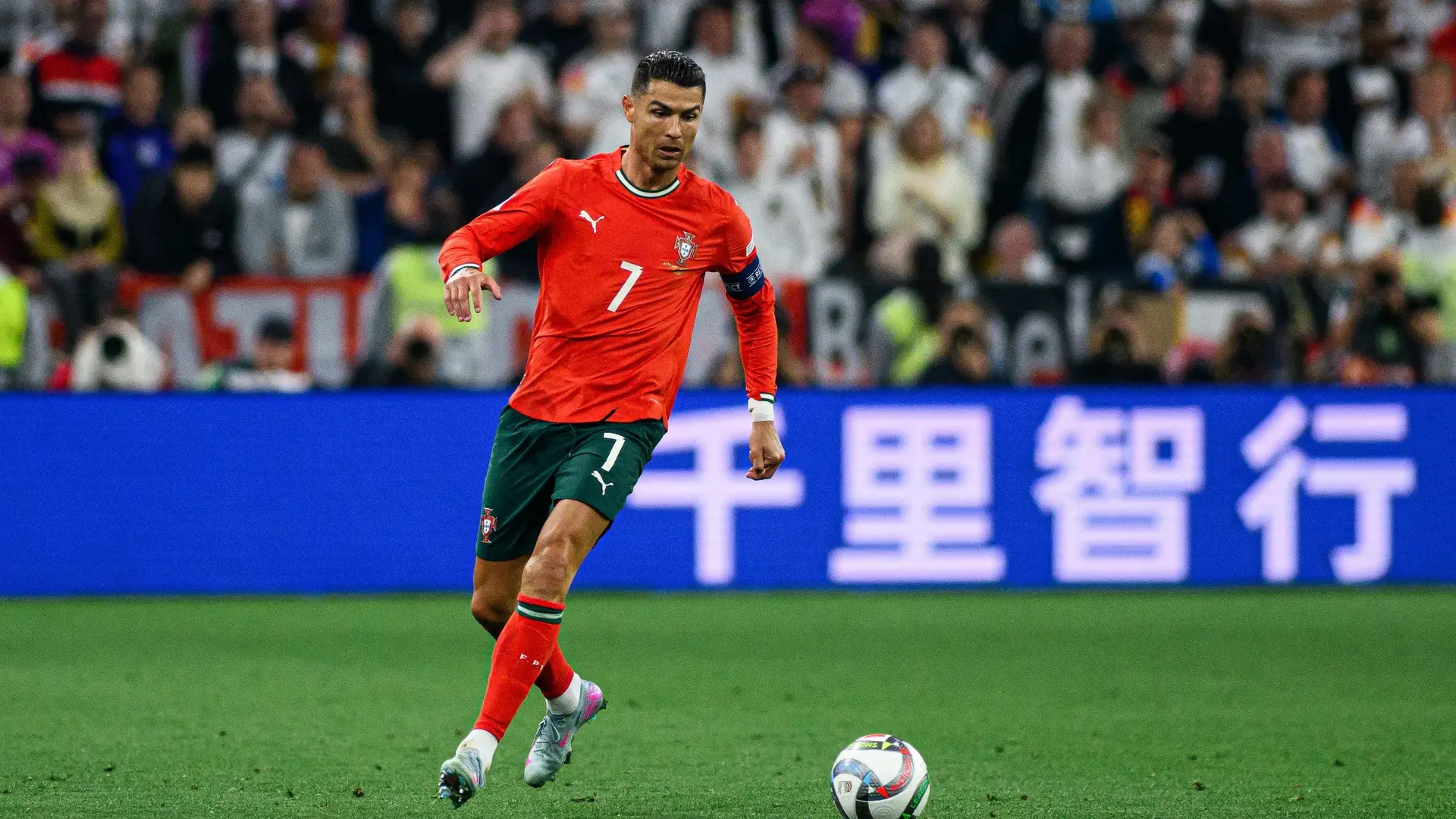
Colombia finished top of Group K with the kind of scoreless draw that still had a shape, a temperature and a consequence: 0-0 against Portugal at Hard Rock Stadium in Miami Gardens, enough to leave Néstor Lorenzo’s side unbeaten and first on seven points.
There were no scorers and no assists to log, but there was plenty to explain. Colombia took 24 shots, put six on target and forced Diogo Costa into six saves. Portugal had 13 shots, only two on target, and spent long stretches leaning on recovery defending rather than turning Cristiano Ronaldo’s presence into clean chances.
The result sends Colombia through as Group K winner at 2-1-0, with Portugal second at 1-2-0 on five points. Congo DR finished third on four points, while Uzbekistan ended without a point. For Colombia, it was control of the section. For Portugal, it was qualification without the authority that a five-goal rout of Uzbekistan had suggested.
Colombia made the running, Portugal survived it
Colombia were sharp immediately. Luis Díaz had an effort blocked inside the first minute, Jhon Córdoba headed over moments later, and Jhon Arias kept appearing between Portugal’s lines. The clearest early pattern was simple: Colombia found shots faster, while Portugal tried to slow the game and pick moments through Bruno Fernandes, João Félix and Ronaldo.

Portugal’s best first-half spell came around the 39th minute, when Fernandes forced Camilo Vargas into a save and Ronaldo’s follow-up was blocked. Ronaldo had already tested Vargas with a free kick, but Portugal never turned those flashes into sustained pressure. Colombia went into halftime with the better rhythm and more entries around the box.
The second half tilted even further toward Colombia’s pressure. Jefferson Lerma and Arias both forced Costa saves in the 55th minute, Richard Ríos missed narrowly after coming on, and Davinson Sánchez headed wide from a James Rodríguez corner. Costa’s best work came when Arias drove one toward the top corner in the 66th minute, a save that mattered as much as any attacking moment Portugal produced.

The table suited both, but Colombia looked happier
The substitutions told part of the story. Portugal changed both full-back and midfield pieces at halftime, with Diogo Dalot and João Neves entering for João Cancelo and Rúben Neves. Colombia waited until the hour, then added Richard Ríos and Luis Suárez to keep attacking the same spaces rather than protecting the draw too early.
Gustavo Puerta’s 86th-minute yellow card was the only booking of a match that had heat without ever fully breaking open. Colombia still pushed late: Suárez missed twice, Daniel Muñoz supplied a stoppage-time cross, and Puerta had one last shot blocked in the 95th minute. Portugal’s late threat was thinner, with Rafael Leão missing after a Renato Veiga pass in stoppage time.

The numbers fit the eye test. Colombia had 54.6 percent possession, 545 passes, five corners and seven blocked shots; Portugal had two corners, 445 passes and relied on 22 clearances. That is not a collapse from Portugal, but it is a warning sign before the knockout rounds: against a compact, athletic opponent, the attack can still become too reliant on moments.
For Colombia, the draw builds on a tournament identity that looks increasingly sturdy. It had already been one of the sides to watch in Stadio United’s look at the best 2026 World Cup home kits, but this was substance rather than style: pressure, volume, and enough defensive calm to keep Ronaldo quiet.
For Portugal, the point keeps the bigger story alive. Stadio United wrote before the tournament about Cristiano Ronaldo’s 2026 World Cup dream, then watched him score twice in the Portugal rout of Uzbekistan. This was the other side of that arc: plenty of legacy in the frame, not enough final-third clarity on the night.

Colombia will take the cleaner route into the knockouts. Portugal will take the route it earned, but with a note attached. A 0-0 can be dull on paper and revealing in practice; this one said Colombia are difficult to move, and Portugal still have to prove they can move the best teams when the easy early goal does not arrive.