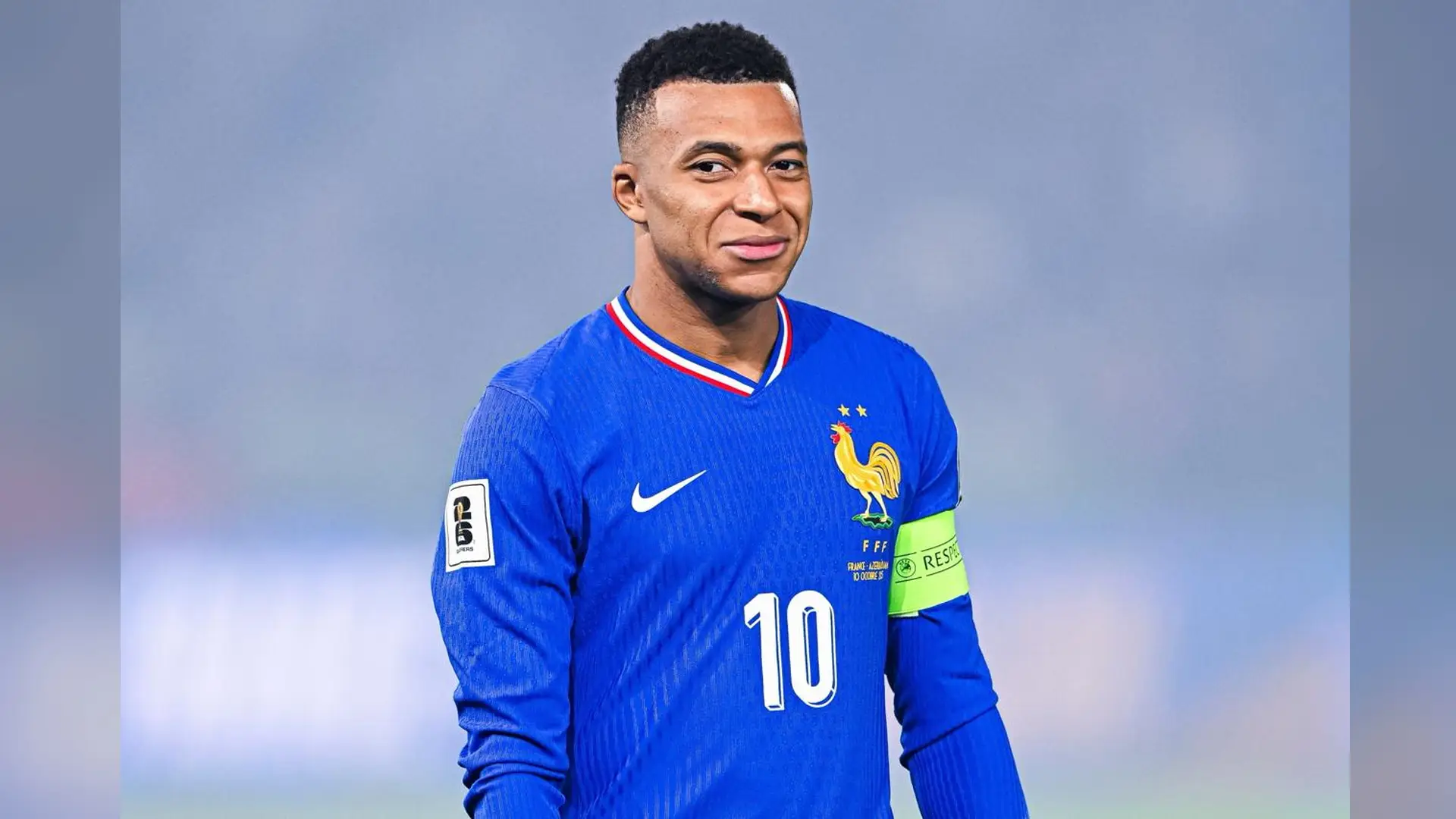
France’s Round of 16 win over Paraguay should have left one image: Kylian Mbappé stepping to the spot in Philadelphia and sending France through. Instead, Celeste Amarilla, a Paraguayan senator, tried to make the aftermath about whether the France captain belonged to the country he represents. After France beat Paraguay 1-0 on Mbappé’s penalty, she posted racist remarks on X attacking his origins, education and appearance.
Amarilla isn’t Paraguay’s president. She is a senator from the country’s opposition Liberal Radical Party. Paraguay’s president is Santiago Peña, whose government later rejected her comments. That distinction belongs near the top because Mbappé made the same separation. He didn’t answer Paraguay. He answered an elected official who tried to turn national disappointment into racial insult.
The game supplied enough tension on its own. Mbappé’s 70th-minute penalty decided a physical match at Lincoln Financial Field and moved France into the World Cup quarterfinals. There was a postgame exchange involving Paraguay goalkeeper Orlando Gill, but no incident on the field can carry the meaning Amarilla forced onto it. She wasn’t analyzing a foul or a celebration. She was questioning a French player’s identity.
Calling this a war of words gives both sides an equality the record doesn’t support. One side played, won and later defended himself. The other used racial language from the position of an officeholder. Mbappé’s answer was severe, calling Amarilla a “despicable woman” and naming her “brazen racism.” The sharper point was civic: she didn’t represent Paraguay.
That separation was soon echoed by institutions. The Paraguayan government said it “deplores and rejects” Amarilla’s statements and said they didn’t reflect the government or the Paraguayan people. The French Football Federation called the remarks “utterly abhorrent and unacceptable” and referred the matter for legal action. French prosecutors have opened an investigation into aggravated public insult and incitement to hatred or violence, with possible penalties of up to one year in prison and roughly $51,450 in fines.
A reply that kept Paraguay separate from Amarilla
Mbappé’s response deserves more credit than a clean quote can hold. He could have answered only as a wounded star. Instead, he placed Paraguay’s players back at the center of their own tournament. His anger was aimed at the politician who dragged them into a spectacle they didn’t need.
The distinction also fits the football. Deschamps is making Mbappé central by design, not only as a finisher but as the figure around whom France’s tournament bends. That status brings attention he can’t shed. It shouldn’t require him to absorb racism as part of the job.
Amarilla’s later open letter made the inversion clearer. She said she regretted some of the racial language, but demanded an apology from Mbappé, accused him of gender-based violence and threatened legal action if he didn’t retract. The tactic shifted attention from what she wrote to how firmly he answered.
Athletes are often told to rise above abuse, as if silence were a higher form of discipline. There are moments when silence becomes permission. Mbappé didn’t protect himself by pretending the attack was ordinary. He protected the boundary Amarilla crossed.
Paraguay’s tournament didn’t need her interpretation. Its players had already shown enough in a narrow knockout defeat to leave with respect. Mbappé’s reply didn’t take that away from them. Amarilla’s posts did. The defining line in his response wasn’t the insult. It was the border he drew around the story: criticism of a player is fair; racist denial of his identity isn’t.