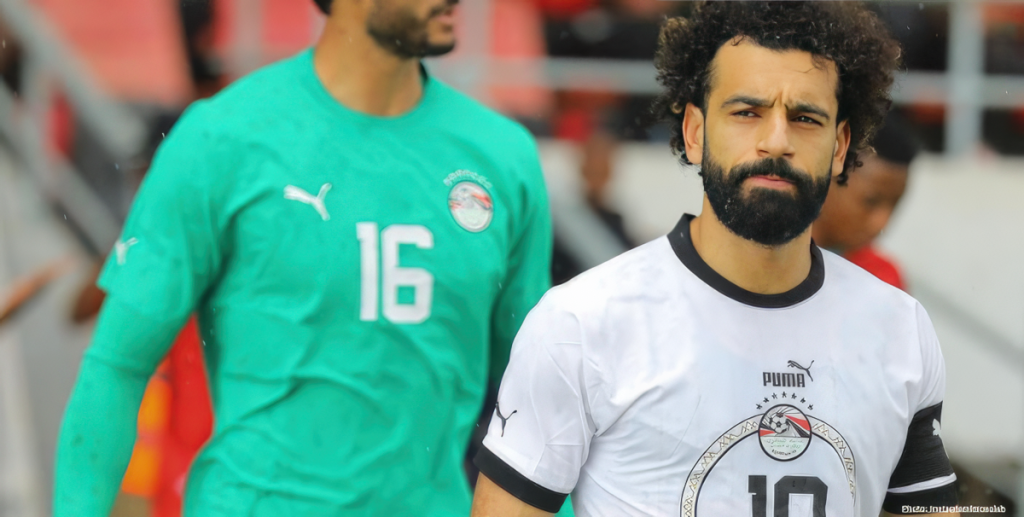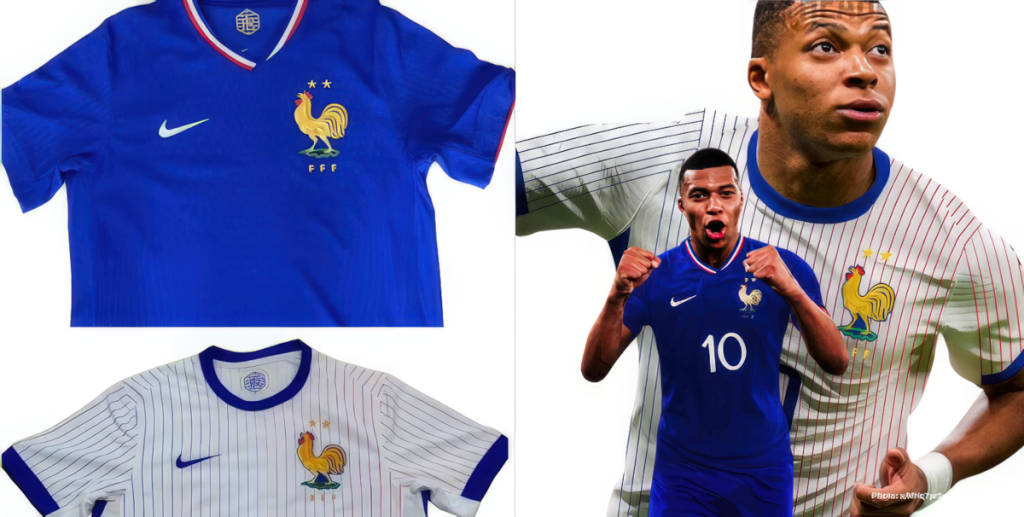
The first week of a World Cup usually belongs to scale: stadiums, ceremony, table math and the careful management of nerves. Then a teenager gets 24 minutes, and World Cup’s next wave starts to feel less abstract. One side is what a team needs now. The other is what a country might become, framed against the wider FIFA World Cup stage.
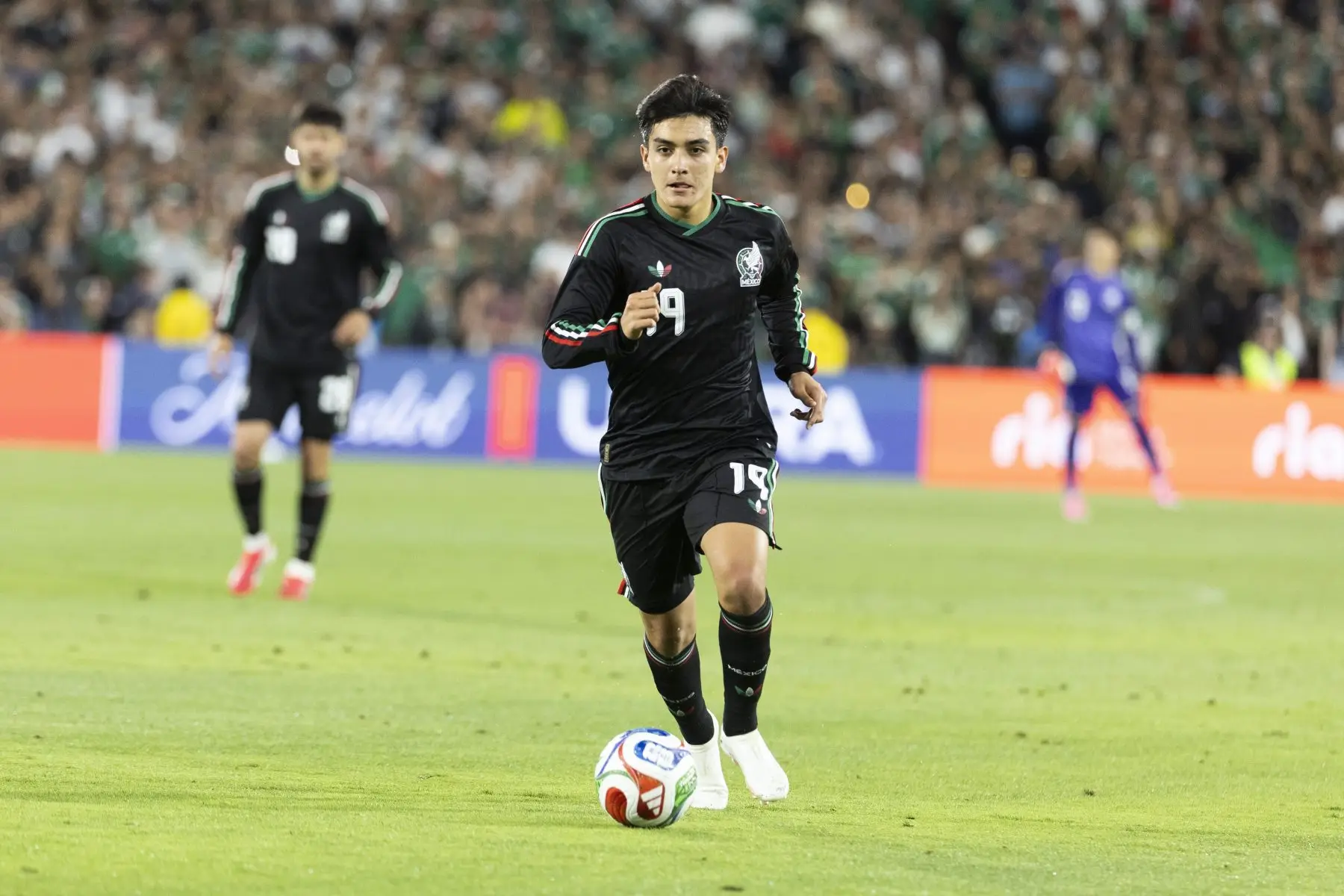
In the World Cup opener at Azteca, Gilberto Mora became Mexico’s youngest men’s World Cup player. He was 17 years and 240 days old during a 2-0 win over South Africa.
Mora didn’t have to decide the result for the moment to matter. His value, at least for now, is the trust itself. Mexico were protecting a lead and opening a home tournament. They still gave a Club Tijuana attacking midfielder born in 2008 his first World Cup minutes. That’s a rare kind of introduction: not decorative, not ceremonial, but competitive.
Ayyoub Bouaddi’s arrival has carried a different weight. The Lille midfielder had his change of international allegiance from France to Morocco approved in May. Less than a month later, he started Morocco’s draw with Brazil. He’s 18, but his game doesn’t lean on teenage spectacle. It leans on position, timing and the refusal to treat the ball like something that must be hurried.
Yan Diomandé gives the idea its vertical version. The Ivory Coast winger, 19, plays for RB Leipzig and brings directness that can change a match’s temperature. Against World Cup defenders, that matters. Speed alone is common. Speed with the confidence to keep asking the same question of a fullback is something else.
The tournament’s younger names are already specific
The rising baller isn’t a type. He isn’t simply young, quick or expensive before the fee arrives. He’s a player whose role is already legible under pressure. Mora is the host nation’s future brought into the present. Bouaddi is midfield control without theatrical excess. Diomandé is pressure in open grass.
Ibrahim Maza belongs in that group because Algeria’s tournament has already demanded a response. After a heavy opening defeat to Argentina, Algeria came from behind to beat Jordan 2-1. Maza was part of the creative structure around Amine Gouiri and Riyad Mahrez. At Bayer Leverkusen, he’s listed as an attacking midfielder. With Algeria, he gives the side a younger connector between possession and risk.
Ben Gannon-Doak is easier to read because his game is so physical in its language. Scotland beat Haiti 1-0 for its first World Cup victory in 36 years. The Bournemouth winger gave Steve Clarke’s team a direct route out of pressure. He isn’t a polished final product, and that’s part of the point. Wide players at this age often reveal themselves through repetition: take the ball, test the space, make the defender defend honestly.
World Cup’s next wave needs roles, not hype
World Cup’s next wave is not limited to players who dominate the frame. Norway’s Antonio Nusa sits in a different shadow. Erling Haaland and Martin Ødegaard naturally take the frame, especially after Norway reached the knockouts for the first time since 1998. Nusa’s role is still worth isolating. A wide player with RB Leipzig, he gives Norway another way to stretch a game. It doesn’t depend entirely on Haaland’s finishing or Ødegaard’s passing angles.
Nestory Irankunda gives Australia a sharper, less settled edge. His opener in Australia’s win over Turkey placed him in the early tournament goal conversation. His wider case is about volatility. He’s 20, now at Watford after leaving Bayern Munich’s orbit, and still carries a profile built on sudden actions. His best moments can arrive before the rest of his game has fully caught up.
Noah Sadiki is the quieter case, which may make him the better test of the category. DR Congo are back at the World Cup for the first time in 52 years. The Sunderland midfielder offers a less cinematic version of youth: legs, discipline, coverage and the ability to make a historic return feel functional rather than symbolic.
These players aren’t all destined for the same level. A few will turn one tournament into a transfer. Others will leave with little more than experience. The best may be better in four years than they are now. World Cup’s next wave exists in that uncertain space, before branding hardens around him and before every touch becomes market value. At a World Cup, that space is brief. For a few matches, a player can still look like a question.