The 2026 World Cup gives the USMNT something it has not had since 1994, a men’s tournament in the United States. The latest dispute over World Cup ticket sales moves that promise from atmosphere to logistics. Before a chant can carry through a stadium, the people leading it have to know where they are.
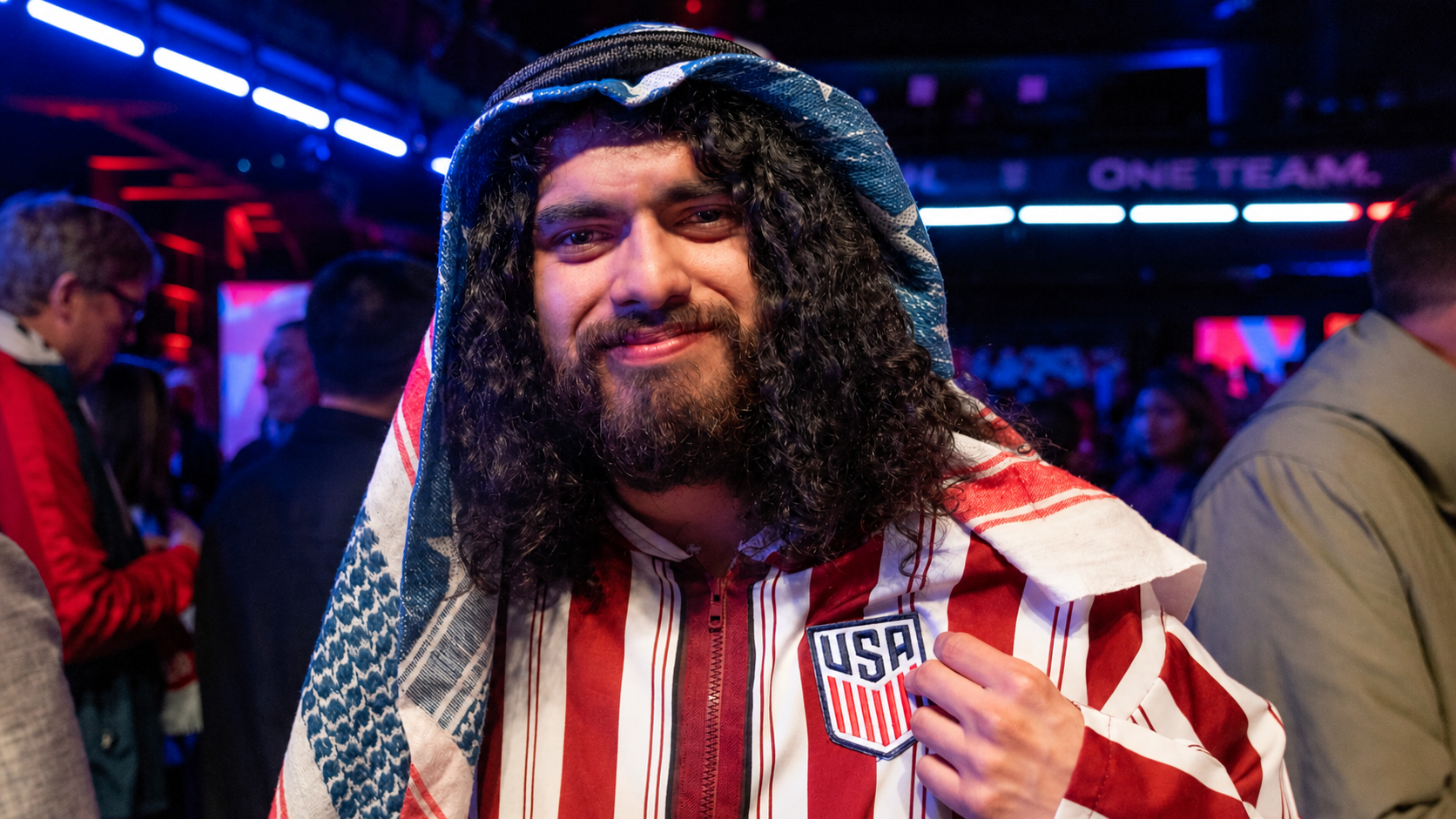
American Outlaws sit at the center of that question. The group, founded in Lincoln, Nebraska, in 2007, identifies itself as the official supporter group of the U.S. men’s and women’s national teams. It lists more than 200 chapters and more than 30,000 members. Its role is not simply to buy seats. It’s to create a shared section, with people standing, singing and moving as one unit.
Recent reporting put that structure in doubt for the men’s World Cup opener. American Outlaws co-founder Korey Donahoo said he was not sure where all of the group’s tickets had been assigned at SoFi Stadium for the United States’ June 12 match against Paraguay. Sports Business Journal, citing Soccer America, traced that organized World Cup role back to the 2010 tournament in South Africa.
The warning signs were already present in American Outlaws’ own ticket update in January. AO’s note said its allotment was too small for its usual member-facing list or lottery. U.S. Soccer’s World Cup ticket FAQ also told applicants they could not choose an exact seat or section during the application process, with seat locations assigned later within the selected category. Prices, U.S. Soccer said, were controlled by FIFA.
A home advantage depends on proximity
FIFA’s PMA supporter system creates the tension. Its ticketing FAQ describes Participating Member Association categories as team-specific and says buyers of those products are placed with fans of the same country. It also outlines Supporter Premier, Standard, Value and Entry tiers. That language points toward a national-team block. FIFA’s separate guidance on sitting together is more cautious, saying the Sit Together function expired on Feb. 22 and that seating together is not guaranteed, even for multiple tickets bought in one transaction within the same category.
The $60 Supporter Entry Tier was designed to make the tournament more accessible to fans tied to qualified teams. It also sits beside FIFA’s broader move toward dynamic pricing for the 2026 tournament, a shift that has made price a variable rather than a fixed baseline. FIFA said Entry Tier tickets account for 10 percent of each PMA allocation, with another 40 percent in Supporter Value and the rest divided between Standard and Premier. That protects a lower price point, but it does not fully answer the sectioning issue. A ticket can be team-specific and still fail to produce a coherent block if assignments are spread across different parts of a stadium.
The dispute also lands inside a broader challenge to the 2026 World Cup ticketing system. New York and New Jersey attorneys general subpoenaed FIFA in May as part of an investigation into ticketing practices at the tournament. Their announcement cited reports that buyers may have been misled about seat locations and said FIFA later added Front Category zones for premium locations. That investigation is separate from the USMNT supporter-section question, but both issues turn on the same practical concern: how much control buyers have when location is assigned or redefined after purchase.
For the USMNT, the schedule makes the seating question concrete. The United States opens against Paraguay in Los Angeles on June 12, plays Australia in Seattle on June 19 and returns to Los Angeles to face Türkiye on June 25. Those are not neutral dates for American soccer. They are the opening shape of a home tournament, and the supporters’ section is part of that shape.
A stadium can be full and still lose definition. Scattered supporters can still watch, sing and travel. What they lose is the physical concentration that turns individual tickets into a section. FIFA can assign every seat in a venue, but the atmosphere comes from how those seats connect. For a USMNT team entering its first home men’s World Cup since 1994, that distinction matters before a ball is kicked.