
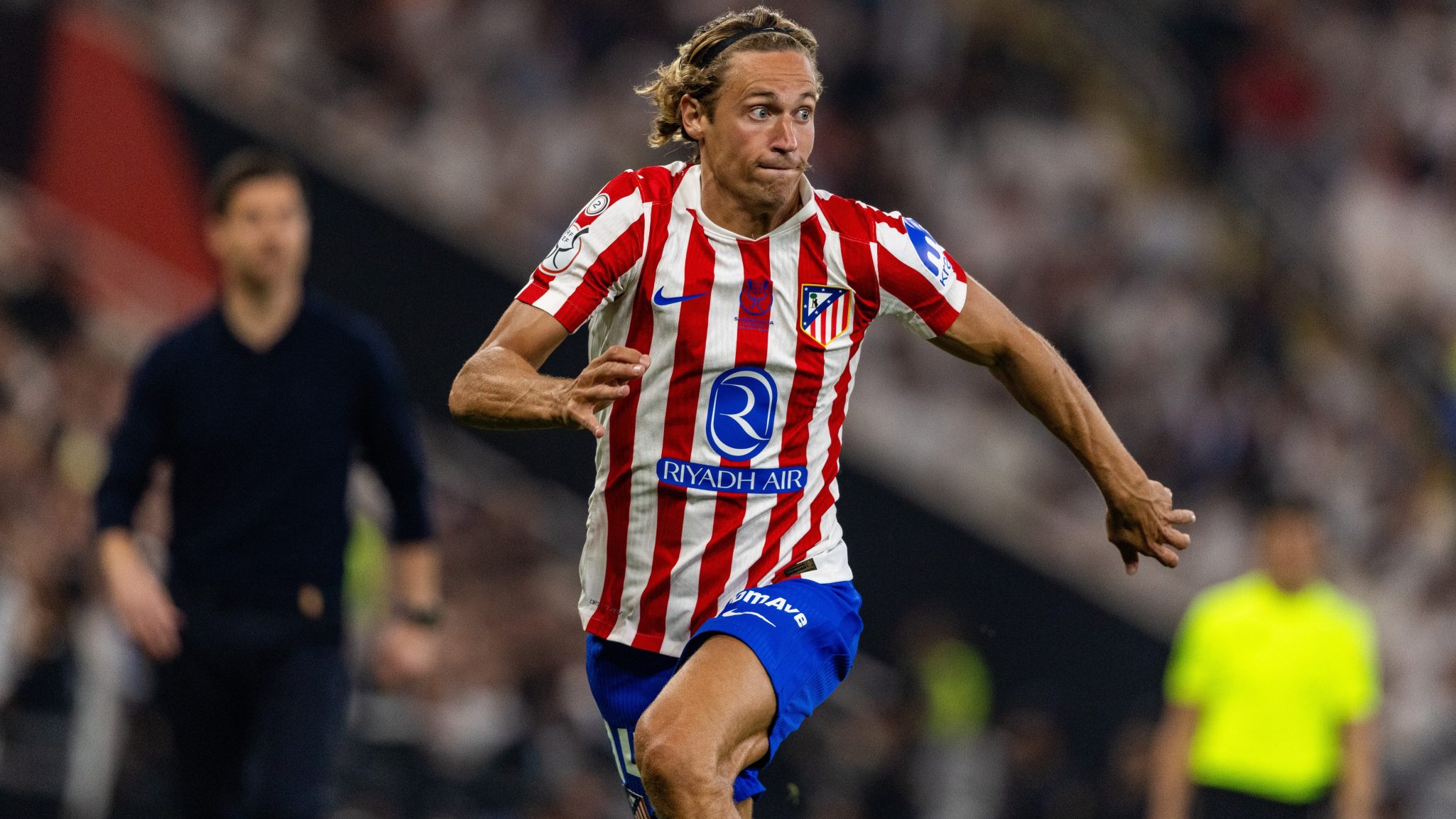
Marcos Llorente’s routine starts before training, before the match sheet, before most of the day has properly begun. His day is built around light. He wakes before sunrise, goes outdoors, drinks coffee with grass-fed butter, and keeps meals inside a narrow daylight window. At night, he moves toward darkness, red lenses, red and infrared light, and sleep tracked through a smart ring. The Atlético Madrid midfielder has turned preparation into a whole domestic architecture, part nutrition plan, part recovery system, part belief structure.
The details are unusual, but the impulse is familiar. Elite footballers already live with constant measurement: GPS loads, body fat, heart rate, minutes, recovery. Llorente’s routine stretches that discipline into the private hours. It also places him in a lineage of players whose habits can sound eccentric until the purpose comes into view.
Erling Haaland is the closest modern comparison. He has described eating heart and liver, choosing local food, exposing his eyes to morning light, and filtering water. His night routine has also included blue-light-blocking glasses and mouth tape, aimed at breathing through the nose and protecting sleep. The pieces can sound scattered, but together they form a clear pattern: food, light, air, rest.
Cristiano Ronaldo represents the older version of the same obsession. His routine has long been built around repeated meals, lean protein, fish, chicken, and sleep discipline. At Euro 2020, he made a public demonstration of how tightly he links performance with what goes into the body, moving sponsor soda bottles away from him and pushing water instead. Ronaldo’s version is less experimental than Llorente’s, but just as total.
Robert Lewandowski sits in a different category. His most repeated diet story is that he eats dessert before the main meal. Lewandowski later explained that the point was less theatrical than it sounded, more about separating sweet food from protein by time than reversing lunch for effect. His wider routine has included cutting cow’s milk after it made him feel sluggish, reducing chocolate, and working closely with Anna Lewandowska, a nutrition and fitness entrepreneur.
When preparation turns personal
Jamie Vardy is the counterweight to the clean-living template. In his Leicester years, his matchday pattern included three Red Bulls, a double espresso, and a cheese-and-ham omelet with baked beans. He also described a glass of port the night before matches as a superstition during the club’s title season. It is not a nutrition model many clubs would hand to an academy player, but it shows the same private logic at work. A player finds a sequence, repeats it, and begins to trust the rhythm.
Adama Traoré’s case was not about diet, but contact. At Wolves, the former La Masia winger’s arms were coated with baby oil before and during matches so defenders would have less to grab, a tactic linked to shoulder problems from being held as he accelerated away. The tactic appears odd on paper, but the reasoning is practical. The body becomes part of the tactical plan.
There are quieter versions, too. Héctor Bellerín has built a lifestyle around veganism, cycling or public transport, and second-hand clothes. Chris Smalling, now with Al-Fayha, has linked a plant-based diet to fewer tendonitis issues and better recovery. For both, food moved beyond calories and protein. It became tied to how they wanted to live away from the pitch.
The game has always had another branch of ritual, less clinical and more superstitious. Argentina goalkeeper Sergio Goycochea said his pre-shootout habit began by necessity at the 1990 World Cup, when he discreetly urinated on the pitch before penalties, then repeated it as a lucky charm. France had its own pre-match ritual in 1998, Laurent Blanc kissing Fabien Barthez’s shaved head before games.
The line between science, preference, and superstition is rarely clean. None of these routines should be treated as a universal template. Llorente’s light rules, Haaland’s sleep routine, Ronaldo’s discipline, Lewandowski’s meal timing, Vardy’s caffeine, Traoré’s baby oil, Bellerín’s veganism, Smalling’s plant-based shift, and Goycochea’s ritual all point to the same pressure. At the highest level, players try to reduce uncertainty wherever they can.
Some do it with lab-like structure. Some do it with habit. Some do it with belief. The strangeness is often the point: it gives a player a private sense of order inside a sport that never gives much back.