Paolo Zampolli’s idea arrived with headline force. The Trump administration envoy has pressed a notion that sounds simple in its most provocative form: take Iran out of the 2026 World Cup and put Italy in.
It is not simple. It is also not, at this point, close to becoming a football plan. The Financial Times first reported that Zampolli, an Italian-born Trump ally serving as U.S. special envoy for global partnerships, suggested the swap to President Donald Trump and FIFA president Gianni Infantino. Zampolli is not part of FIFA’s tournament administration, and he does not speak for the Italian federation.
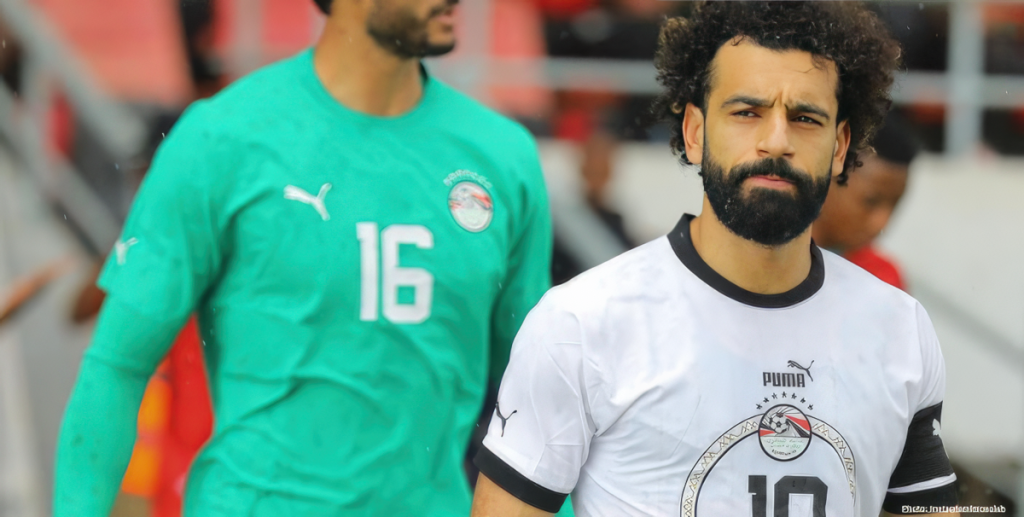
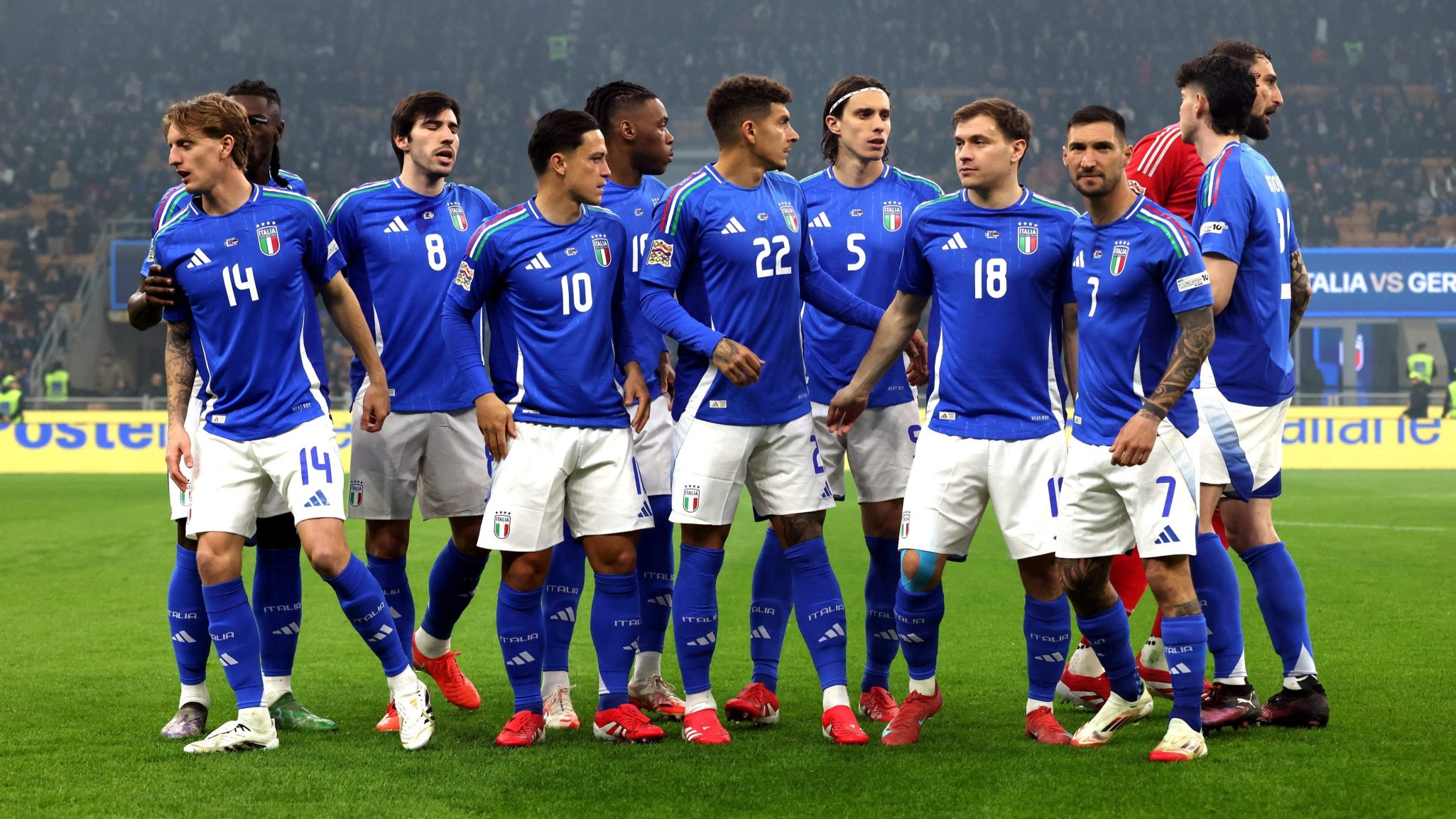
The football record is the starting point. Iran qualified in 2025 and remains scheduled to play New Zealand, Belgium, and Egypt in Group G. Italy is out of the tournament for a third straight time after a playoff final in Zenica, where Bosnia and Herzegovina came from behind, held a 1-1 draw through extra time, and won 4-1 on penalties.
The proposal asks FIFA to step around that record. It also asks Italy to accept a place it did not win. Italian sports minister Andrea Abodi gave the cleanest answer: “You qualify on the pitch.” The line made the football argument plain without needing much else.
FIFA has left little public space for a swap. Infantino said last week, “The Iranian team is coming, for sure.” Iran has not withdrawn. An Iranian government spokesperson said the men’s national team is preparing for “proud and successful participation” at the tournament.
A proposal with little room to move
The regulations do contain a contingency path. If a participating association withdraws or is excluded, FIFA can decide whether to bring in another team. That power is broad, but it is designed for disruption. It is not a separate qualifying lane for a country that already lost in Europe.
Even if Iran’s status changed, the competitive logic would point first toward Asia. Iran earned one of the Asian Football Confederation’s eight guaranteed World Cup places. The United Arab Emirates, cited in reporting as the highest-ranked Asian team that did not qualify, would be the natural candidate. Italy has pedigree, but not a claim on that slot.
The timing only sharpens the problem. Iran had asked FIFA to move its group matches from the United States to Mexico, and FIFA rejected that request. The 2026 World Cup starts June 11 across the United States, Mexico, and Canada, with Iran’s group games scheduled in Inglewood and Seattle. A political request to alter the field adds pressure to an event that still has to be governed by transparent rules.
For Italy’s officials, the answer also protects their own crisis from becoming less coherent. Italy’s latest miss already led to the resignations of its national team coach and federation president. An administrative invitation would not change the result in Zenica. It would add another argument to a failure the federation still has to confront.
Zampolli’s proposal is real. The route behind it is narrow. Unless Iran withdraws, is excluded, or FIFA makes a decision it has so far given no sign of making, the field remains the field. The incident belongs less to tournament planning than to the political tightrope now surrounding a World Cup that is almost here.