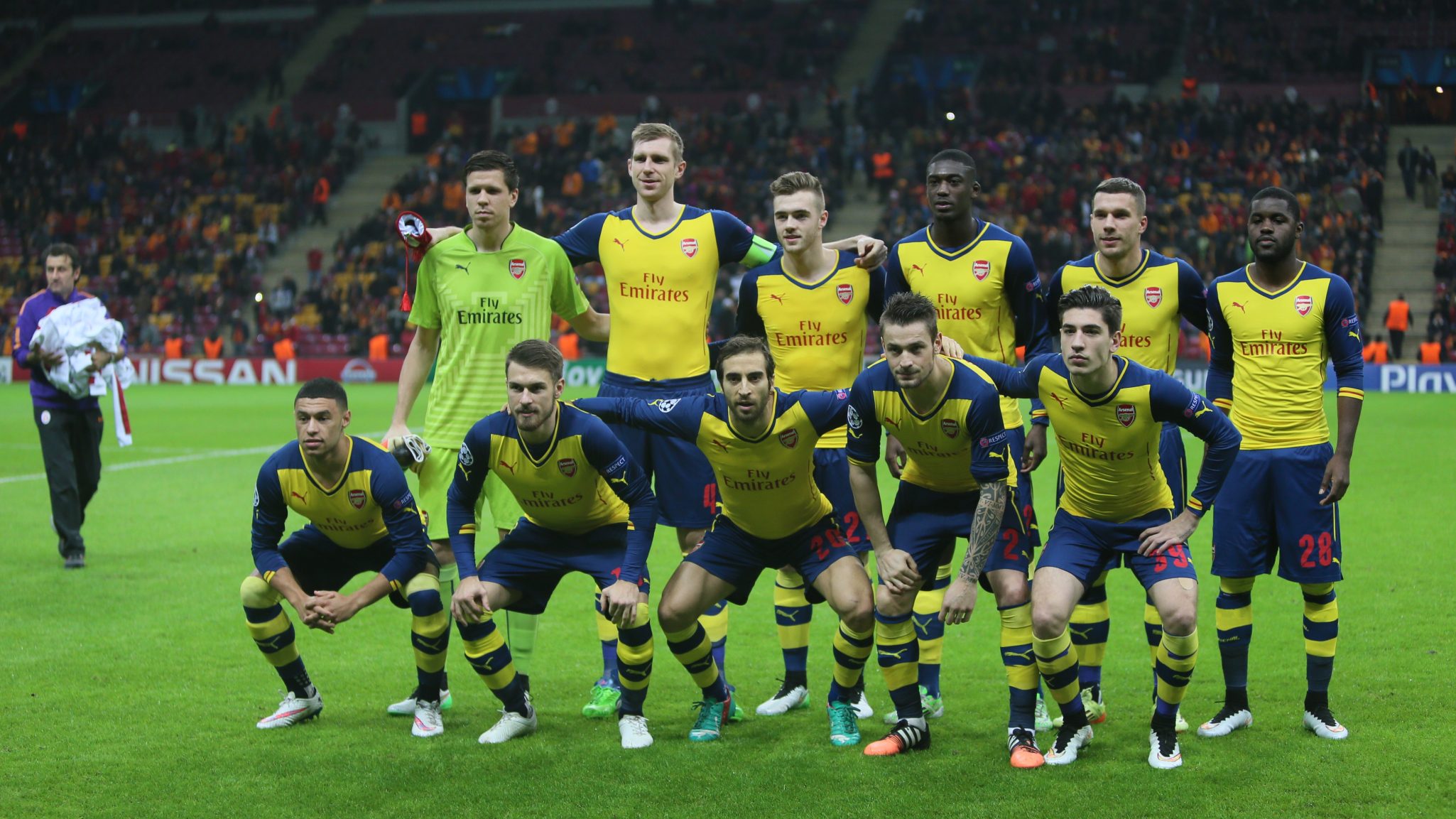
Mathieu Flamini’s playing career was built in places that tend to leave a mark. He emerged at Marseille, established himself during his first spell at Arsenal, spent five years at AC Milan, then returned to Arsenal before closing his career at Getafe. That body of work gave him a recognizable place in European football. It did not hint especially clearly at where he would go next.
In 2013, he co-founded GFBiochemicals, a company focused on plant-based alternatives to petrochemical ingredients used in products such as detergents, paints, cosmetics, and solvents. The business centers on levulinic acid and its derivatives, materials made from biomass and agricultural waste that can be used in place of fossil-based chemicals in parts of everyday manufacturing. GFB says it has spent more than a decade building out the platform, holds 197 active patents, and operates across Europe, Asia, and the United States.
His own explanation makes the pivot sound far less sudden than it appears on paper. In his HBR France interview, Flamini describes the move into green chemistry as something that grew out of a longer set of concerns rather than a late-career impulse. “Most people are surprised when they hear I went from professional football to green chemistry. But to me, it was a natural transition.”
The company’s progress has been measured rather than sudden. In 2022, GFB announced a Series A funding round of €15 million, about $16 million at the time, and Flamini moved into the CEO role. By then, the venture had shifted from an unusual parallel pursuit to the center of his professional life.
Few former players choose a field as exacting as this one. Green chemistry is slow-moving by nature. It asks for years of research, technical validation, regulatory approval, manufacturing partnerships, and customers willing to rework supply chains. In March 2025, Brenntag signed a sole distribution agreement to bring GFB’s levulinate esters into the European CASE market, coatings, adhesives, sealants, and elastomers. Later that year, ICIS named GFBiochemicals the winner of its 2025 Innovation Award for best product innovation from an SME.
Why football still matters in this story
The football background does more than supply context. It helps explain how Flamini thinks about pressure and leadership. In the same HBR France interview, he puts the distinction plainly. “As a player, you’re judged on your own performance. As a business leader, your role changes completely, you become the coach.”
That idea tracks with the shape of his career. When Arsenal announced his return in 2013, the club noted that he had already made 153 appearances in his first spell in North London. His second stay added another stretch of Premier League and cup football before he moved on. Long before business became the dominant frame around his name, he had already assembled a substantial career at the top of the game.
Taken together, the two careers suggest a certain consistency. The habits that kept Flamini in elite football, repetition, restraint, and comfort with long periods of pressure, also suit a company trying to carve out space in a technical, heavily industrial market. He has also left open the possibility of football ownership in the future, saying he would be interested in the right opportunity if the timing, vision, and people aligned. That keeps Arsenal adjacent to the story, even without any sign of an active move for the club.
Football gave Flamini a public identity. The years since have been spent building something far less visible, and much harder to explain in a single line.