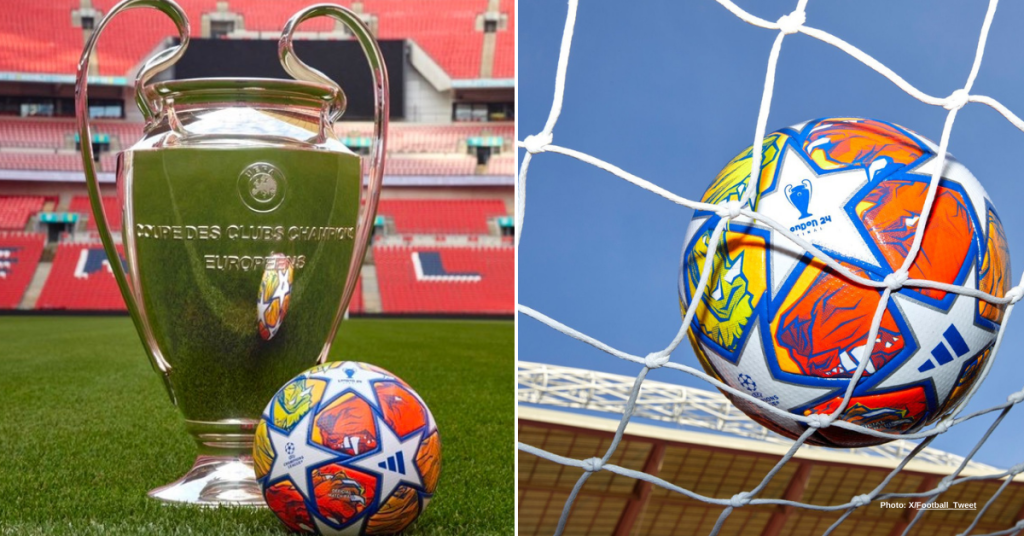
Before kickoff, the anthem, the trophy and the Champions League ball give the competition its theater. After the final whistle, the winners’ list does the lasting work. The European Cup sorts history into clean categories: those who lifted it, and those who reached for it.
PSG no longer belongs in that argument. Their 2025 final win over Inter removed one of Europe’s biggest unresolved cases and narrowed the field. The remaining names are not small clubs. They are institutions with full trophy rooms, modern influence and final losses that still shape how their European stories are told.
This is not a list of the richest clubs without a Champions League. It is a ranking of the best clubs whose history feels incomplete without one. Finals matter. So do league titles, European pedigree, staying power and the sense that the missing trophy is not a footnote but a structural absence.
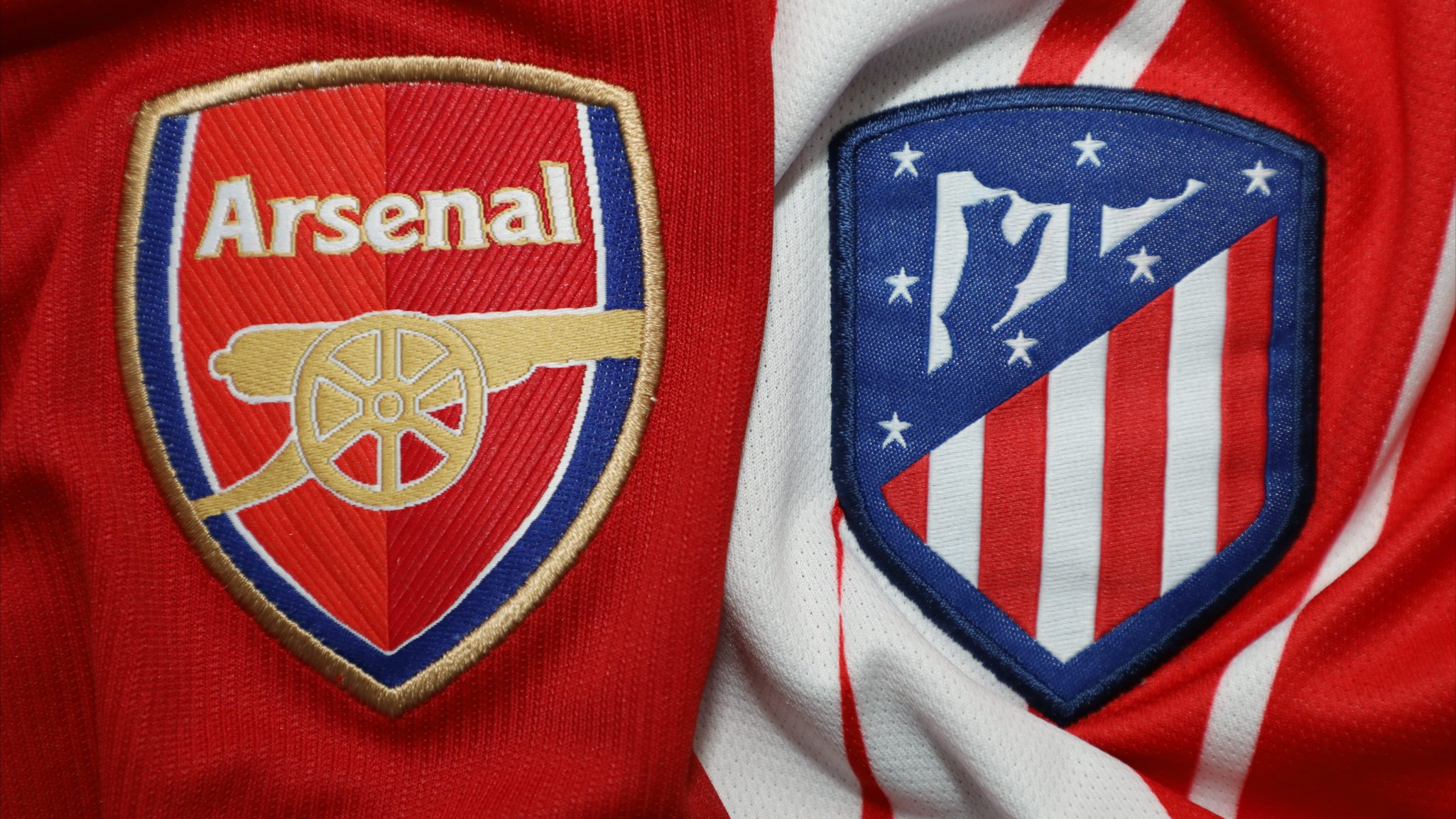
The timing gives the debate an obvious edge. Atlético Madrid and Arsenal have met again at the semifinal stage, two clubs with very different identities and the same empty space. One has endured three European Cup final defeats. The other has spent much of the modern era with the resources, profile and players of a continental power, but not the cup that confirms it.
The missing European Cup still tells the story
Atlético sit first because nobody on this list has been closer more often. The 1974 final went to a replay after Bayern Munich equalized late, and Bayern won 4-0 two days later. In 2014, Atlético were seconds from beating Real Madrid before losing in extra time. In 2016, the same city rival beat them on penalties. Diego Simeone’s Atletico Madrid has changed shape over time, but the club’s European wound is unusually specific: three finals, no trophy, and two of the losses against the neighbor that defines so much of its competitive life.
Arsenal belong next. Their domestic status is not in question, with 13 league titles and a record 14 FA Cups, but the European Cup never bent toward north London. The closest point came in 2006, when they led Barcelona in Paris despite Jens Lehmann’s early red card, then lost 2-1. Arsenal have European trophies, including the 1970 Inter-Cities Fairs Cup and the 1994 Cup Winners’ Cup, but the Champions League remains the trophy that would change the club’s continental vocabulary.
Valencia come third because their argument is easy to forget and hard to dismiss. They reached back-to-back Champions League finals in 2000 and 2001, losing to Real Madrid in Paris and Bayern Munich on penalties in Milan. Under Héctor Cúper and then Rafa Benítez, the club briefly became one of Europe’s most efficient teams, later winning La Liga in 2001-02 and 2003-04, plus the UEFA Cup in 2004. Valencia were not a cameo. They were a serious European power at the start of the century, and the two lost finals remain the hinge in their modern history.
Roma’s case is less about volume and more about the size of the stage they once occupied. The 1984 European Cup final was played at the Stadio Olimpico, and Roma lost to Liverpool on penalties after a 1-1 draw. The club’s honors include three Serie A titles, nine Coppa Italia wins and the 2021-22 Europa Conference League. Still, for a club from Italy’s capital, with decades of elite players passing through, the absence of a European Cup feels larger than the raw trophy count suggests.
Bayer Leverkusen complete the five ahead of clubs with longer lists of historic honors because their best version has become recent again. Leverkusen lost the 2002 Champions League final to Real Madrid, part of a season in which they finished second in the Bundesliga and DFB-Pokal as well. The old Neverkusen label was weakened by the club’s unbeaten 2023-24 Bundesliga title and domestic double, but Europe remains unfinished. UEFA’s club facts still record their Champions League peak as the 2002 final and their UEFA Cup win in 1988. The next step is the one that would change the club’s international standing.
A few omissions are painful. Tottenham have reached a Champions League final and carry real European history. Dynamo Kyiv, Anderlecht, Saint-Étienne, Panathinaikos, Reims and Monaco all have arguments rooted in earlier eras. Sevilla’s Europa League dominance deserves its own category. The five here are chosen because each combines scale, proximity and unfinished business in a way that still feels alive.
The European Cup does not measure greatness cleanly. It measures a club’s ability to survive the particular cruelty of a knockout tournament and turn one final night into a permanent fact. Atlético, Arsenal, Valencia, Roma and Leverkusen have all built enough history to stand near the top of the game. Their missing trophy keeps them just outside the room where Europe’s most decorated clubs write the simplest version of themselves.