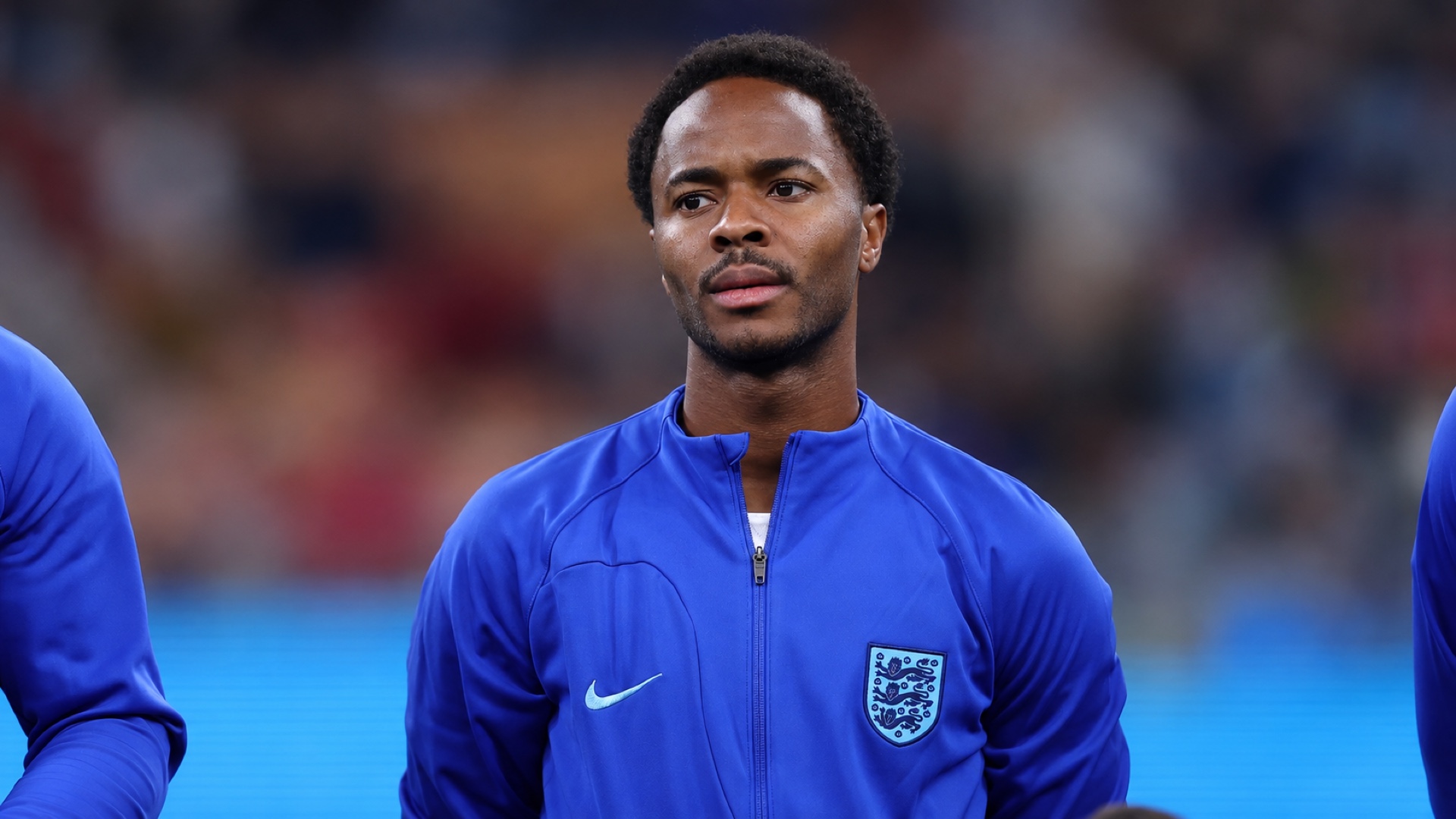
Raheem Sterling’s suspended sentence leaves him with court obligations stretching beyond the next transfer window. The former England winger received a 12-month prison term suspended for 18 months. He must also complete 100 hours of unpaid work and can’t drive for two years. At 31 and without a club, he’s already sought treatment for the addiction described in court.
His seven seasons at Manchester City brought four Premier League titles and 131 goals in all competitions, placing him among Manchester City’s leading scorers. He also made 82 appearances for England.
At Basingstoke Magistrates’ Court on November 25, Sterling was sentenced after pleading guilty in September to dangerous driving, failing to provide a blood specimen and possessing nitrous oxide for wrongful inhalation. The offenses followed a May 28 journey on the M25 and M3, during which he inhaled from balloons, moved unpredictably between lanes and forced other drivers to react. He eventually crashed after leaving the highway. No injuries were reported.
District Judge Kirsty Allman rejected the argument that his addiction had removed his ability to choose whether to drive. She described a “conscious disregard for the safety of other road users.” Her sentencing remarks describe drivers braking heavily, a truck forced to slow and witnesses calling the police as the danger continued.
Sterling’s suspended sentence means he wasn’t sent immediately to prison. Allman said the law required suspension of this sentence because none of the statutory exceptions applied. Breaching the order or committing another offense during the 18-month period could bring him back before a court and activate the sentence. His driving ban also requires an extended retest before he can regain his license.
Sterling’s suspended sentence and the work ahead
Sterling had already sought help before sentencing. The court heard that he contacted addiction services in June and entered residential treatment the following day, staying for 12 days. Allman credited his voluntary engagement and the progress described in the evidence. The judge also recognized his remorse, previous good character and charitable work.
That work includes the Raheem Sterling Foundation and the RS7 Academy, which support young people through education and football. In 2021, Sterling shared a photograph of himself as a child holding a trophy, captioned “Never forget where it started.”
Chelsea announced Sterling’s departure by mutual agreement in January. He joined Feyenoord in February on a contract through the end of the 2025/26 season. That spell has ended, leaving his playing future unresolved.
A new contract would settle the question of where Sterling plays, but it wouldn’t establish how he’s doing away from the field. Wayne Rooney’s account of alcohol and mental health describes how he kept performing while struggling privately. Goals and appearances gave him a way to reassure himself even when he needed help.
Probation assessed that he’d addressed the main risks and didn’t need further rehabilitation through its service. His therapist still considered ongoing treatment beneficial. Completing the court order won’t, by itself, settle what support Sterling needs.
Get more Stadio United on Google.