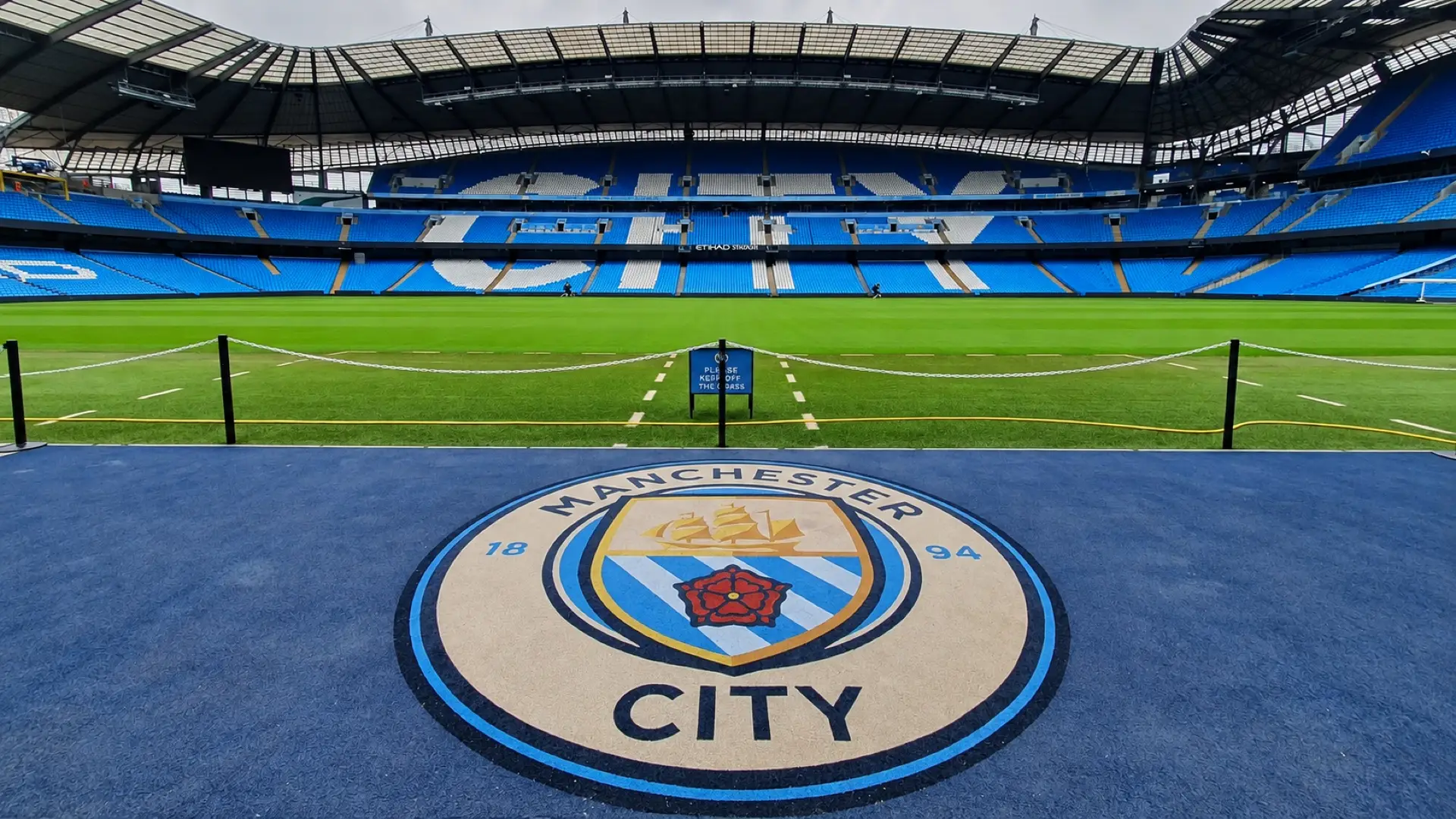
Manchester City faces possible sporting punishment after reportedly being found guilty on almost all of the Premier League’s financial charges. The Athletic’s David Ornstein reports that the commission upheld all but one of 115 charges. It has yet to decide sanctions, and City will likely appeal. The club continues to dispute the allegations and says significant elements of the proceedings remain ongoing.
The uncertainty extends from past league titles to players such as Erling Haaland, whose contract runs until 2034. City has already rejected claims about a Madrid move. A serious punishment could change the circumstances around his future, but understanding the case starts with how the club reported its finances.
Why Manchester City’s financial reporting matters
Owners can invest in their clubs and help finance transfers and wages. That investment isn’t the same as revenue earned from tickets, broadcasting or sponsorship. Historical UEFA rules permitted owner-backed losses within limits, rather than allowing unlimited spending. Sponsorship involving an owner-connected company wasn’t automatically improper, either, although regulators could adjust its recognized value to reflect market prices.
At City, the suspicions came from specific documents. A 2010 email examined in Reuters’ 2018 investigation described sponsor Aabar covering one-fifth of an annual payment, with the remainder coming from sources provided by “His Highness.” Other emails discussed funding through Etihad and Etisalat. Reuters couldn’t verify whether certain payments took place, and the documents didn’t establish Sheikh Mansour’s personal knowledge or an intention to deceive regulators.
The concern was that City might have presented owner support as commercial earnings, making losses appear smaller. The Premier League separately alleged failures to disclose full manager and player compensation. Reporting more income or leaving out costs could make a club appear financially compliant when its underlying business wasn’t. The accusation wasn’t simply that wealthy owners supplied money, but that City’s disclosures didn’t accurately describe its income, costs and financial relationships.
How punishment could affect City’s past and future
The league’s disciplinary framework includes fines, points deductions, suspension from matches and a recommendation for expulsion. A points deduction could damage a title challenge, threaten European qualification or lead to relegation. Its effect would depend on its size and timing, not simply the number of charges upheld.
Retrospective deductions could put past league titles in dispute, a possibility raised in the verdict report. But that doesn’t mean the league will remove trophies or automatically hand them to runners-up. Nor does the report announce a five-season transfer ban or a restart in League Two. Those claims go beyond the reported finding.
Manchester City case timeline
| Date | What happened |
|---|---|
| November 2018 | Reporting based on leaked internal documents brings renewed scrutiny of City’s finances. |
| February 2020 | UEFA imposes a two-season European competition ban following its financial investigation. |
| July 2020 | The Court of Arbitration for Sport overturns the ban. A noncooperation sanction remains. |
| February 6, 2023 | The Premier League refers its allegations to an independent commission. |
| September–December 2024 | The private hearing runs from September 16 to December 6. |
| January 17, 2025 | Haaland signs a contract running until summer 2034. |
| May 22, 2026 | Guardiola announces he’ll leave after the season, citing the need for a break. |
| September 25, 2026 | Ornstein reports that almost all charges were upheld, with punishment unresolved and an appeal expected. |
City’s successful UEFA appeal didn’t settle the Premier League investigation. The proceedings involved different regulators and rules. CAS overturned UEFA’s ban because financial allegations weren’t established or fell outside its time limit, while upholding a noncooperation finding. That outcome wasn’t a dismissal of the separate league case.
Guardiola’s promises and departure
Guardiola knew about the allegations and publicly described asking City’s leadership for explanations. In May 2022, he said he believed their answers, adding: “if you lie to me, the day after I am not here.” His remarks establish conversations with club officials, not advance knowledge of the commission’s conclusions.
In November 2024, after extending his contract, he also pledged to stay even if City were relegated. When he announced his departure in May 2026, however, he explained that he needed rest and the club needed renewed energy. He retained an ambassadorial role with City Football Group.
The sequence alone doesn’t establish that Guardiola left because he knew an adverse finding was coming, or that the Premier League waited for him to depart. The league brought the charges; an independent commission heard them. Its findings and Guardiola’s departure require more than overlapping dates to establish a connection.
Some financial-reporting allegations overlap his tenure, but the manager-pay allegations cover 2009/10 through 2012/13, before his arrival in 2016. Those compensation allegations don’t concern Guardiola’s salary.
What Manchester City’s uncertainty means for Haaland
For Haaland, relegation following a points deduction wouldn’t automatically cancel his contract. Any departure would depend on its terms, a negotiated agreement or a valid legal basis for termination. City’s public announcement of his deal through 2034 doesn’t disclose a relegation-specific escape clause.
A severe sporting sanction could nevertheless create pressure for squad changes. Losing top-flight football could alter players’ ambitions and the club’s willingness to maintain an expensive team. Sales or loans would be possible responses, not automatic consequences or evidence that Haaland has decided to leave.
Meanwhile, Real Madrid and Barcelona remain hypothetical destinations. Either would need a workable deal, Haaland’s agreement and a route to register him. Barcelona would also have to consider how another major forward fits after adding Gabriel Jesus to its attack. Those are squad-planning questions, not evidence of negotiations prompted by City’s case.
A punishment could reshape City’s team without deciding where any individual player goes.
And now for some memes
While the serious questions remain unresolved, the internet has already delivered its reaction. However, the jokes below are not announced sanctions; Polymarket’s figure is a snapshot of market sentiment.
Get more Stadio United on Google.