How to follow Egypt at the 2026 World Cup
Egypt come to the 2026 World Cup with a record that looks different depending on which competition you consider. In Africa, they are the most decorated national team, holding the record for Africa Cup of Nations wins, and are widely known as the Pharaohs, a nickname that reflects the country’s ancient history.
Egypt’s World Cup history is more limited. They played in 1934, 1990, and 2018, but have never made it past the first round. This gap between their success in Africa and their results on the world stage is what makes 2026 stand out. After missing 2022, this is another chance to change their story in tournament previews.
They earned the trip the straightforward way: by being consistently better than everyone else in their qualification group. Egypt finished first in CAF qualifying Group A, undefeated across ten matches, with eight wins and two draws. They scored 20 and conceded only twice in that run, a set of numbers that reads like control rather than chaos.
The draw placed Egypt in a group that makes planning easier than usual. They are in Group G with Belgium, Iran, and New Zealand, and all three group matches are in the Pacific Northwest, split between Seattle and Vancouver.
Egypt play Belgium first on June 15 at Seattle Stadium, then face New Zealand on June 21 at BC Place in Vancouver, and finish the group against Iran on June 26 in Seattle. If you want to follow them in person, you won’t need to travel far. The schedule is already compact.
A practical guide to the matches, cities, and the team itself
Start with the boring part first, because it’s what makes everything else easier: set your viewing plan early, then build your week around it. In the United States, Fox and Telemundo have been FIFA’s listed broadcast partners for major 2026 events, and FIFA has also pointed viewers toward FIFA digital platforms for official streams of key tournament programming.
In Canada, Bell Media holds the FIFA World Cup rights through 2026, with coverage on CTV, TSN, and RDS. This is important for Egypt’s group since Vancouver is one of their stops, and the Canadian broadcast setup affects which matches are easiest to watch on TV or online, depending on your location and package.
If you’re in the host cities, the official “watch without a ticket” areas are a key part of the tournament. In Seattle, the organizing committee and mayor have named Seattle Center as the main spot for the Seattle Fan Celebration, which will be the main public gathering place on matchdays. This is separate from the ticketed games at Lumen Field and is where the city’s public World Cup events will happen.
Vancouver has also announced its plans. Hastings Park, also called the PNE, will host the FIFA Fan Festival from June 11 to July 19, 2026. If you’re following Egypt and are in British Columbia for the New Zealand match, the fan festival is a great place to spend time, even if your ticket is for BC Place.
The geography between Seattle and Vancouver is what turns Egypt’s group into something close to a mini-tour. The driving distance is roughly 140 miles, and the route is straightforward, but the border is a variable you should treat like weather. Plan early, pad time, and build your matchday around the assumption that the simplest part of the drive might not be the slowest part of the day.
Once you know where to go, it’s easy to keep up with Egypt’s news. The Egyptian Football Association shares updates on its official X account, and the national team has an official Instagram. The federation also runs a YouTube channel called EFA TV, where you can find training clips, camp footage, and interviews.
For tournament updates, FIFA recommends its FIFA World Cup 26 app for fixtures, alerts, and news. FIFA+ is the main platform for videos and tournament programming. If you want to keep up with roster changes, lineups, or official news, app notifications are more reliable than checking social media.
The other piece to watch in 2026 is platform distribution. FIFA has also announced TikTok as a preferred platform for official tournament video content, including expanded creator access and a dedicated in-app hub. That doesn’t replace broadcasts, but it can change where highlights, press conference clips, and behind-the-scenes material surface first.
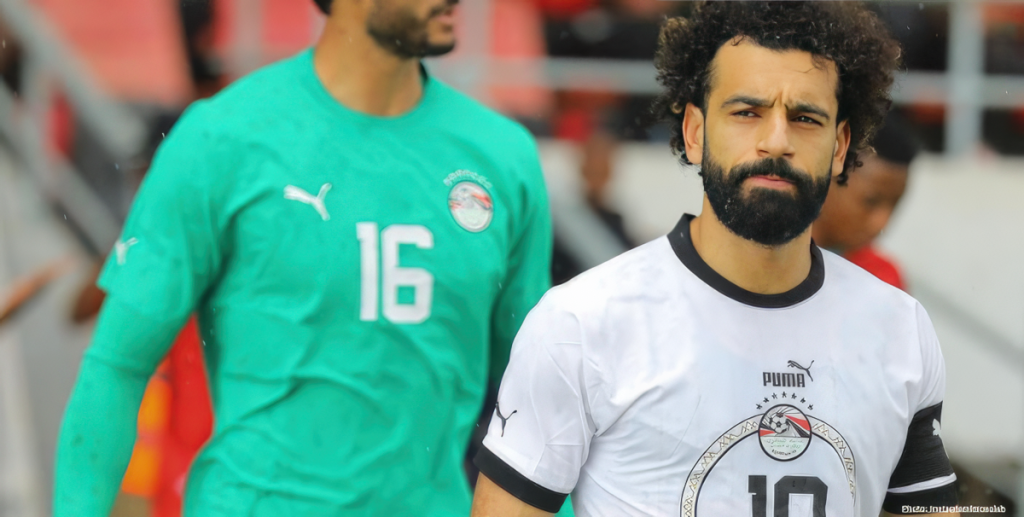
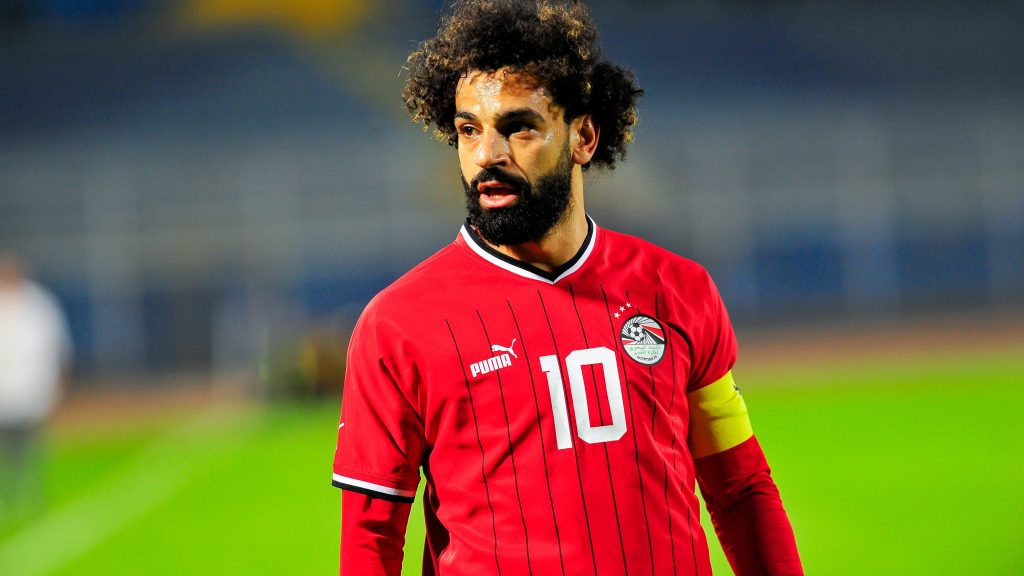
Egypt’s squad will feel familiar, even if you don’t follow the Egyptian league regularly. The team still relies on players from the domestic Premier League, along with a few well-known international stars. Mohamed Salah is still the main figure. Fox’s tournament preview called him the team’s leader and most influential player, and it’s hard to talk about Egypt without making him the focus both tactically and culturally.
Alongside Salah, Egypt’s 2026 team has a stronger supporting cast than in some past years. Omar Marmoush brings top European experience and, according to Fox, has joined Manchester City this season. Ahmed Hegazi adds veteran stability in defense. These players matter not just for their names, but because they show Egypt’s balance: enough attack to take advantage of mistakes, and enough experience to avoid the group-stage problems of the past.
The manager is part of the story too. Hossam Hassan took charge after a playing career in which he became Egypt’s all-time leading scorer, and Fox notes that the same figure now coaches the team. It’s an unusually direct line between legacy and the present tense, and it shapes how the team is discussed inside Egypt’s football culture even when you keep the focus strictly on what’s verifiable: his résumé is not abstract to this job, it’s the foundation of why he has it.
If you want to see how Hassan sets up Egypt in big games, look at AFCON. In January 2026, Egypt’s quarterfinal win over Ivory Coast was described as a match built around a narrow formation, with Emam Ashour behind a front two of Salah and Marmoush. Tactics can change by opponent and tournament, but the main lesson is simple: Egypt don’t have to play just one way, and their best setup keeps Salah close to goal without leaving him alone.
Matchday visuals are easy to spot but hard to describe without using stereotypes. The best way is to stick to the facts. Egypt’s identity is shown through the Pharaohs nickname, and the national flag colors are usually seen around the team in stadiums.
To understand Egyptian supporter culture, it helps to know its roots. Modern Egyptian football has been shaped by big club rivalries in Cairo, and organized ultras groups like Ultras Ahlawy and Ultras White Knights started in 2007 with clubs such as Al Ahly and Zamalek. This history explains why “organized support” means something special in Egypt, even if World Cup crowds in Seattle and Vancouver will likely be a mix of diaspora, travelers, and neutrals instead of one unified group.
Rivalries, finally, are where Egypt’s story can get overcomplicated if you treat every big match as equal. The most loaded rivalry in their recent history is Algeria, a relationship that escalated around the 2010 World Cup qualifying battle and a playoff in Sudan that Algeria won 1–0, followed by diplomatic fallout covered at the time by Reuters. It’s a rivalry rooted in consequence, not just proximity.
Senegal has become the more relevant modern measuring stick. Reuters’ AFCON reporting this month framed Egypt’s upcoming meeting with Senegal as a rematch of their AFCON final and referenced the pair’s World Cup qualifying history as well. That matters as context for 2026 because it shows where Egypt’s recent tournament scars and reference points sit. It’s less about mythology and more about a real sequence of competitive outcomes against a peer.
Within Group G, the rivals are straightforward. Belgium have the experience to take advantage of mistakes. Iran are usually well-organized and hard to break down. New Zealand can make a match a test of patience and execution. There’s no need to add extra drama to these games. Just see what each team demands from Egypt, and watch how Egypt responds.
Following Egypt well at this World Cup is ultimately about lowering the friction. Build your schedule around three dates, two cities, and one corridor. Use official channels for official information, and let everything else be background. Then, once the ball starts moving, keep your eyes on the handful of names that actually decide Egypt’s games: Salah’s role, Marmoush’s running, Hegazi’s organization, and the manager’s willingness to adjust when the group tightens.